


For more than two decades, the internet has been built around one simple habit: typing keywords into a search bar. From finding restaurants to researching major global events, traditional search engines relied on keywords to deliver results.
But in 2026, that model is rapidly changing. The rise of powerful AI assistants is transforming how people access information, moving from keyword-based searches to full conversations with intelligent systems.
Tools like OpenAI’s AI platforms and Google’s evolving search technology are leading a shift toward conversational interfaces where users ask questions naturally rather than typing short phrases.
From Keywords to Conversations
Traditional search required users to simplify their questions into keywords like “best smartphone 2026” or “weather tomorrow.” This method helped search algorithms understand intent, but it was often inefficient.
Now, AI assistants allow users to ask complex questions such as:
- “Which smartphone has the best camera under $600?”
- “Explain how AI is changing search engines.”
- “Plan a three-day trip to Paris.”
Instead of displaying a list of links, modern AI systems generate structured answers by analyzing vast amounts of information.
Experts featured by MIT Technology research note that this shift represents one of the most significant changes in digital information access since the early days of the web.

Why AI Search Is Growing So Fast
Several technological breakthroughs are accelerating the move toward AI-powered search:
- Advances in large language models
- Improved voice recognition technology
- Integration of AI assistants into smartphones and browsers
- Growing user preference for faster, summarized answers
Major tech companies are investing heavily in these capabilities. Platforms like Microsoft AI initiatives and Google DeepMind are developing systems designed to provide more contextual and personalized responses.
What This Means for SEO and Websites
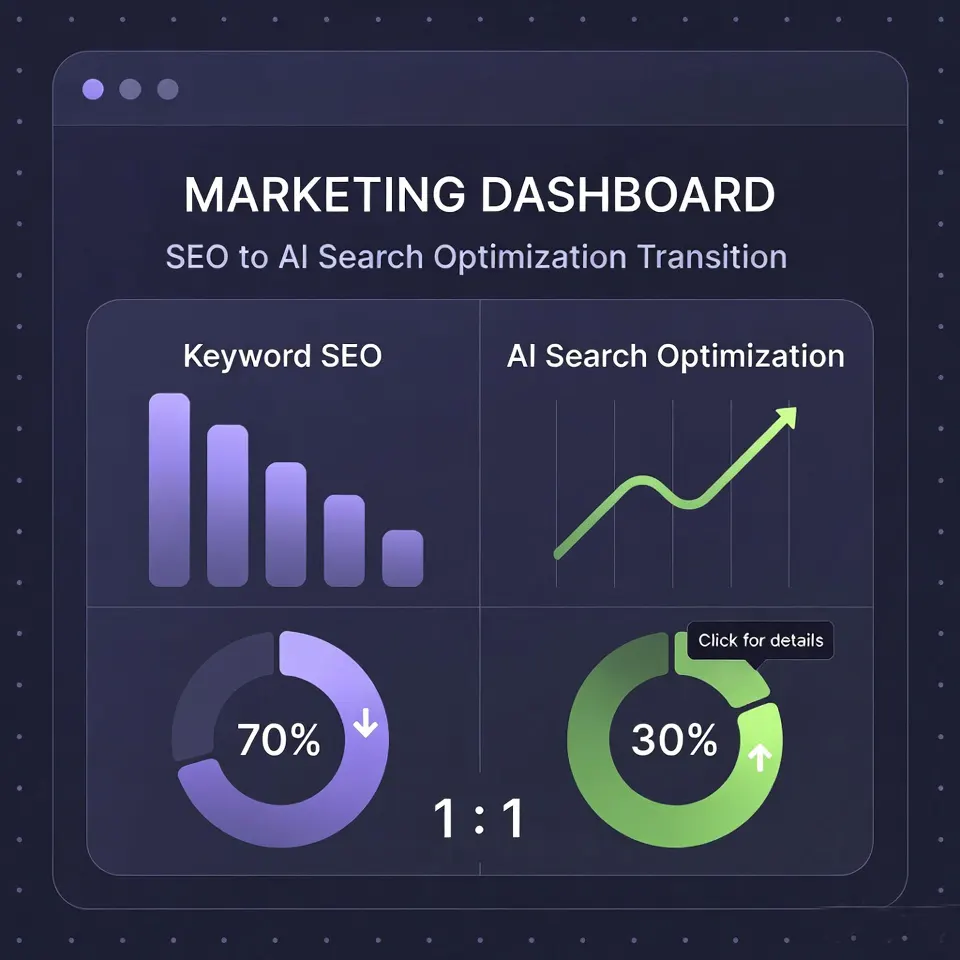
The rise of AI search is forcing businesses and publishers to rethink their digital strategies. Traditional search engine optimization (SEO) focused heavily on ranking pages for specific keywords.
However, AI assistants prioritize context, expertise, and high-quality content rather than simple keyword density.
According to analysts at Search Engine Land, future SEO strategies will emphasize:
- Clear and authoritative information
- Structured data and knowledge graphs
- Conversational content formats
- Expert-level insights
The Rise of Answer Engines
Some experts are calling this transformation the rise of “answer engines.” Instead of directing users to websites, AI assistants may provide direct responses compiled from multiple sources.
While this can improve user experience, it also raises important questions about traffic, attribution, and the future business model of the open web.
Will Keywords Really Disappear?
Despite dramatic changes, most analysts believe keywords will not completely disappear. Instead, they will evolve into broader intent signals that help AI systems understand user needs.
Rather than optimizing for a single phrase, publishers will optimize for entire topics and knowledge areas.
This approach aligns with Google’s ongoing mission described in Google Search updates, which emphasize helpful content and user intent.
The Future of Search
The next generation of search will likely combine several technologies:
- AI conversational assistants
- Voice interfaces
- Personalized recommendation systems
- Real-time data analysis
For users, this means faster answers and more intuitive experiences. For businesses and publishers, it means adapting to a world where content must serve both human readers and intelligent AI systems.
The shift from keywords to AI-driven conversations represents a fundamental transformation in how people interact with information online.
While traditional search methods are unlikely to disappear overnight, AI assistants are already reshaping the digital landscape. The organizations that adapt early will be best positioned to succeed in the new era of search.
#AISearch #FutureOfSEO #AIAssistants #SearchTechnology #DigitalMarketing #TechTrends #AI2026