

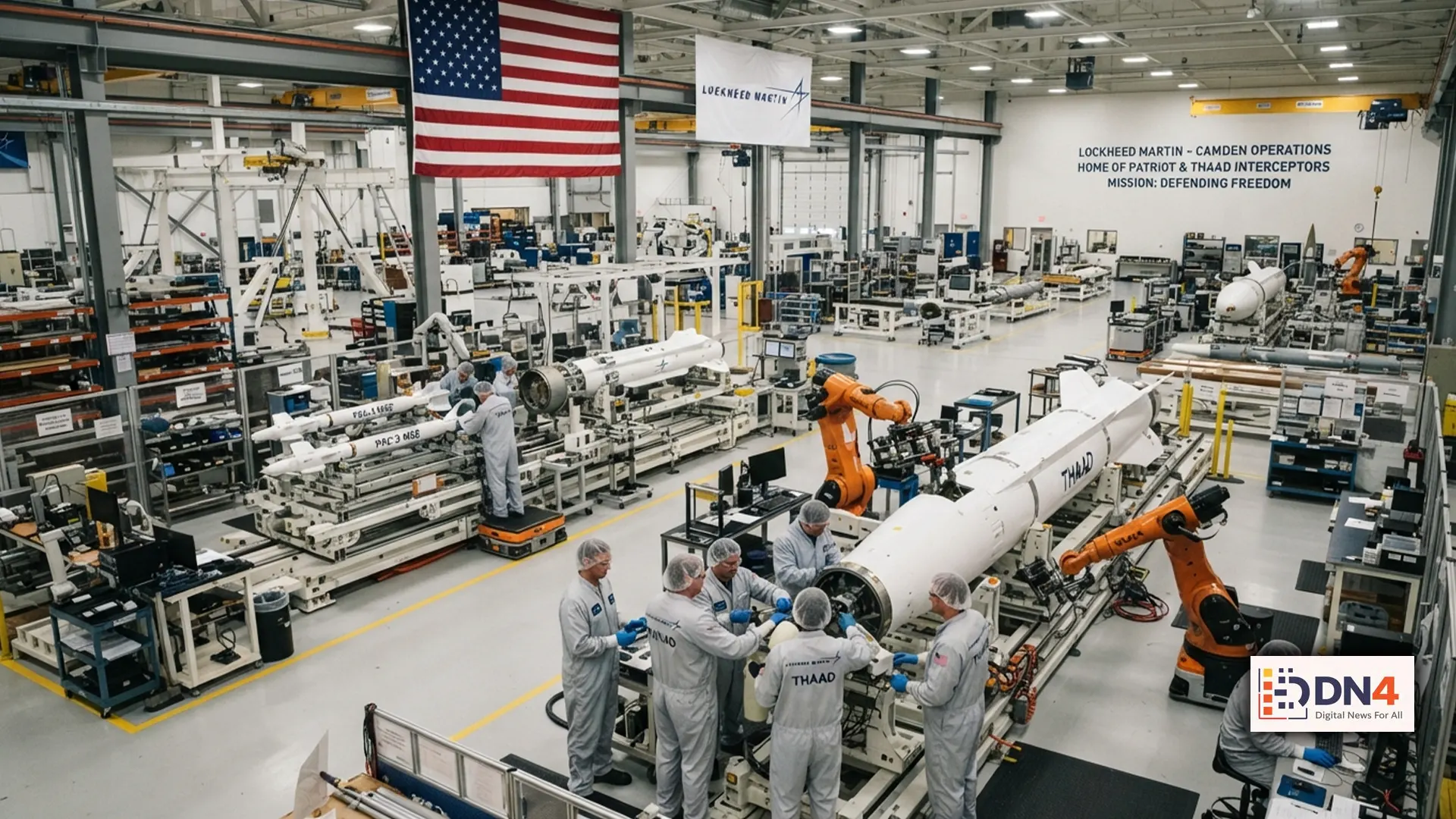
Global security challenges are driving renewed investment in missile defense, prompting the U.S. Department of Defense to expand production of two of its most advanced air and missile defense systems: the Patriot missile system and the Terminal High Altitude Area Defense (THAAD) system. The manufacturing increase reflects growing demand from both the U.S. military and allied nations seeking stronger protection against evolving missile threats.
Why Production Is Increasing
Recent geopolitical tensions, expanding missile capabilities among potential adversaries, and higher demand from allied countries have increased pressure on defense manufacturers to accelerate production. Defense planners are also working to replenish inventories following overseas military assistance and maintain readiness for future contingencies.
The U.S. Department of Defense and the Missile Defense Agency (MDA) continue investing in layered missile defense capabilities to address a wide range of airborne threats.
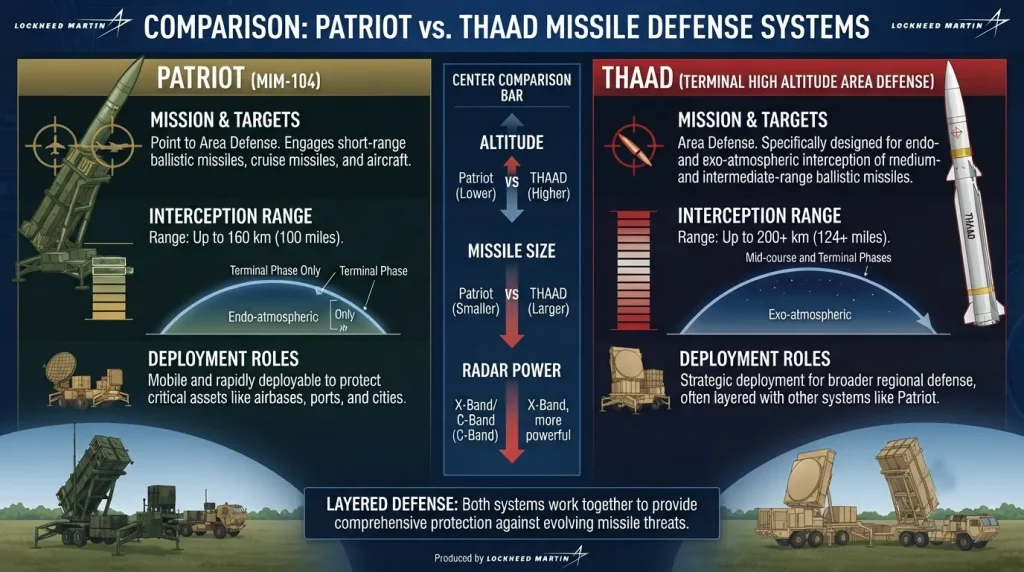
Patriot vs. THAAD: Different Missions
Although both systems are designed to intercept incoming missiles, they serve different operational roles.
- Patriot: Primarily intercepts aircraft, cruise missiles, and short-range ballistic missiles at lower altitudes.
- THAAD: Intercepts ballistic missiles during their terminal phase at much higher altitudes, providing an additional defensive layer.
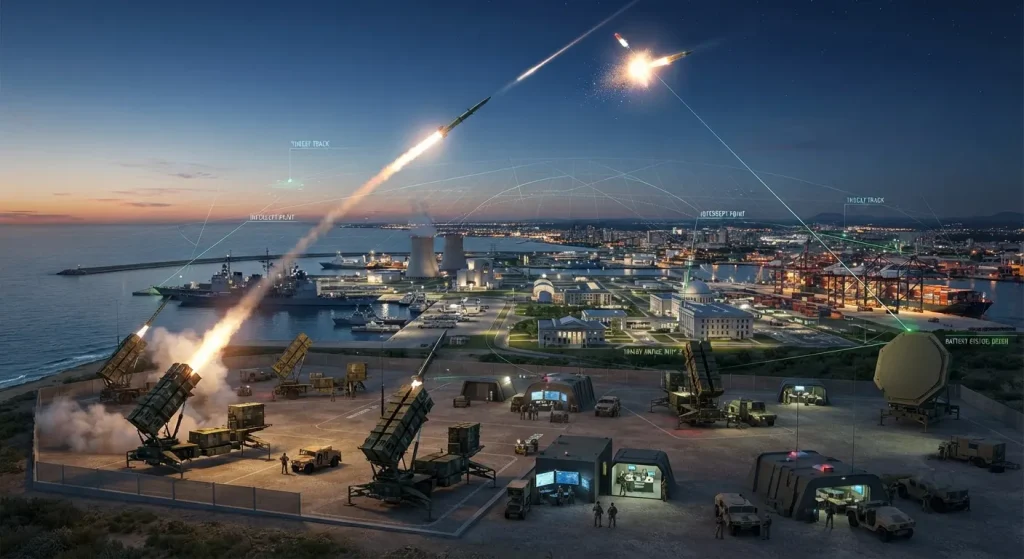
Together, they form part of a multi-layered missile defense strategy intended to improve protection for military forces, critical infrastructure, and allied territories.
Economic Impact on the Defense Industry
Higher defense spending is generating increased manufacturing activity across aerospace and defense companies. Expanded production often supports skilled jobs in engineering, precision manufacturing, supply chain logistics, electronics, and advanced materials.
Major defense contractors including Lockheed Martin and RTX (Raytheon) play significant roles in developing and producing missile defense technologies under contracts with the U.S. government.
Strategic Challenges Ahead
Expanding production is not without obstacles. Manufacturers continue to face supply chain constraints, workforce shortages in specialized industries, and the need to scale production while maintaining strict quality and safety standards. Governments are also balancing defense investments with broader fiscal priorities.
Defense analysts note that sustained production depends on long-term procurement plans, congressional funding, and continued cooperation with allied partners.
As missile technology continues to evolve, investment in advanced defense systems is expected to remain a priority for many nations. Increasing Patriot and THAAD production reflects a broader effort to strengthen deterrence, improve military readiness, and enhance collective defense capabilities in an increasingly complex global security environment.
Readers can learn more through official resources from the U.S. Department of Defense, the Missile Defense Agency, Lockheed Martin, RTX, the U.S. Government Accountability Office, and the Congressional Research Service.
#Pentagon #PatriotMissile #THAAD #MissileDefense #DefenseIndustry #MilitaryTechnology #NationalSecurity #DefenseNews #Aerospace