

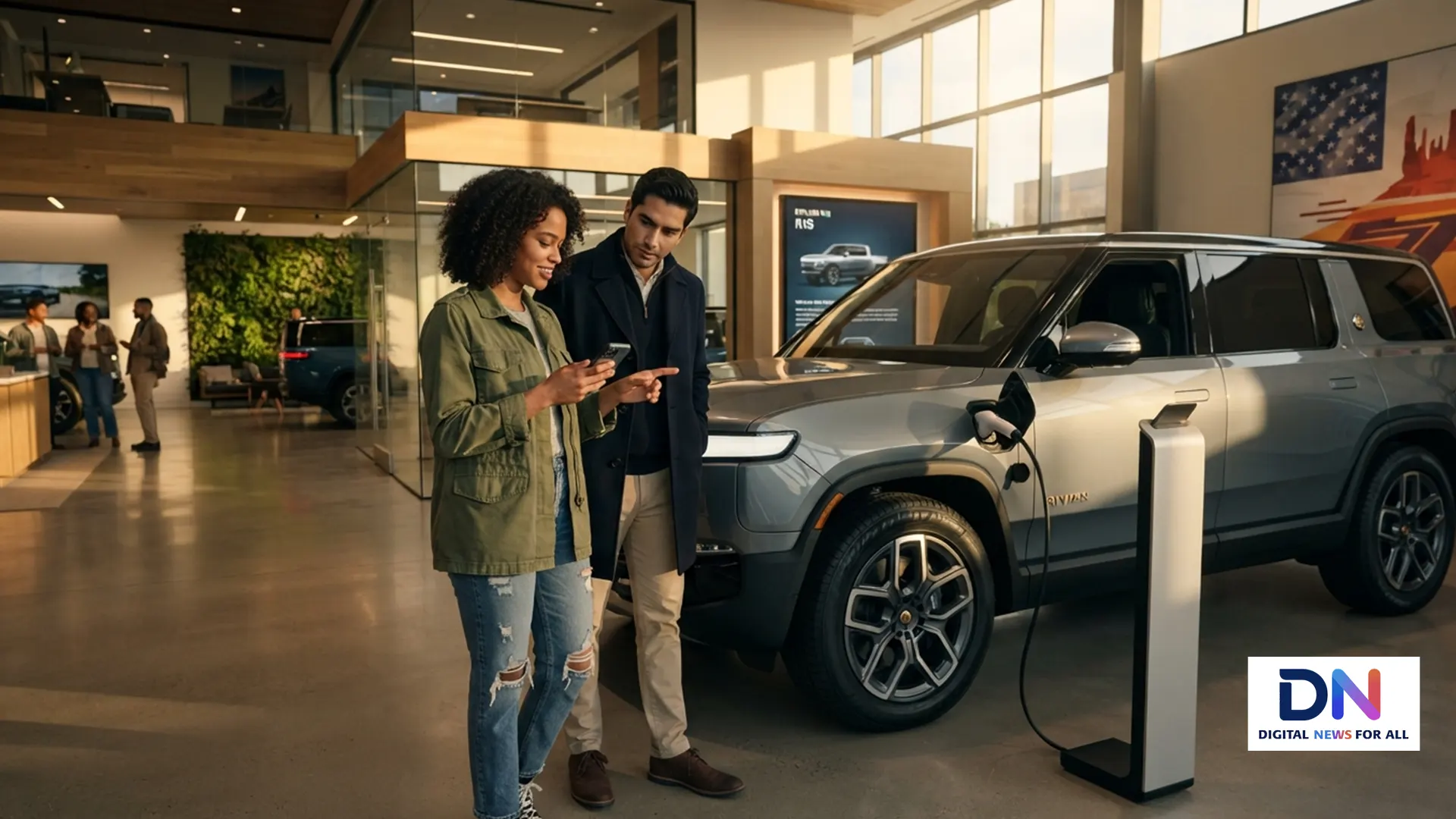
The U.S. auto market is entering a new phase in 2026. Younger buyers are changing how people research, finance, lease, and choose vehicles.
Gen-Z and Millennials now expect more flexibility and digital convenience. They also pay close attention to affordability, technology, fuel costs, and long-term ownership expenses.
Affordability Comes First
Price remains one of the biggest barriers for younger shoppers. New vehicles remain expensive, while financing costs can increase monthly payments.
Kelley Blue Book reported an average new-vehicle transaction price of $49,758 in June 2026. Buyers have also moved toward more affordable vehicle segments.
That pressure makes compact SUVs, used cars, hybrids, and lower-cost models more attractive.
Leasing Offers More Flexibility
Younger consumers show greater interest in leasing than older buyers. TransUnion found that 17% of Gen-Z and Millennials interested in a vehicle transaction preferred leasing, compared with 7% of Baby Boomers.
Leasing can reduce upfront costs and provide a shorter ownership commitment. That flexibility fits buyers who want to change vehicles more often.
EV Interest Remains Strong
Gen-Z and Millennials also show stronger interest in electric vehicles. A 2026 YouGov automotive study found that 65% of younger respondents viewed electric cars as the future of the industry. The figure reached 45% among older generations.
However, interest does not always lead to an immediate purchase. Charging access, vehicle prices, and changing incentives can affect the final decision.

Technology Must Make Life Easier
Younger drivers grew up with smartphones and connected services. They expect similar convenience from their vehicles.
They value navigation, smartphone integration, charging tools, driver assistance, and useful digital features.
Yet more technology does not always mean a better experience. J.D. Power’s 2026 research shows that drivers prefer technology that works simply and quietly.
Digital Research Is Changing Car Shopping
Young shoppers often research vehicles before visiting a dealership. They compare prices, reviews, financing options, specifications, and ownership costs online.
This shift forces automakers and dealers to improve their digital experience. Clear pricing and easy online research can influence where shoppers begin their journey.
Used Cars Remain Important
Used vehicles offer another path around high new-car prices. Younger shoppers can find more affordable options by comparing older models and certified pre-owned vehicles.
Affordability pressures continue to support demand for lower-priced vehicles across the market. Cox Automotive expects used-vehicle retail sales to decline slightly in 2026, while affordability remains an important factor.

Fuel Efficiency Matters More
Fuel costs can quickly change a vehicle’s ownership cost. Younger buyers increasingly consider efficiency when comparing vehicles.
Cox Automotive’s 2026 consumer research found that rising fuel costs influence vehicle decisions. Some shoppers consider more efficient vehicles, while others delay purchases.
What Automakers Need to Understand
Gen-Z and Millennials want vehicles that fit real life. They want practical technology, manageable payments, efficient powertrains, and flexible ownership choices.
They also expect brands to communicate clearly online. Traditional advertising alone may not win their attention.
The Auto Market’s Next Generation
Gen-Z and Millennials are not abandoning cars. Instead, they are redefining what car ownership should look like.
Their choices favor flexibility, affordability, connectivity, and efficiency. Automakers that respond to those priorities can build stronger relationships with younger customers.
As the 2026 auto market evolves, these buyers will have an increasingly important influence on the industry’s next generation of vehicles and services.