


Retatrutide weight loss is becoming one of the biggest talking points in obesity medicine. Developed by Eli Lilly, this experimental medication targets three hormone receptors instead of the one or two targeted by earlier popular treatments. Recent late-stage trial results have intensified interest in its potential to change how obesity and related conditions are treated across the United States.
How Retatrutide Targets Three Hormone Pathways
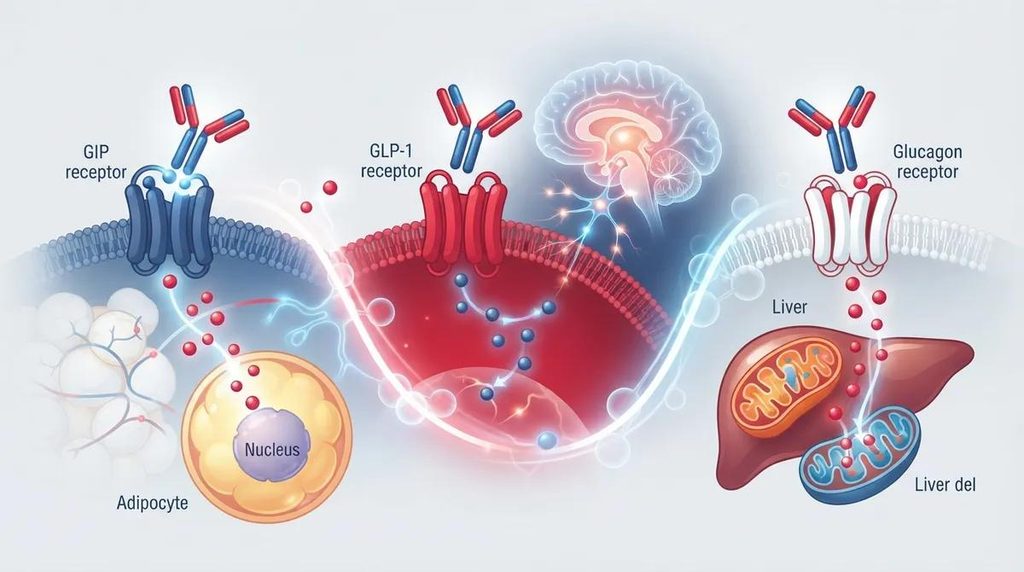
Retatrutide is known as a triple agonist. It activates receptors for GLP-1, GIP and glucagon. These pathways influence appetite, blood sugar regulation and energy metabolism. The combination may help patients reduce food intake while also changing how the body processes energy.
Existing medicines such as prescription obesity treatments have already transformed medical weight management. Retatrutide could represent another step forward if clinical trials and regulatory review support its use.
Clinical Trials Show Significant Weight Reduction
Results published in the New England Journal of Medicine in September 2026 reported substantial weight reduction in the Phase 3 TRIUMPH-1 trial. Participants receiving the highest studied dose lost an average of 25% of their body weight over 80 weeks. The placebo group lost approximately 3.9%.
Additional Phase 3 results showed average weight reductions of up to 20.8% among participants with obesity or overweight and type 2 diabetes. The findings also included improvements in blood sugar measurements. However, trial results do not guarantee identical outcomes in everyday clinical practice.
Researchers are continuing to investigate the medication’s effectiveness and safety. Details of ongoing studies are available through ClinicalTrials.gov.
What Could This Mean for US Healthcare?
Obesity affects millions of Americans and contributes to conditions such as type 2 diabetes, cardiovascular disease and sleep apnea. The Centers for Disease Control and Prevention identifies obesity as a major public health concern.
More effective treatments could expand options for patients who struggle to achieve sustainable weight loss. They may also influence insurance coverage, employer health benefits and competition among pharmaceutical companies.
However, affordability and access remain important questions. Patients already face different costs and coverage rules for existing medicines. A new treatment would need to demonstrate its value beyond headline weight-loss figures.

Safety and FDA Approval Remain Critical
Gastrointestinal side effects, including nausea, diarrhea and vomiting, were among the common adverse events reported in trials. Longer-term safety, tolerability and outcomes still require careful evaluation.
As of November 2, 2026, retatrutide is not FDA-approved and is not legally available as a marketed treatment. Lilly has indicated plans to submit an application to the FDA in the first quarter of 2027. The FDA drug information portal provides updates on regulatory decisions and medicine safety.
Consumers should avoid products advertised online as research-grade or injectable retatrutide. The FDA’s guidance on compounded drugs explains why unapproved products can carry quality and safety risks.
The Next Chapter in Obesity Treatment
Retatrutide could become an important development in obesity medicine, but it is not yet a treatment patients can obtain through an approved prescription. Its eventual impact will depend on regulatory review, long-term evidence, affordability and access. For now, the results are promising—but careful science must come before widespread adoption.
#Retatrutide #WeightLoss #GLP1 #ObesityTreatment #MedicalResearch #HealthcareNews #EliLilly #DigitalHealth