


SGLT2 inhibitors are attracting attention as researchers investigate new treatments for microvascular angina, a condition that disproportionately affects women. Early clinical studies suggest these diabetes and heart medications may improve angina symptoms and certain measures of blood-vessel dysfunction. However, researchers have not yet demonstrated that they reverse heart disease or prevent heart attacks in this patient group.
Understanding Microvascular Angina in Women
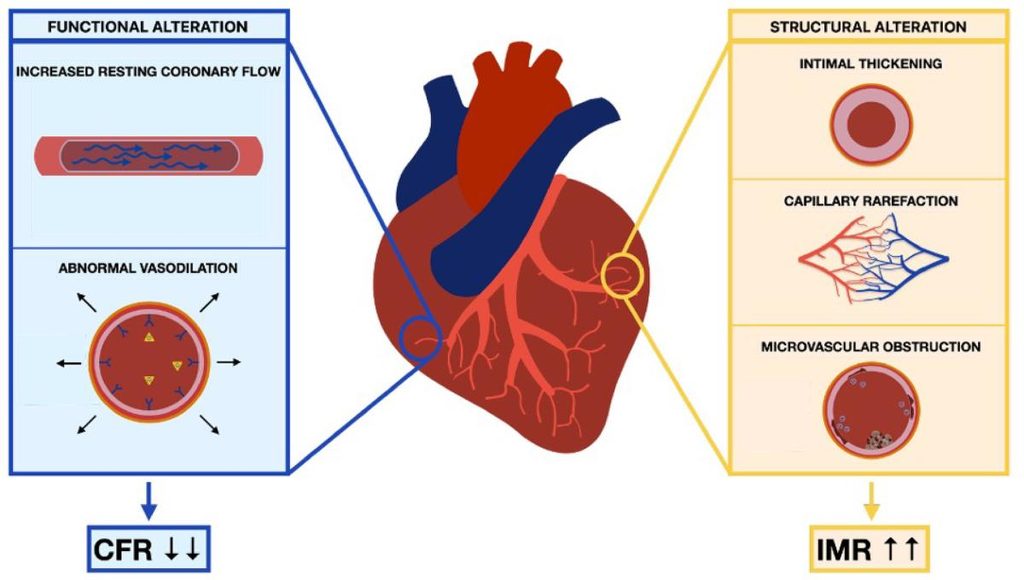
Microvascular angina occurs when the tiny blood vessels supplying the heart do not function properly. Patients can experience chest discomfort, breathlessness, and fatigue even when major coronary arteries show no significant blockage.
This condition often falls under ANOCA, meaning angina with non-obstructive coronary arteries, or INOCA, meaning ischemia with non-obstructive coronary arteries.
Women are frequently affected, yet their symptoms can be overlooked when conventional angiography does not reveal major arterial blockages. The European Society of Cardiology guidelines emphasize identifying the underlying coronary dysfunction and tailoring treatment to each patient’s condition.
Why Are Researchers Studying SGLT2 Inhibitors?
SGLT2 inhibitors, including empagliflozin and dapagliflozin, were originally developed to manage type 2 diabetes. They also have established benefits for selected patients with heart failure and chronic kidney disease.
Researchers are now examining whether these medications can influence inflammation, oxidative stress, and endothelial dysfunction. These biological processes may contribute to impaired blood flow through the heart’s smallest vessels.
A small study published in 2026 in PubMed-indexed research examined empagliflozin in 11 patients with ANOCA and coronary microvascular or vasomotor dysfunction. Participants experienced a significant improvement in angina questionnaire scores after 90 days.
The findings also suggested improvements in several inflammatory and endothelial dysfunction markers. However, the study was open-label and had no randomized placebo control group.
What Does the Latest Women’s Research Show?
The 2026 SMILE pilot trial, published in the Journal of the American College of Cardiology, investigated dapagliflozin in women with ANOCA.
Twenty-three women completed the study. Researchers observed a favorable trend in myocardial perfusion reserve, but the difference between treatment and placebo groups was not statistically significant.
These findings provide a reason for further investigation, not proof of an established treatment. A larger randomized study called STRONG is also investigating SGLT2 inhibition in women with coronary microvascular disease.
Important Safety Considerations
SGLT2 inhibitors are prescription medications and are not appropriate for everyone. Potential adverse effects include genital yeast infections, urinary infections, dehydration, and, rarely, diabetic ketoacidosis.
The U.S. Food and Drug Administration has issued safety warnings about ketoacidosis associated with these medicines.
Patients should not start, stop, or change medication without medical advice. Treatment decisions require consideration of kidney function, diabetes status, other conditions, and potential interactions.
What Comes Next for Women’s Heart Health?
The next step is larger, well-designed clinical trials that measure symptoms, coronary blood flow, quality of life, and long-term cardiovascular outcomes.
For now, SGLT2 inhibitors represent a promising research direction rather than a proven cure for microvascular angina. Better diagnosis and individualized treatment remain essential for women experiencing unexplained chest pain.
#SGLT2Inhibitors #MicrovascularAngina #WomensHeartHealth #HeartDisease #Cardiology #MedicalResearch #HeartHealth