

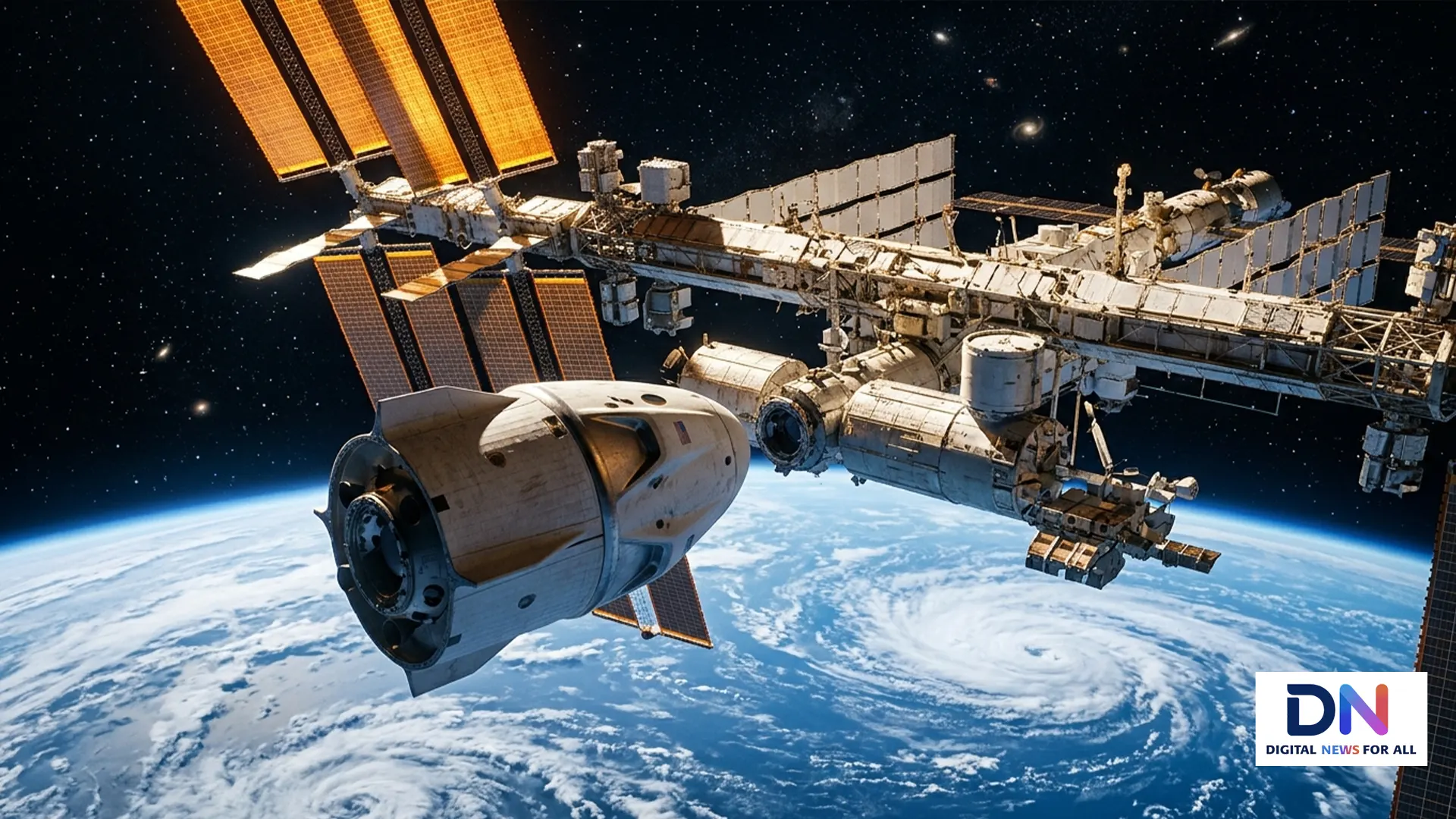
NASA Crew-13 has delivered a major milestone for American human spaceflight. On October 1, 2026, four astronauts reached the International Space Station (ISS) in approximately seven hours and 55 minutes after launch. The flight established the fastest launch-to-docking time by a U.S. spacecraft at the station. More importantly, it demonstrated how commercial partnerships are supporting a more regular human presence in orbit.
Crew-13 Sets a New U.S. Docking Record
A SpaceX Falcon 9 rocket launched the Crew Dragon spacecraft from Cape Canaveral, Florida. The crew included NASA astronauts Jessica Watkins and Luke Delaney, Canadian astronaut Joshua Kutryk, and Russian cosmonaut Sergey Teteryatnikov.
The spacecraft docked autonomously with the ISS after less than eight hours. NASA described the achievement as the fastest launch-to-docking by a U.S. spacecraft in the station’s history. It was not the fastest journey by any spacecraft: Russian Soyuz missions have reached the ISS in considerably less time.
The milestone highlights the operational flexibility of SpaceX’s Crew Dragon program and NASA’s commercial transportation model.
Why Commercial Spaceflight Matters
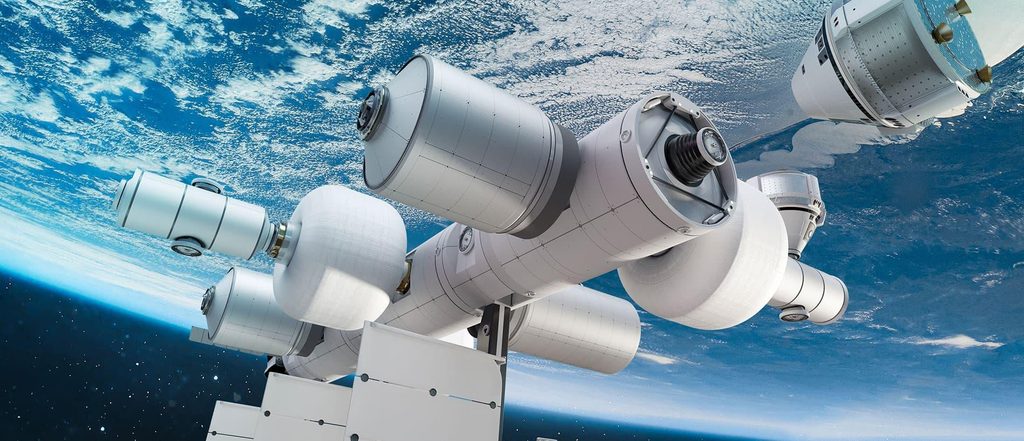
NASA’s Commercial Crew Program changed how the United States transports astronauts. Instead of owning and operating every crew vehicle, NASA purchases transportation services from private companies. SpaceX’s Dragon spacecraft has become a regular vehicle for transporting astronauts to and from the ISS.
This approach creates opportunities for private investment, reusable spacecraft technology and more frequent missions. However, the system still depends on rigorous safety certification, reliable launch operations and continued technical improvements.
A NASA Office of Inspector General review also highlights challenges, including schedule delays, cost increases and the need to maintain enough crew transportation capacity.
The Next Target: Commercial Space Stations
The ISS is approaching the end of its planned operational life, with NASA currently targeting 2030 for retirement. The agency wants privately developed stations to take over much of the research and low-Earth-orbit activity currently conducted aboard the ISS.
NASA’s commercial space station strategy aims to create an environment where private operators own and manage orbital facilities. NASA and other customers could then purchase research space, crew accommodation and related services.
On October 9, 2026, NASA released its final request for proposals for commercial space stations. Companies must submit proposals by December 8, 2026, with contract awards expected in spring 2027. This is a significant procurement milestone, but it does not mean that operational commercial stations are already ready to replace the ISS.
Will Crew-13 Accelerate the Space Travel Timeline?
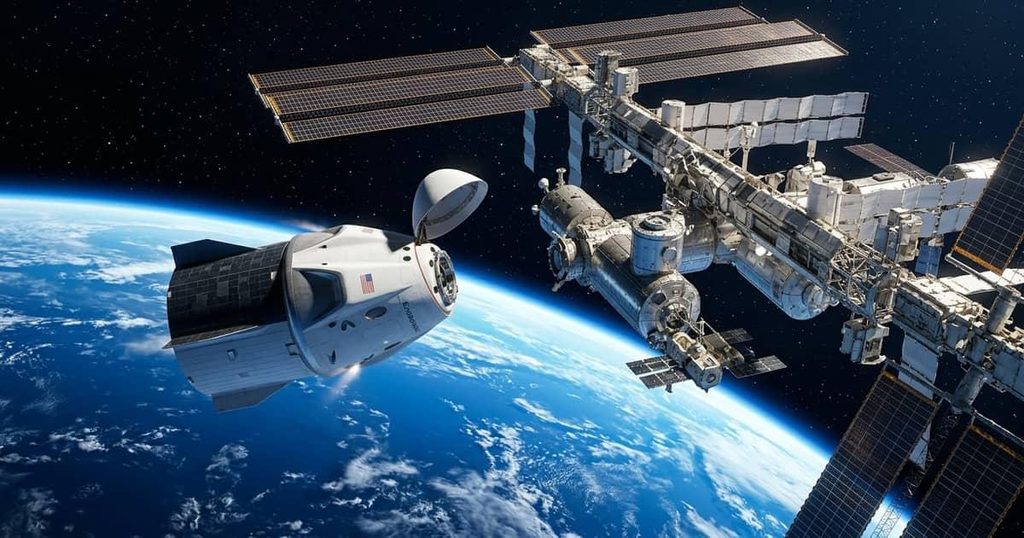
Crew-13’s rapid docking is a technical achievement, not a guarantee that commercial stations will launch sooner. Future facilities must demonstrate life-support systems, power generation, docking compatibility, emergency procedures and long-term crew safety.
The U.S. Government Accountability Office has warned that delays in commercial station development could create a gap in America’s continuous human presence in low Earth orbit. NASA may need to consider extending ISS operations if replacement facilities are not ready.
Beyond the ISS: Preparing for Moon and Mars Missions
Commercial stations could eventually provide research laboratories, astronaut training facilities and destinations for private missions. They may also help companies develop technologies for manufacturing and scientific research in microgravity.
NASA sees low Earth orbit as an important testing ground for future exploration. Experience gained there can support longer missions to the Moon and Mars, where crews will face greater challenges in communications, health, logistics and spacecraft operations.
Crew-13 therefore represents more than a fast trip to the ISS. It demonstrates the progress of commercial crew transportation while highlighting the work still required to build a sustainable private space economy. The next major milestone will not simply be another docking record. It will be proving that commercial stations can safely and reliably support people in orbit after the ISS era.
#NASA #Crew13 #SpaceX #CommercialSpaceflight #SpaceTravel #InternationalSpaceStation #SpaceExploration #FutureOfSpace #ScienceNews