


College athletics is entering a historic regulatory battle as lawmakers confront the growing financial power of student athletes. Name, image, and likeness (NIL) deals and direct revenue sharing have transformed college sports into a multibillion-dollar business.
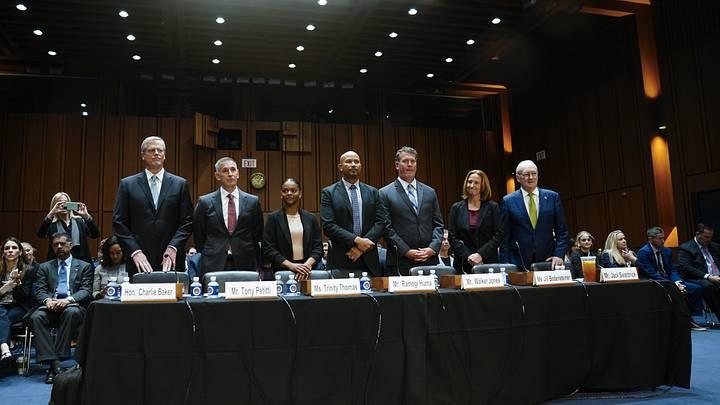
Now, Congress is considering whether federal legislation should establish national rules governing athlete compensation, transfers, eligibility, and NCAA enforcement. The debate could reshape the relationship between universities, athletic organizations, and the players who generate billions in revenue.
The Senate Has Already Taken a Major Step
The U.S. Senate passed the Protect College Sports Act of 2026 by a 77–22 bipartisan vote on September 28. Sponsored by Senators Ted Cruz and Maria Cantwell, the legislation aims to establish a nationwide framework for college athletics.
According to the official congressional bill record, the proposal addresses NIL agreements, revenue sharing, athlete transfers, eligibility rules, and health protections.
Supporters argue that inconsistent state laws and repeated lawsuits have created uncertainty. They believe federal legislation could provide clearer rules for universities, conferences, athletes, and commercial partners.
However, the bill must still pass the House of Representatives before reaching President Donald Trump. The post-election political environment has made its path forward less predictable.
Revenue Sharing Has Changed College Sports
The financial transformation began with athletes gaining greater freedom to profit from their NIL in 2021. A subsequent antitrust settlement, known as the House settlement, allowed participating Division I institutions to share revenue directly with athletes starting in the 2025–26 academic year.
Under the arrangement, schools can distribute up to approximately $20.5 million annually in the initial year, with the cap subject to adjustments. This represents a fundamental shift from the traditional model of amateur athletics.
The Government Accountability Office has examined college athletics finances and the implications of the new compensation structure. Its analysis highlights the financial challenges facing institutions as revenue-sharing obligations expand.
Supporters of reform say the current system needs stronger oversight to protect smaller programs and preserve opportunities in women’s and Olympic sports.
Why Athlete Advocates Oppose Federal Restrictions
Critics warn that the legislation could strengthen the NCAA and universities while limiting athletes’ ability to challenge compensation restrictions in court.
Some labor organizations and athlete advocacy groups argue that players should have collective bargaining rights and meaningful representation in decisions affecting their earnings and working conditions.
According to Athletes.org, athlete representation and bargaining power remain central concerns in the evolving college sports system.
The debate also raises questions about whether athletes should be considered employees under federal labor law. The proposed legislation does not settle that question, leaving another significant legal issue unresolved.
The House Becomes the Next Battleground
With the Senate bill awaiting House action, lawmakers face competing priorities and political disagreements. Some members support a uniform national framework, while others oppose provisions that could limit athletes’ legal protections.
The Knight Commission on Intercollegiate Athletics has examined governance and financial reform, emphasizing the importance of sustainable structures and accountability in college sports.
The NCAA’s House settlement information provides further context for the compensation framework now under scrutiny.
Ultimately, the federal debate is about more than NIL payments. It concerns who controls college athletics, how athletes receive compensation, and whether universities can balance competitive ambitions with financial responsibility.
As lawmakers prepare for the next stage of negotiations, the future of college sports may depend on whether Congress can reach a compromise that protects athletes while providing stability for institutions. The outcome could redefine the business of college athletics for years to come.
#NIL #CollegeSports #NCAA #RevenueSharing #StudentAthletes #ProtectCollegeSportsAct #SportsPolitics #CollegeFootball #SportsBusiness