

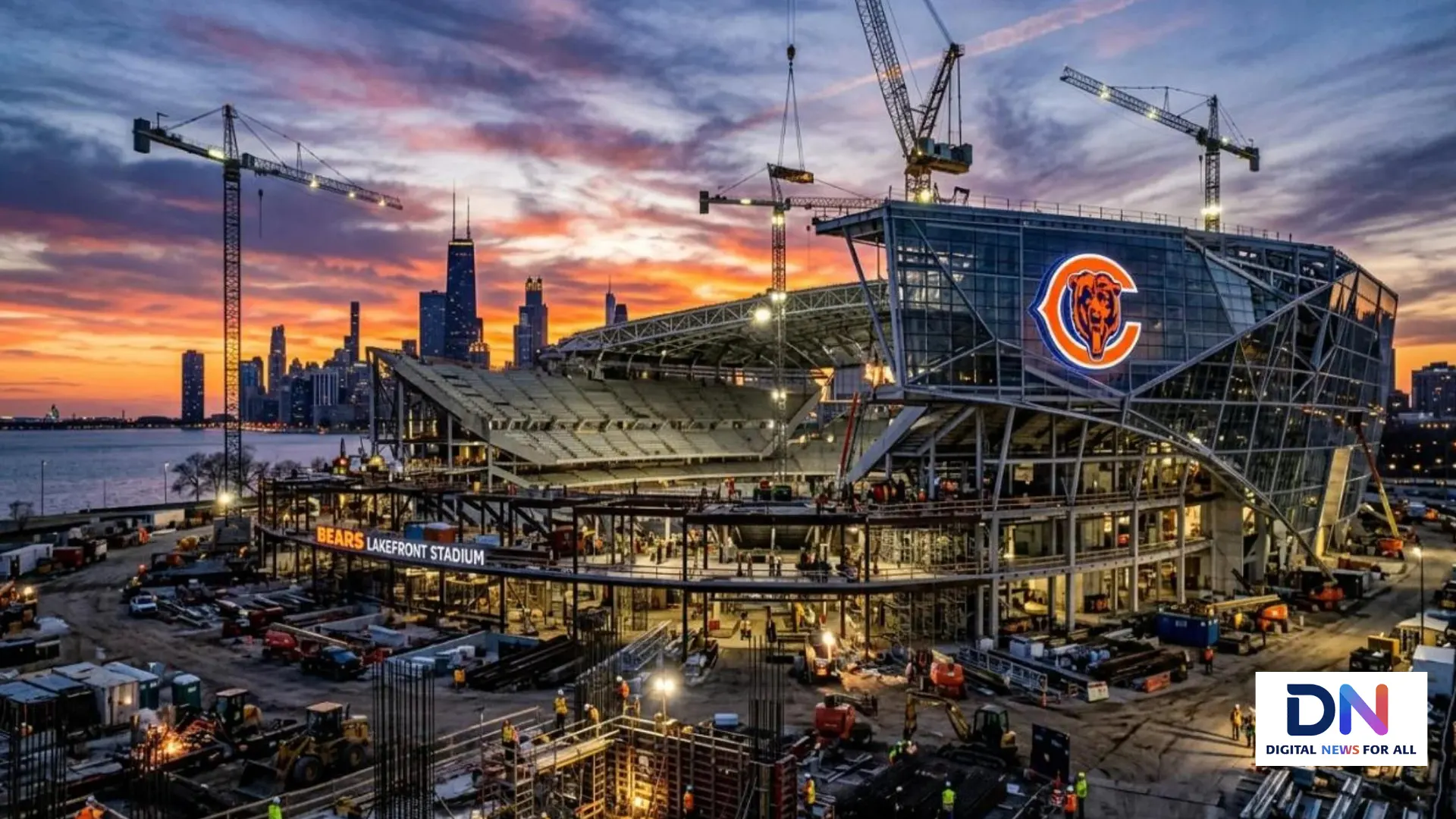
Stadium subsidies are facing renewed scrutiny across the United States. Local taxpayers are increasingly questioning whether publicly financed sports arenas deliver promised economic benefits. Recent election results have brought this debate into sharper focus.
On November 3, voters in Plano, Texas, rejected a proposed tax measure connected to a new Dallas Stars hockey arena. The outcome highlights a growing challenge for politicians and professional sports franchises seeking public money for billion-dollar developments.
For communities facing housing costs, infrastructure demands, and strained budgets, the central question remains straightforward: Should taxpayers help finance privately operated sports facilities?
Plano Voters Reject Arena-Related Taxes
Plano voters rejected Proposition A, which would have authorized taxes associated with a proposed Dallas Stars arena and entertainment development at the Shops at Willow Bend.
According to the Associated Press, unofficial results showed approximately 54.6% of voters opposed the measure. The proposal included taxes on tickets, parking, hotel rooms, car rentals, and professional teams using the facility.
The proposed development involved a multibillion-dollar redevelopment project. The city had committed to up to $700 million in bonds connected to the broader financing plan. The proposed hockey arena was expected to cost approximately $1 billion.
Opponents raised concerns about public financial exposure, traffic congestion, and the distribution of economic benefits. Some residents also questioned whether the public had received enough information before voting.
However, the election did not automatically cancel the entire development. Plano officials are reportedly evaluating alternative financing options.
The Economic Promise Versus the Public Cost
Supporters of stadium projects frequently promise jobs, tourism, higher property values, and additional business activity. These benefits can sound attractive to cities seeking redevelopment and investment.
However, economic research has repeatedly challenged these claims.
A comprehensive academic review published in the Journal of Policy Analysis and Management found that professional sports stadiums generally produce limited economic benefits for surrounding communities. Researchers concluded that public subsidies are often substantially larger than economically justified.
The Tax Foundation’s analysis of stadium subsidies also highlights the long-term financial risks. Governments frequently rely on bonds, special taxes, and redirected revenue to support these projects.
Taxpayers may therefore face financial commitments lasting decades. That money could otherwise support schools, public transportation, emergency services, parks, or other community priorities.
Political Pressure and Relocation Threats
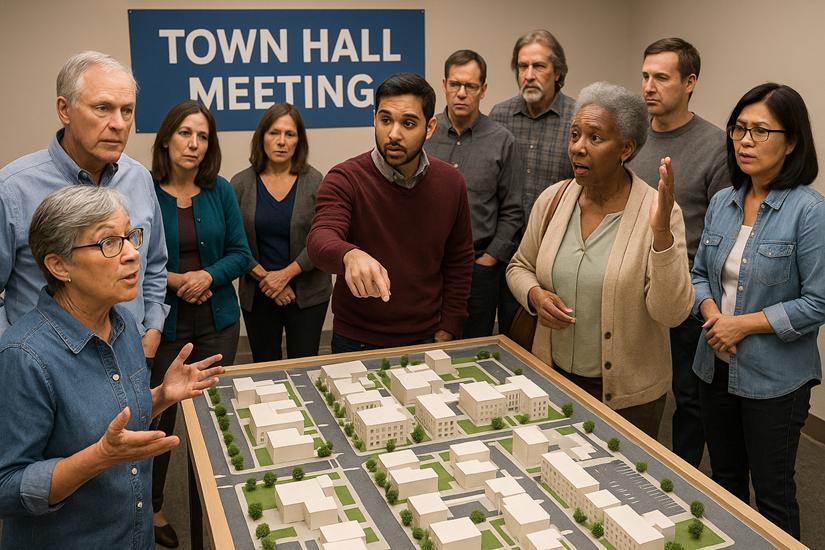
Professional sports teams possess significant bargaining power. Franchises can negotiate with multiple cities and threaten relocation when existing agreements become less favorable.Researchers have described this competition as an economic bidding war between municipalities. Cities fear losing teams, media attention, tourism, and regional identity.Recent stadium controversies illustrate these tensions. In Kansas City, Missouri, officials approved a $600 million commitment toward a proposed Royals ballpark despite concerns about financial transparency and long-term obligations, according to KCUR’s reporting.Meanwhile, the proposed Kansas City Chiefs stadium in Kansas has generated disputes over local control, financing, and community protections. The Beacon’s coverage examines how local officials have challenged aspects of the arrangement.
Are Taxpayers Changing the Stadium Debate?
Public opposition does not necessarily mean communities reject sports teams or stadium development altogether. Many residents support investment but want clearer financial terms, independent economic assessments, and greater accountability.
Potential reforms include requiring transparent financing agreements, limiting public guarantees, and conducting independent cost-benefit analyses before commitments become final.
Some economists also argue that cities could coordinate policies to prevent franchises from playing communities against one another for larger subsidies.
Ultimately, stadium financing is becoming a broader debate about public priorities and private profits. As voters demand greater accountability, sports franchises and local governments may need to rethink how future arena deals are structured.
The message from taxpayers is increasingly clear: community investment must deliver measurable public value, not just promises of economic growth.
#StadiumSubsidies #SportsBusiness #TaxpayerMoney #ArenaDeals #PublicFunding #EconomicDevelopment #LocalPolitics #SportsNews