

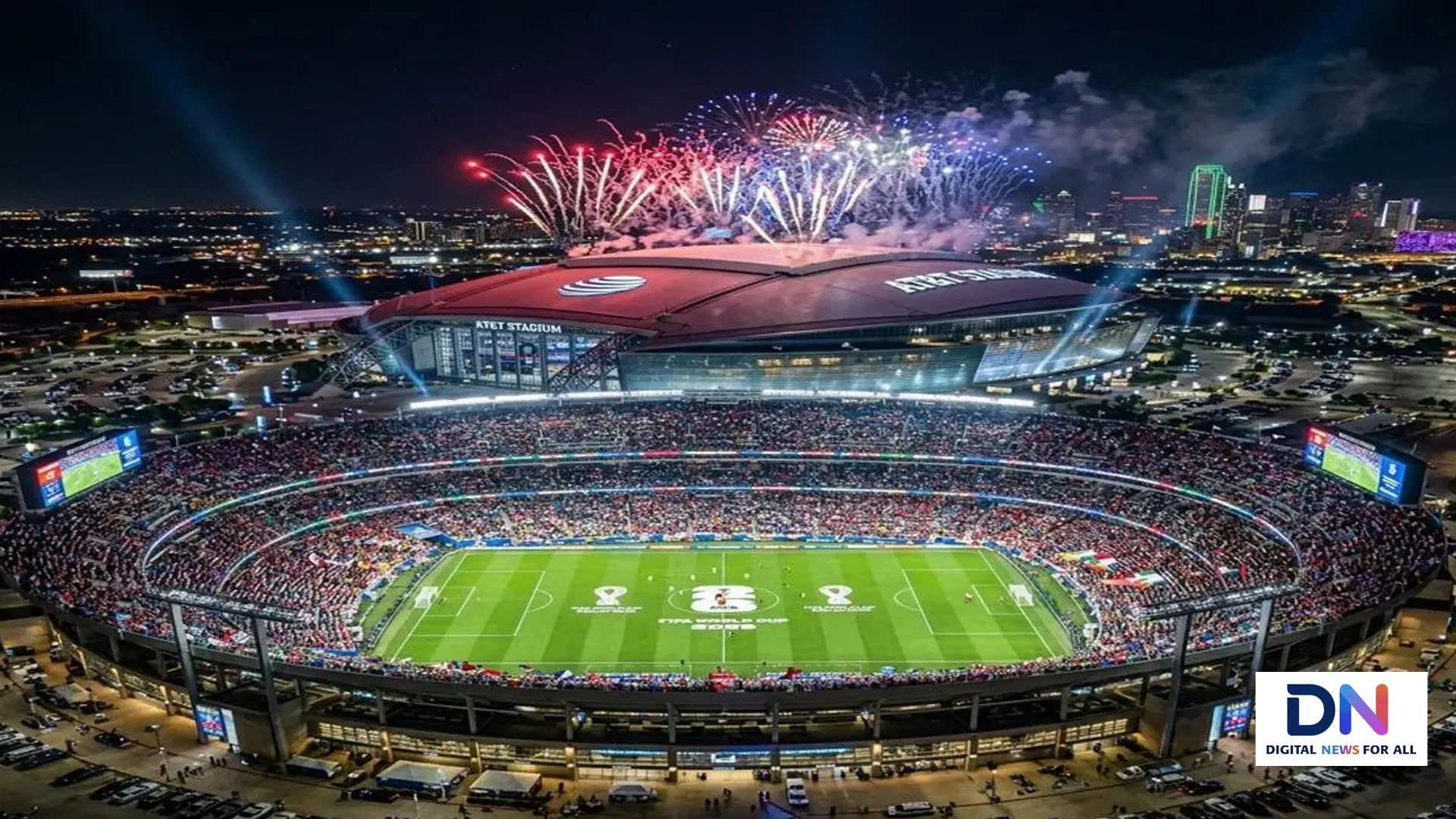
2026 World Cup economic impact is now under scrutiny as US host cities evaluate whether soccer’s biggest tournament delivered the promised financial windfall. The FIFA World Cup brought millions of fans to North America, generating substantial spending on hotels, restaurants, transportation and entertainment. But did those gains translate into lasting economic growth, or was the boom largely temporary?
Millions of Fans, Billions in Economic Projections
The 2026 FIFA World Cup ran from June 11 through July 19 across the United States, Canada and Mexico. Eleven American metropolitan areas hosted matches, creating opportunities for businesses to attract international visitors and domestic soccer fans.
Before the tournament, FIFA projected significant economic benefits for the United States. However, independent economists warned that headline figures could overstate the actual gains. According to S&P Global Market Intelligence, the event was unlikely to produce a measurable shift in national economic growth.
The explanation involves economic substitution. Some visitors simply redirected money they would have spent elsewhere. Meanwhile, regular tourists and business travelers avoided crowded or expensive host cities.
Hotels and Tourism Recorded Measurable Gains
One sector clearly benefited: hospitality. A September analysis by Tourism Economics estimated approximately $634 million in additional hotel room revenue across US host markets on and around match dates.
Hotel room revenue increased 36.3% year over year on match dates, primarily because of higher room rates. Host markets also recorded stronger revenue per available room than non-host markets during June and July.
However, increased revenue does not automatically mean increased profits. Hotels faced staffing expenses, operating costs and uncertainty surrounding international bookings. The Texas Tribune reported that hotel reservations in several Texas markets fell short of some early expectations, prompting concerns about whether projected visitor numbers would materialize.
New York and New Jersey Report Billions in Impact
Some host regions have reported substantial economic results. The New York and New Jersey Host Committee announced an estimated $3.5 billion in total regional economic impact after the tournament.
Its post-event report attributed the impact to approximately $1.9 billion in direct spending, more than 27,000 supported jobs and $414 million in state and local tax revenue.
Yet economists emphasize that gross economic impact measures are not equivalent to net profits. The results depend on modeling assumptions, indirect spending and whether activity would have occurred without the tournament.
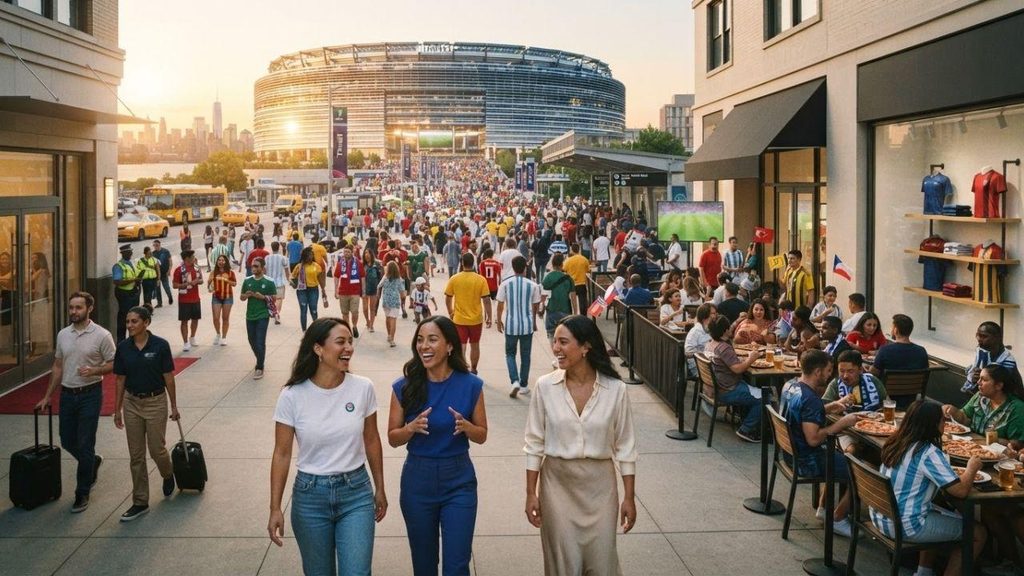
Who Paid for Hosting the World Cup?
Host cities also faced substantial expenses involving stadium preparation, transportation, public safety and fan festivals. Meanwhile, FIFA retained much of the revenue from ticket sales, merchandise and commercial sponsorships.
An investigation by ProPublica, the Houston Chronicle and The Texas Tribune found that host-city contracts restricted local revenue opportunities while assigning significant organizational responsibilities to local committees.
This raises an important public policy question: did taxpayers receive sufficient returns to justify their investments? The Government Accountability Office has previously examined public spending and economic claims associated with major sporting events.
Does the World Cup Leave a Lasting Legacy?
The strongest long-term benefits may involve tourism visibility, international branding, improved facilities and community sports programs. However, these outcomes require continued investment and careful measurement.
According to Oxford Economics, most economic gains were concentrated in leisure and hospitality, with limited lasting effects on overall employment and growth.
The 2026 World Cup undoubtedly generated significant activity. But the legacy question remains more complicated than headline billions suggest. The real economic scorecard will depend on whether host cities convert temporary excitement into sustainable tourism, stronger local businesses and long-term community benefits.
#FIFAWorldCup2026 #WorldCupEconomy #EconomicImpact #SportsTourism #USHostCities #FIFA #TourismEconomy #SportsBusiness #WorldCupLegacy