

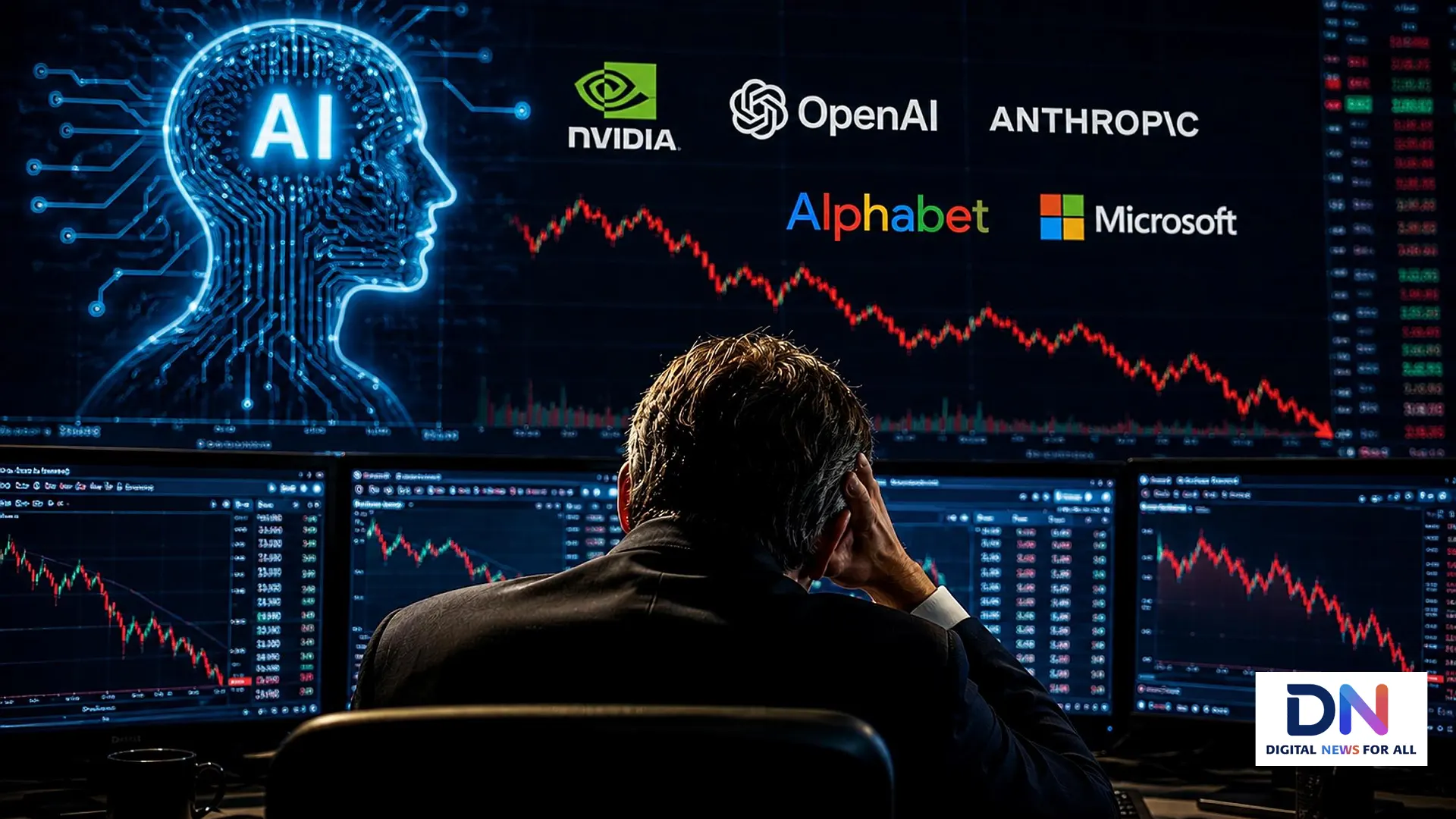
The U.S. dollar and technology stocks are facing renewed scrutiny following the November 2026 midterm elections. Investors are weighing a weaker greenback, political uncertainty, and growing concerns about the enormous cost of artificial intelligence infrastructure.
However, the market picture is more complicated than a simple post-election collapse. The dollar weakened after Democrats captured both chambers of Congress, while technology shares experienced sharp swings as investors reassessed AI valuations and future spending.
The Dollar Slides as Washington Changes
On November 4, the U.S. Dollar Index fell to a one-month low of 101.27. The euro strengthened against the dollar, while Treasury yields moved lower as investors evaluated the implications of divided government.
A Reuters survey of currency strategists published before the election had already pointed to expectations of dollar weakness. However, analysts also identified strong U.S. economic growth, persistent inflation, and possible Federal Reserve rate increases as potential support for the currency.
The dollar’s decline was not necessarily permanent. By November 5, it had recovered some ground as investors reconsidered interest-rate expectations and economic data.
AI Stocks Face a Valuation Reality Check
Technology companies are confronting a different challenge. Investors increasingly want evidence that massive AI investments will produce sustainable revenue, profits, and free cash flow.
Barclays’ November market analysis describes growing concern about how hyperscale technology companies will finance their infrastructure expansion. Demand for AI remains strong, but rising capital expenditure and pressure on cash generation are making investors more selective.
Wells Fargo Investment Institute also highlighted the technology selloff, citing mixed earnings, higher spending commitments, and questions about investment returns.
The pressure became particularly visible on November 5. The Associated Press reported that the S&P 500 fell 3.2% and the Nasdaq dropped 5% during Thursday trading. Semiconductor and data-center-related shares suffered significant losses.
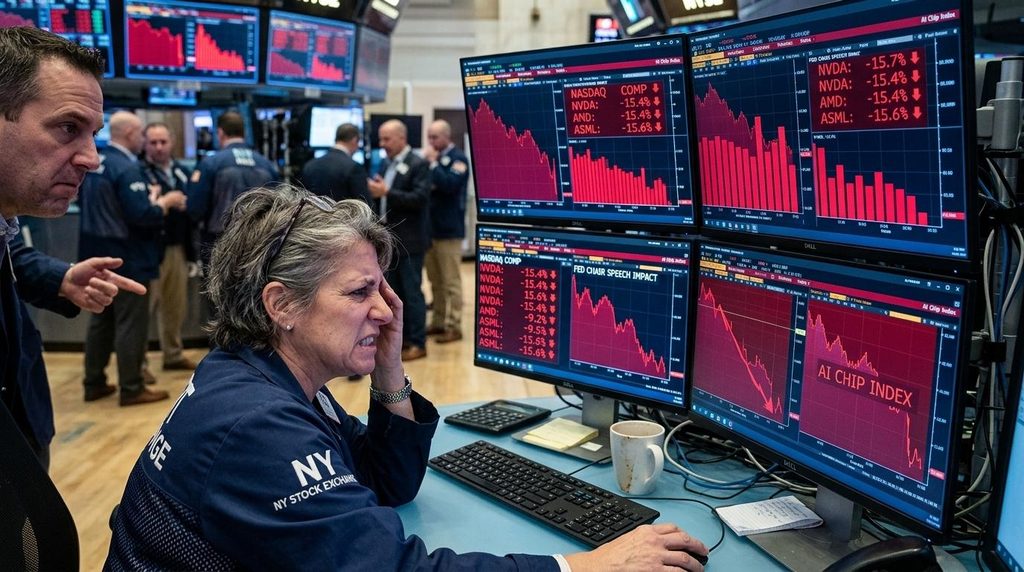
Why the Election Matters to Technology Investors
Democratic control of Congress could create additional scrutiny of AI infrastructure, data-center development, energy consumption, and technology regulation. Investors are considering whether new oversight could slow certain projects or increase compliance costs.
Reuters’ November 4 market report described a mixed reaction: major stock indexes initially rallied after the election, but data-center operators faced pressure over possible regulatory restrictions.
Currency markets also remain sensitive to interest rates. FXStreet’s November 5 analysis reported that stronger economic indicators helped the dollar recover from earlier losses.
Correction or a Longer Market Reset?
The latest volatility does not prove that the technology boom is ending. It does suggest that investors are becoming less willing to reward ambitious growth projections without clear financial results.
For the broader economy, the combination of currency movements, borrowing costs, political uncertainty, and AI investment risks deserves close attention. The next earnings reports and Federal Reserve decisions could determine whether this selloff develops into a deeper correction or remains a temporary reassessment.
Ultimately, the market’s message is changing: technology leadership alone may no longer justify premium valuations. Companies must demonstrate that their AI spending can deliver measurable returns.
#USMarkets #DollarSlide #WallStreet #TechStocks #AIStocks #StockMarket #Nasdaq #FederalReserve #MarketVolatility #MidtermElections