

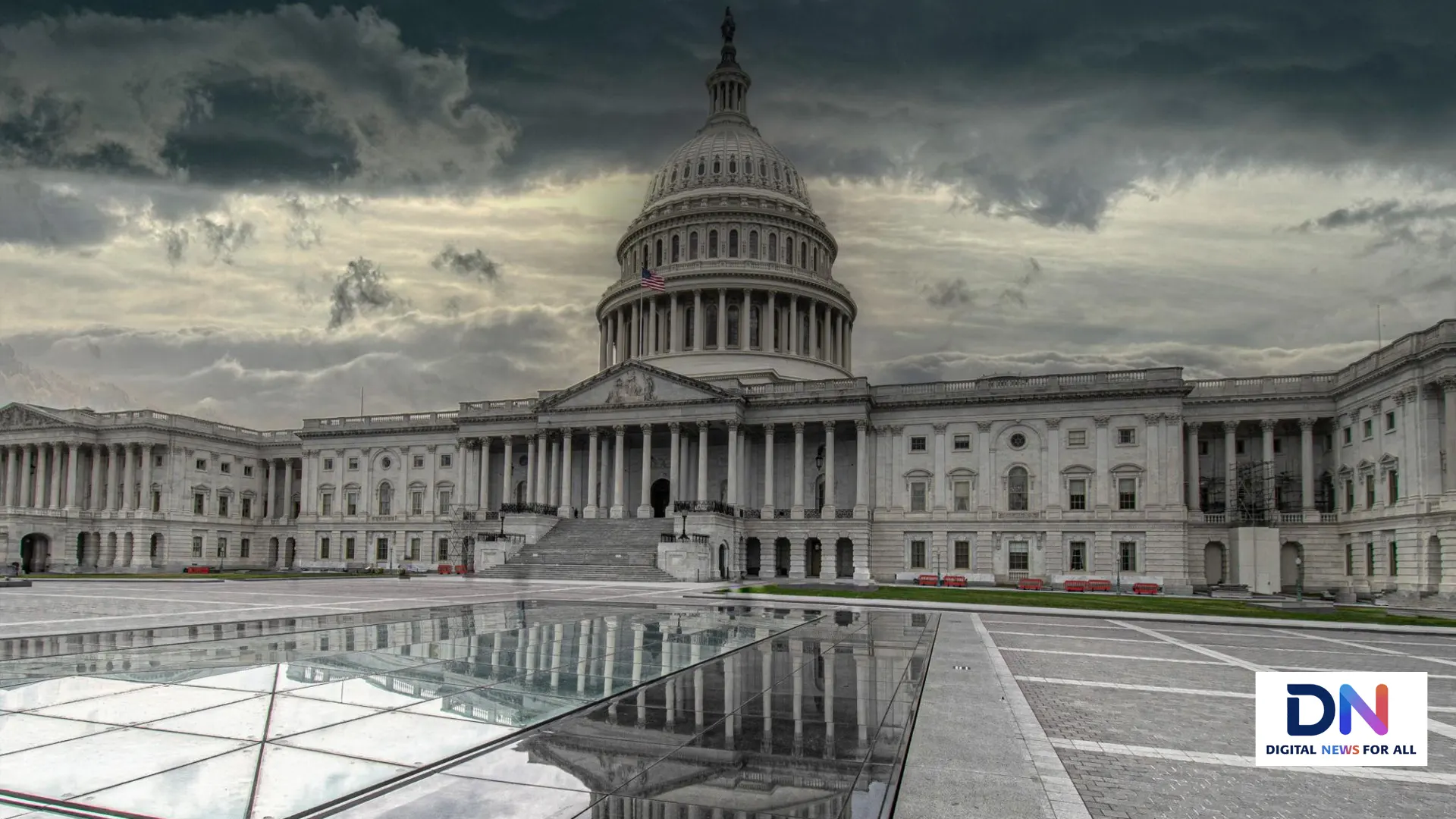
Trump’s veto strategy is emerging as a defining feature of Washington’s next political battle. With Democrats gaining control of both chambers of Congress in the 2026 midterm elections, President Donald Trump faces a dramatically different legislative environment. His warning to veto Democratic bills signals a potential showdown over executive authority, congressional oversight, and the future of American policymaking.
Trump has described the presidential veto as his ultimate bargaining tool. He believes rejecting legislation repeatedly could pressure Democratic lawmakers into negotiations. However, the strategy carries risks: prolonged political conflict could stall legislation, complicate federal spending, and intensify public frustration.
How the Presidential Veto Becomes Political Leverage
The US Constitution gives the president authority to reject legislation passed by Congress. Lawmakers can override a veto, but only with a two-thirds majority in both the House and Senate.
This high threshold makes the veto a powerful political instrument. Trump can block bills even when Democrats control Congress, provided they cannot secure sufficient Republican support for an override.
The US Senate’s official veto records document how presidents have exercised this authority. The Congressional Research Service also explains the constitutional procedure governing vetoes and overrides.
Why a Hostile Congress Changes the Equation
A Democratic House and Senate could challenge Trump through investigations, hearings, subpoenas, spending restrictions, and legislative proposals. Committee leadership gives Congress substantial oversight authority, even when the president retains control of executive agencies.
Democrats may pursue investigations into administration policies and spending decisions. They could also attempt to reverse selected policies through legislation. Trump, however, could veto measures that threaten his priorities.
According to Brookings Institution analysis, divided government creates substantial barriers to major legislation. Senate rules, partisan polarization, and the threat of presidential vetoes make compromise more difficult.
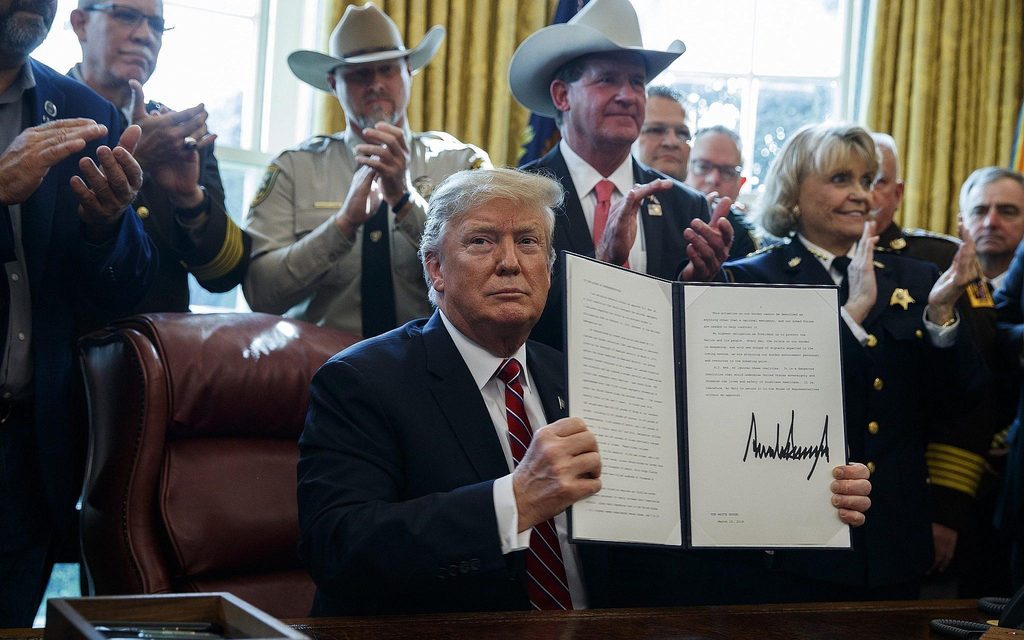
Executive Orders: Trump’s Alternative Route
When legislation stalls, presidents often turn to executive orders, agency regulations, and administrative directives. Trump’s advisers have reportedly explored additional executive actions involving immigration, tariffs, housing, and federal spending.
However, executive authority has limits. Federal courts can block actions that exceed statutory or constitutional powers. Congress can also restrict funding, revise legislation, and conduct oversight.
The White House presidential actions archive provides a record of executive orders and directives. The Department of Justice publishes legal information relevant to federal authority and litigation.
Could Veto Wars Trigger a Government Shutdown?
One immediate risk is a confrontation over government funding and the federal debt limit. If negotiations collapse, Congress and the White House could face another funding crisis.
Trump’s strategy may create leverage, but it could also weaken his ability to secure bipartisan agreements. A shutdown would disrupt federal services and affect government employees, contractors, and households relying on public programs.
Political analysts have warned that the next Congress may spend significant time on oversight and investigations rather than legislation. The Roll Call has reported on the debate over Trump’s veto threats and the possible Democratic response.
The Political Stakes for 2028
Both parties will be looking toward the next presidential election. Trump could portray vetoes as resistance to Democratic policies, while Democrats could frame them as obstruction of popular legislation.
Ultimately, veto wars will test the balance of power between Congress and the presidency. Trump may retain significant authority, but governing through confrontation could come at a political and economic cost.
#DonaldTrump #VetoPower #USPolitics #Congress #WhiteHouse #ExecutivePower #PoliticalGridlock #AmericanDemocracy #PoliticalNews