


Tariffs and energy bills are creating a difficult combination for American households already struggling with the cost of living. Imported products, clothing, electronics, furniture, gasoline, and electricity all contribute to household expenses. Although some tariff pressures have eased, consumers are not necessarily seeing lower prices at checkout or on monthly utility statements.
The latest inflation figures illustrate the problem. The September 2026 Consumer Price Index rose 3.7% from a year earlier. Energy prices increased 20.4% over the same period, while gasoline prices climbed 34.2%. These figures show that energy has become a major source of inflationary pressure.
Why Tariffs Keep Household Goods Expensive
Import tariffs increase the cost of bringing foreign products into the United States. Importers may absorb some of that expense, but businesses can also pass costs to retailers and consumers. Domestic manufacturers can face higher costs when imported components, raw materials, or equipment become more expensive.
A 2026 Federal Reserve Bank of New York study estimated that approximately 26% of tariff increases passed through to consumer prices. The researchers also identified indirect effects on American-made products, showing that tariffs can influence prices beyond imported goods.
Research from the Federal Reserve found that tariff-related price pressures can disproportionately affect lower-income households. Families may respond by switching to cheaper products or reducing purchases of non-essential items.
Why Energy Bills Are Rising Separately
Energy costs follow a different set of pressures. Global fuel markets, geopolitical tensions, transportation expenses, electricity demand, and utility infrastructure investments can all influence household bills.
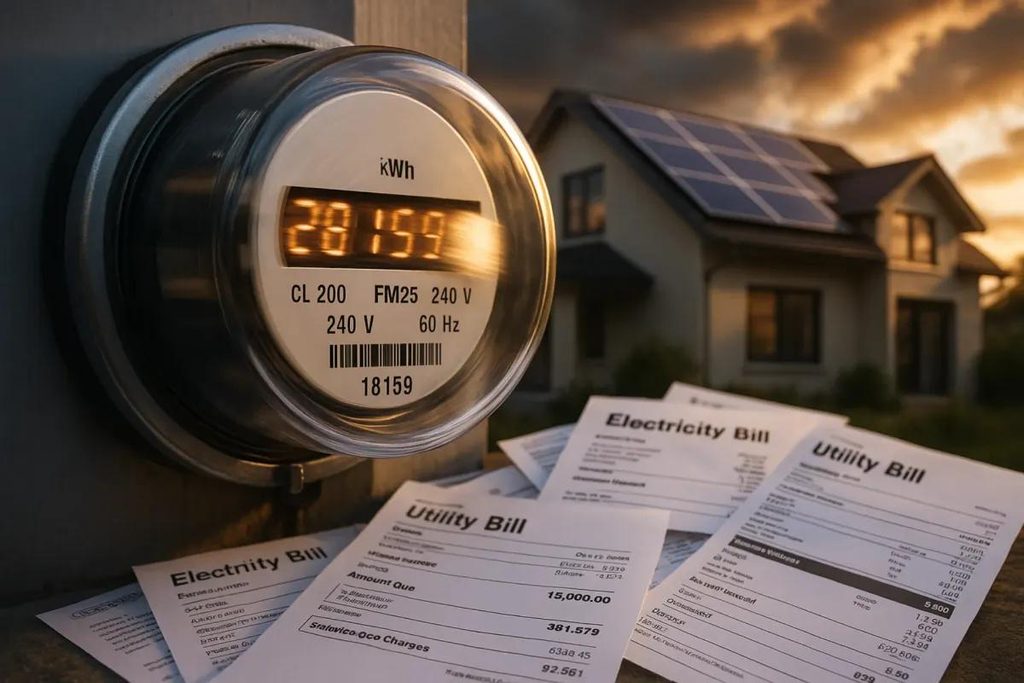
The September 2026 CPI report showed a 5.2% monthly increase in the overall energy index. Electricity prices were 4.4% higher than a year earlier, while piped natural gas service increased 5% annually.
Growing electricity demand is another concern. Data centers, industrial expansion, and grid upgrades can require significant investment. Reuters has reported that rising residential electricity costs and data-center power demand have become major political issues across several US states.
The US Energy Information Administration tracks electricity generation, prices, and consumption. Its data help consumers understand the changing energy market.
Why Lower Inflation Does Not Mean Lower Prices
One important distinction is the difference between inflation and the price level. If inflation slows, prices are generally rising more slowly. They do not automatically return to their previous levels.
The Federal Reserve Bank of St. Louis reported that the estimated inflationary impact of tariffs had stabilized by mid-2026. However, other pressures, including energy costs, continued to influence inflation.
The Bureau of Economic Analysis also tracks consumer inflation through its Personal Consumption Expenditures index.
What American Households Should Watch Next
Consumers should monitor electricity rates, fuel prices, import costs, and changes in trade policy. Families can compare utility plans where available, improve home energy efficiency, and delay non-essential purchases when budgets are under pressure.
Policymakers face a more difficult challenge. Tariff changes may reduce some import costs, but energy affordability requires separate solutions involving supply, infrastructure, competition, and utility regulation.
Ultimately, the tariff trap is not simply about taxes on imported products. It reflects the way trade policy, domestic production costs, and energy markets combine to shape everyday expenses. Until those pressures ease, many American households may continue feeling that their paychecks are not keeping pace with the cost of living.
#USInflation #Tariffs #EnergyBills #CostOfLiving #HouseholdBudget #ElectricityPrices #GasPrices #USEconomy #ConsumerPrices