

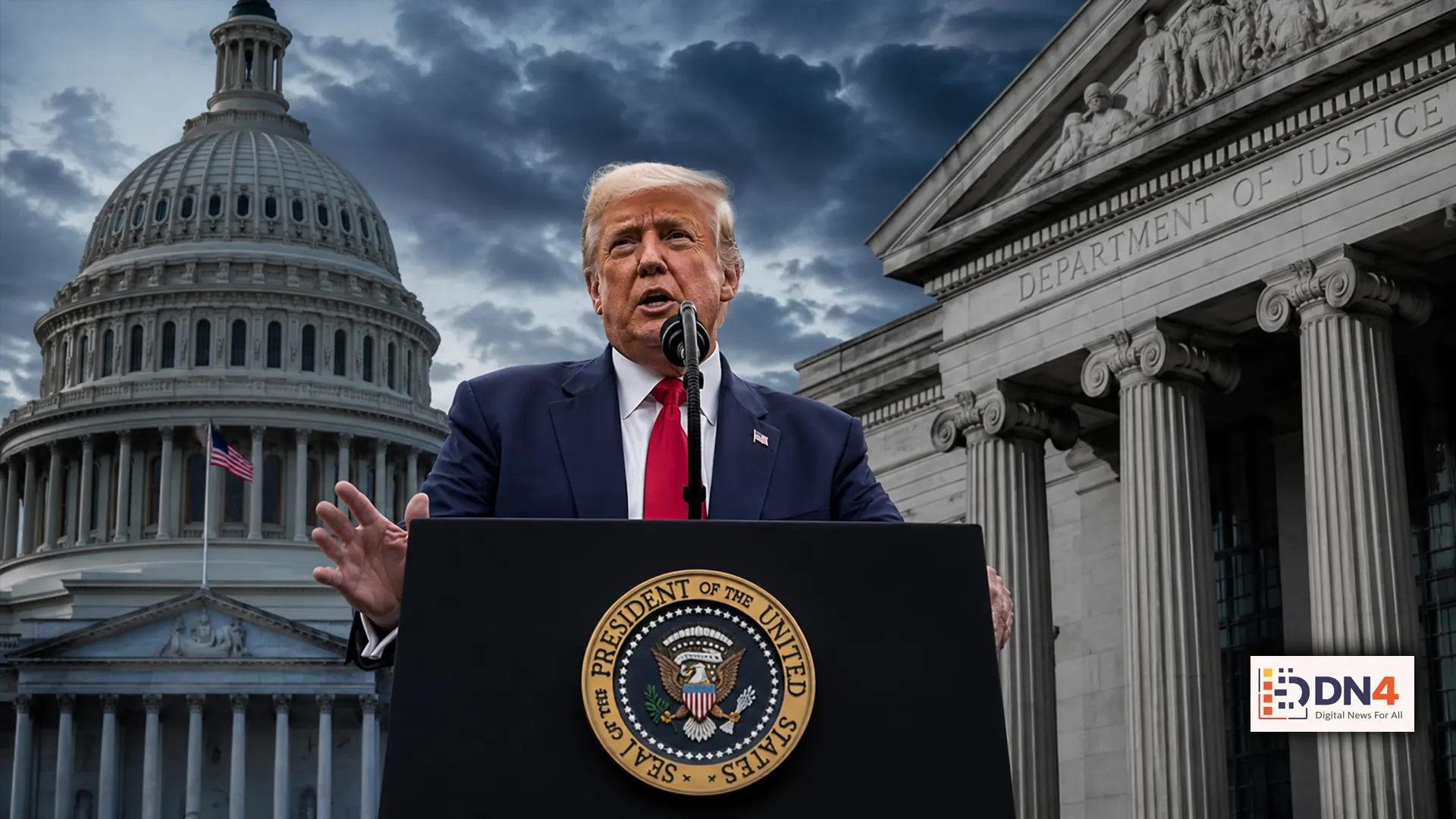
President Donald Trump’s latest nominee for U.S. Attorney General is encountering unexpected resistance from within his own party, creating uncertainty over what many expected to be a straightforward Senate confirmation process. While Republican lawmakers largely support Trump’s broader agenda, several senators have expressed concerns over the nominee’s qualifications, past statements, and approach to the Department of Justice (DOJ).
The Attorney General serves as the nation’s chief law enforcement officer, overseeing the U.S. Department of Justice and advising the president on legal matters. Because of the office’s significant influence over federal investigations and legal policy, Senate confirmation often attracts intense scrutiny. The constitutional nomination and confirmation process is outlined by the U.S. Senate.
Why Some Republicans Are Hesitant
Although Republicans hold considerable influence in the Senate, not every member of the party has rallied behind Trump’s nominee. Some senators have questioned whether the candidate can maintain the Justice Department’s independence while carrying out the administration’s priorities. Others have raised concerns over previous public comments and legal positions that could become contentious during confirmation hearings.
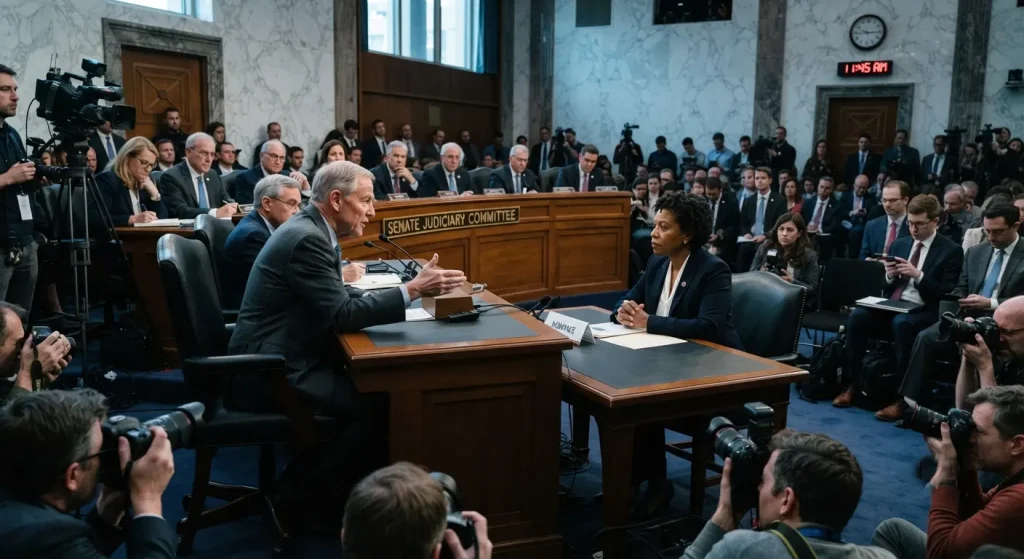
Political analysts note that even a small number of Republican defections could complicate the nomination if the Senate vote is closely divided. Information about the confirmation schedule and committee actions is available through Congress.gov.
What’s at Stake for the Administration?
The Attorney General plays a central role in enforcing federal law, supervising criminal prosecutions, and representing the federal government in major legal disputes. A prolonged confirmation battle could delay key policy initiatives and create leadership uncertainty within the Justice Department.
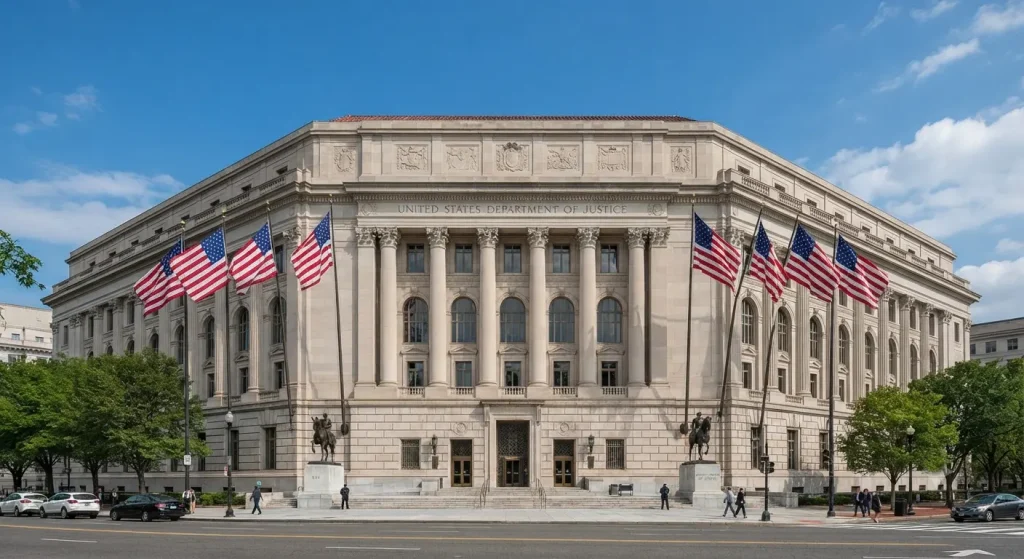
The White House has defended the nominee, emphasizing experience and commitment to enforcing federal law. Official administration statements can be found on the White House website, while DOJ responsibilities are explained by the Department of Justice.
How the Senate Confirmation Process Works
Before becoming Attorney General, the nominee must first undergo a review by the Senate Judiciary Committee. Committee members examine professional qualifications, ethics disclosures, and policy positions before recommending whether the full Senate should vote on confirmation. Additional background on congressional procedures is available from the Congressional Research Service.
Public hearings often become a platform for senators from both parties to question nominees on controversial legal issues, executive authority, and judicial independence. The outcome can shape public perception and influence undecided lawmakers.
What Comes Next?
As the nomination moves through the Senate, Republican leaders will likely work to unify support while Democrats continue to scrutinize the nominee’s record. Whether the Republican concerns are resolved could determine not only the nominee’s confirmation but also the administration’s ability to advance its broader legal and policy agenda.
Observers will continue watching developments through official updates from the U.S. Senate, Congress.gov, and the Department of Justice as the confirmation process unfolds.
#Trump #AttorneyGeneral #Republicans #Senate #USPolitics #DOJ #BreakingNews