

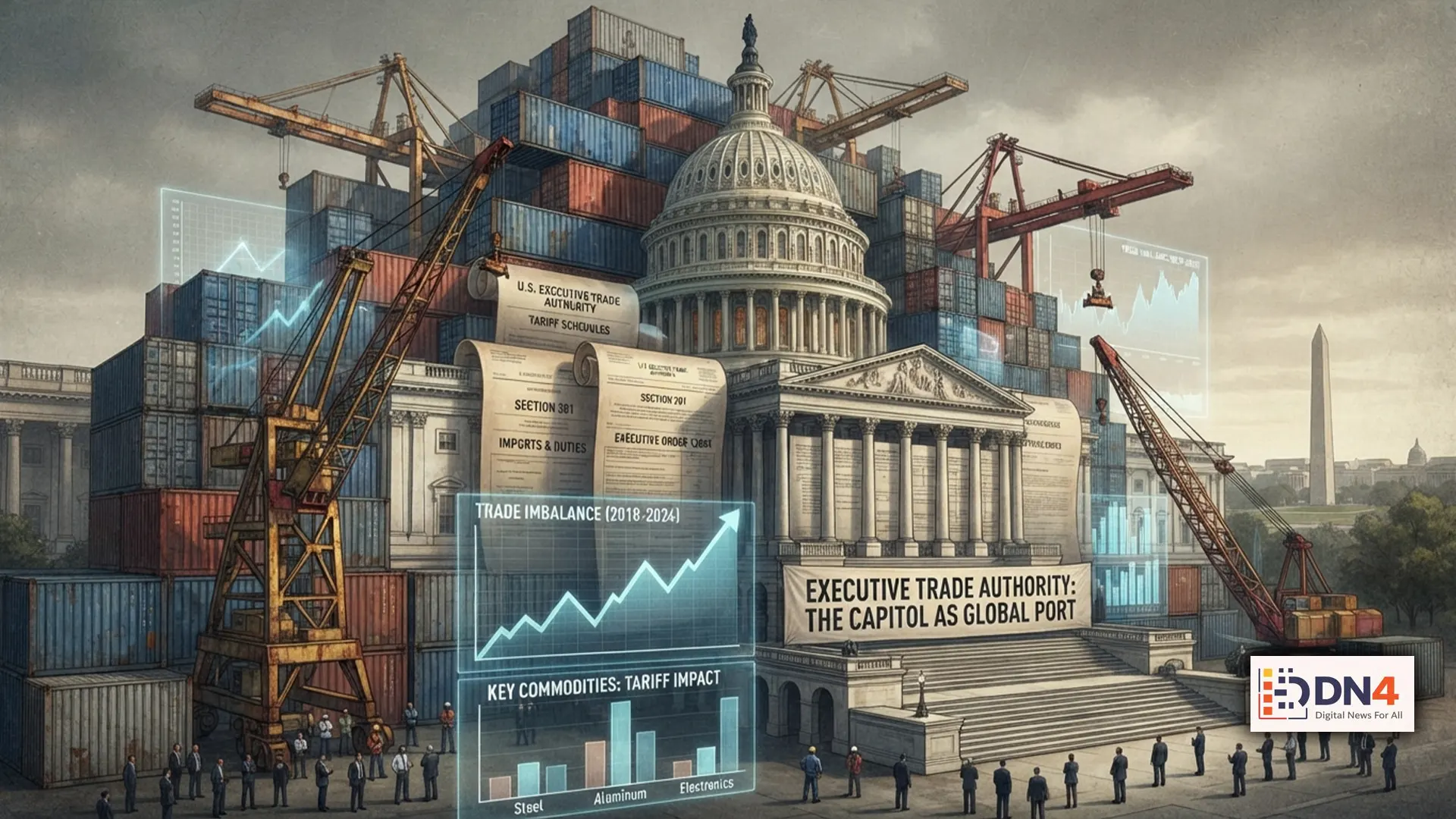
Tariffs continue to shape global trade discussions. One often-overlooked provision from nearly a century ago has returned to the spotlight. Section 338 of the Tariff Act of 1930—commonly associated with the Smoot-Hawley Tariff Act—grants the U.S. president authority to impose additional tariffs under specific circumstances involving discriminatory treatment of American commerce. While the provision has rarely been used, it remains part of federal law and has become relevant in debates over executive trade powers.
The Legal Information Institute at Cornell Law School provides the full statutory text of Section 338, while the Office of the U.S. Trade Representative (USTR) oversees modern U.S. trade policy and negotiations involving tariffs and market access.
What Is Section 338?
Section 338 authorizes the president to impose additional duties on imports from countries found to be discriminating against U.S. commerce. The measure was enacted as part of the Tariff Act of 1930, a landmark trade law that significantly increased tariffs during the Great Depression. Although many provisions have since evolved, Section 338 remains available under U.S. law.
How Does the Law Work?
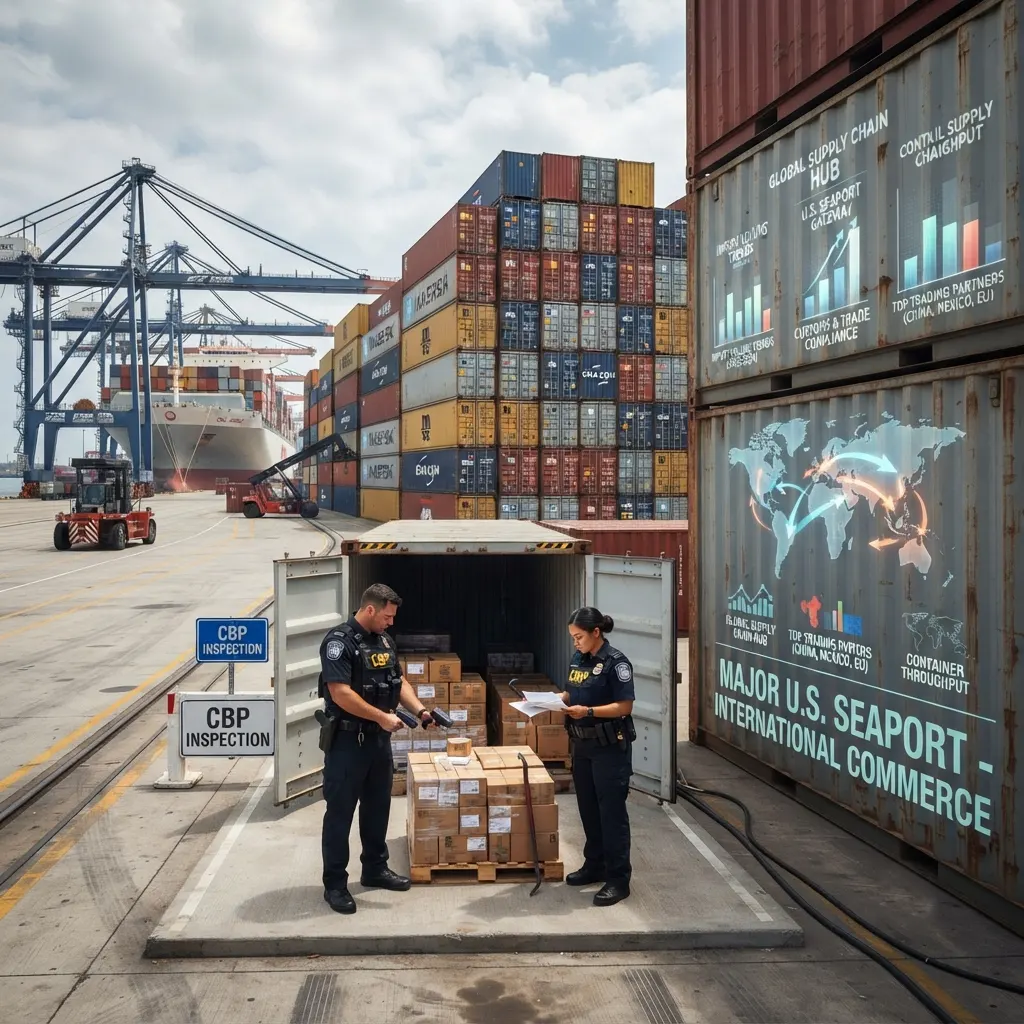
“Under the statute, a foreign country may be found to impose unreasonable or discriminatory restrictions on U.S. goods or businesses. If so, the president may direct increased tariffs on imports from that country. Any action generally requires a formal determination based on trade practices rather than serving as an automatic response. Guidance from the Congressional Research Service (CRS) explains that several legal authorities exist for imposing tariffs, each with different requirements and policy objectives.
Why Is Section 338 Back in the News?
Trade policy has become a central issue in discussions about supply chains, manufacturing, and economic competitiveness. Recent administrations have more commonly relied on authorities such as Section 232 of the Trade Expansion Act or Section 301 of the Trade Act of 1974. Some policymakers and legal analysts have now revisited Section 338 as another potential source of executive tariff authority. The U.S. Customs and Border Protection (CBP) is responsible for implementing tariffs once they are legally authorized.
Potential Economic Effects
Higher tariffs can increase the cost of imported goods, encourage domestic production in some industries, and influence trade negotiations. However, economists also note that tariffs may raise prices for businesses and consumers while prompting retaliatory measures from trading partners. Research published by the International Monetary Fund (IMF) and the Organisation for Economic Co-operation and Development (OECD) suggests the overall impact depends on the scope of the tariffs, market conditions, and international responses.
What It Means Going Forward
Whether Section 338 is used or not, its renewed attention matters. It highlights the broad range of legal tools available to U.S. presidents in shaping trade policy. Businesses, investors, and consumers closely monitor these developments. Tariff decisions can influence supply chains, inflation, manufacturing costs, and international economic relations. Understanding the legal framework behind executive trade powers matters. It explains why decades-old legislation still plays a role in modern policy debates.
#Section338 #TradePolicy #Tariffs #Economy #USTrade #ImportTariffs #BusinessNews #GlobalTrade #Explained