

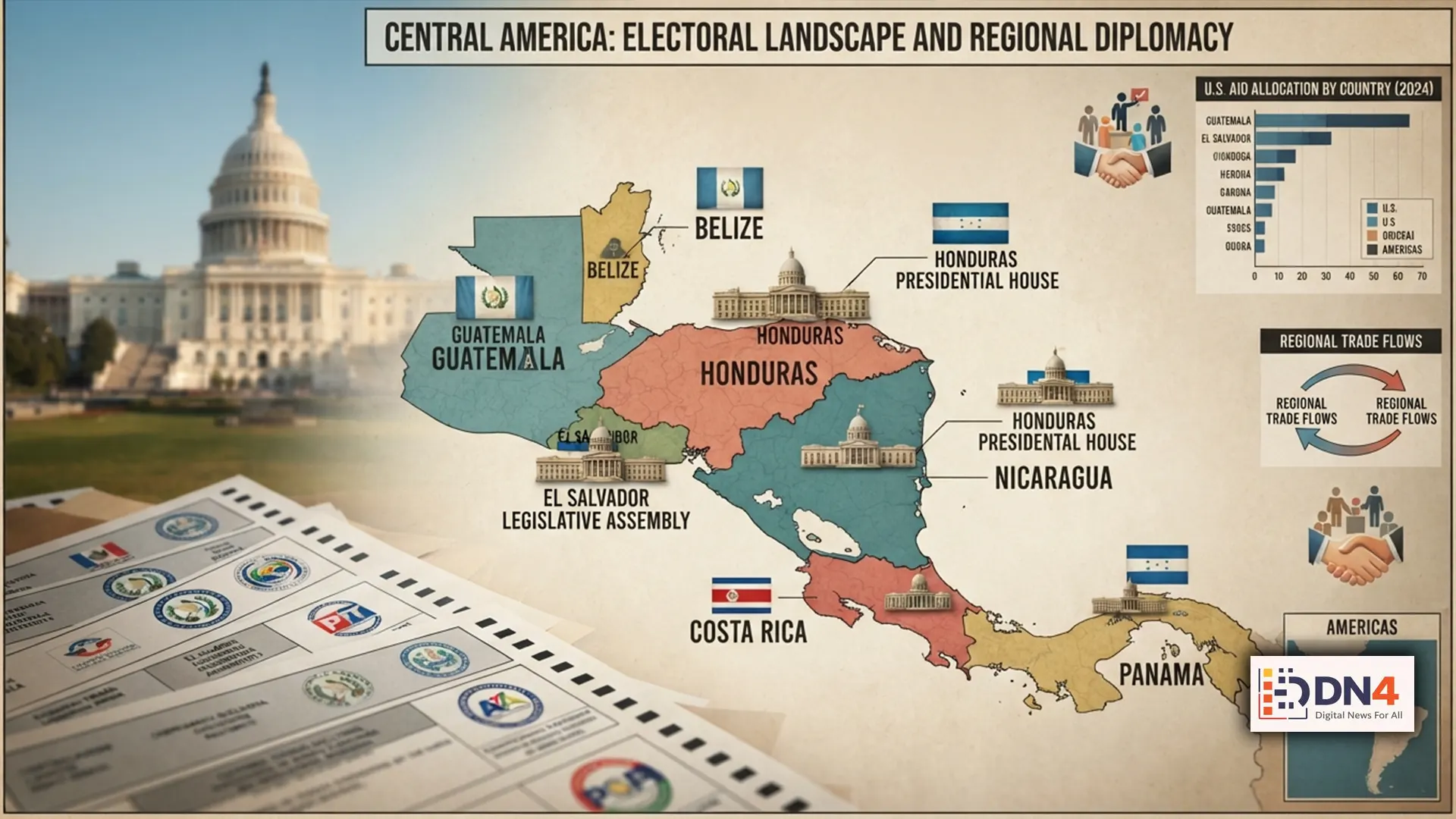
Political developments across Central America are drawing increasing international attention as concerns grow over democratic governance, institutional independence, and constitutional reforms. In some countries, opposition groups and international observers have raised alarms about restrictions on political competition and changes affecting future elections. While each nation’s political circumstances differ, these developments could have far-reaching implications for the United States through migration, trade, regional security, and diplomatic relations.
The U.S. Department of State has consistently emphasized the importance of democratic institutions, transparent elections, and respect for the rule of law across the Western Hemisphere. Likewise, the Organization of American States (OAS) regularly monitors electoral processes and democratic governance in member countries.
Why Political Stability Matters
Stable democratic institutions generally foster investor confidence, encourage economic growth, and strengthen international partnerships. When political uncertainty increases, businesses may delay investments while international organizations reassess financial cooperation. Economic analysis from the World Bank has shown that political stability often plays a significant role in long-term development and poverty reduction.
Potential Effects on Migration
Migration remains one of the closest links between Central America and the United States. Economic hardship, political instability, violence, and limited employment opportunities have historically contributed to migration flows from the region. According to the International Organization for Migration (IOM), migration decisions are often influenced by a combination of economic, environmental, and governance-related factors rather than a single event.
If political uncertainty continues, U.S. policymakers may face additional challenges related to border management, asylum processing, and humanitarian assistance. The UN Refugee Agency (UNHCR) notes that displacement patterns frequently evolve when governance and security conditions deteriorate.
Trade and Economic Implications
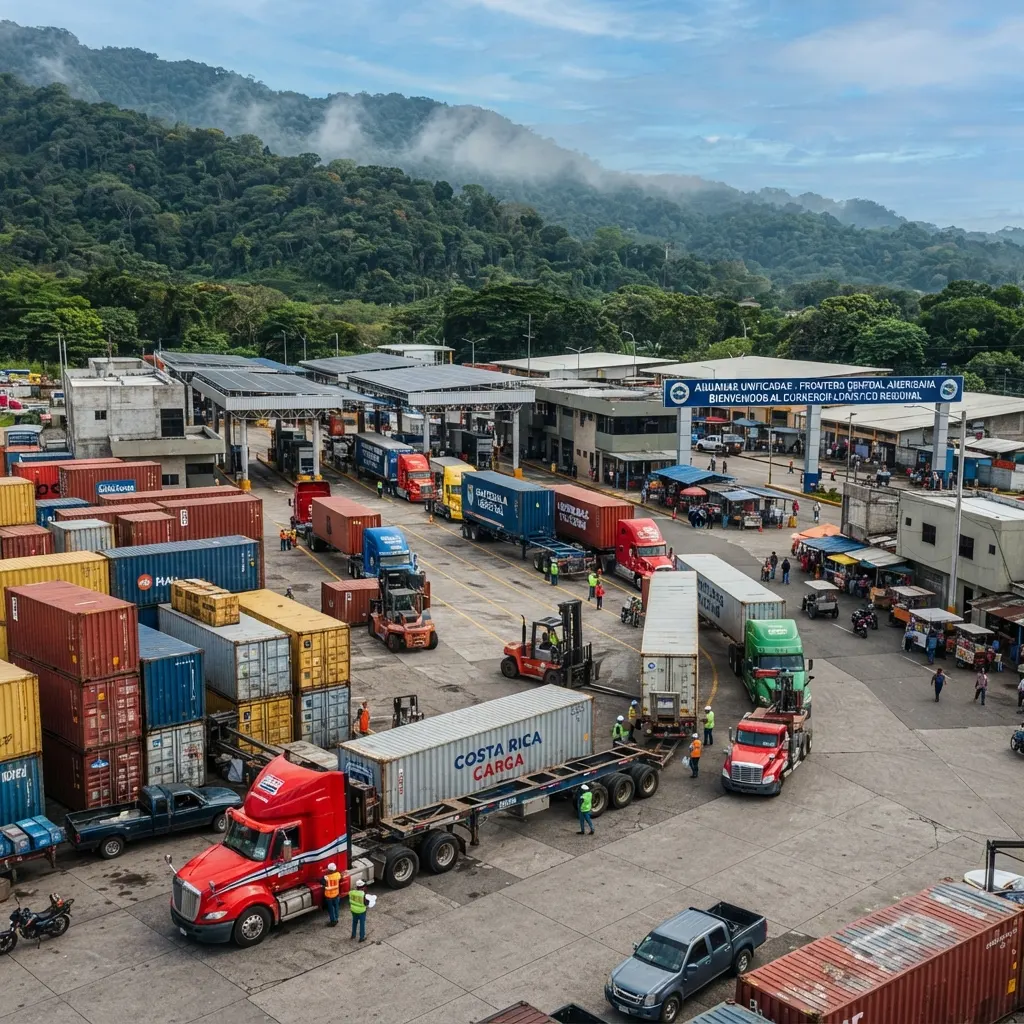
The United States maintains significant trade relationships with Central American countries through regional trade agreements and private-sector investment. Political instability can disrupt supply chains, discourage foreign investment, and slow economic growth. Trade data published by the Office of the U.S. Trade Representative highlights the importance of Central America as a market for U.S. exports and an important manufacturing partner for products ranging from textiles to agricultural goods.
Diplomatic Challenges Ahead
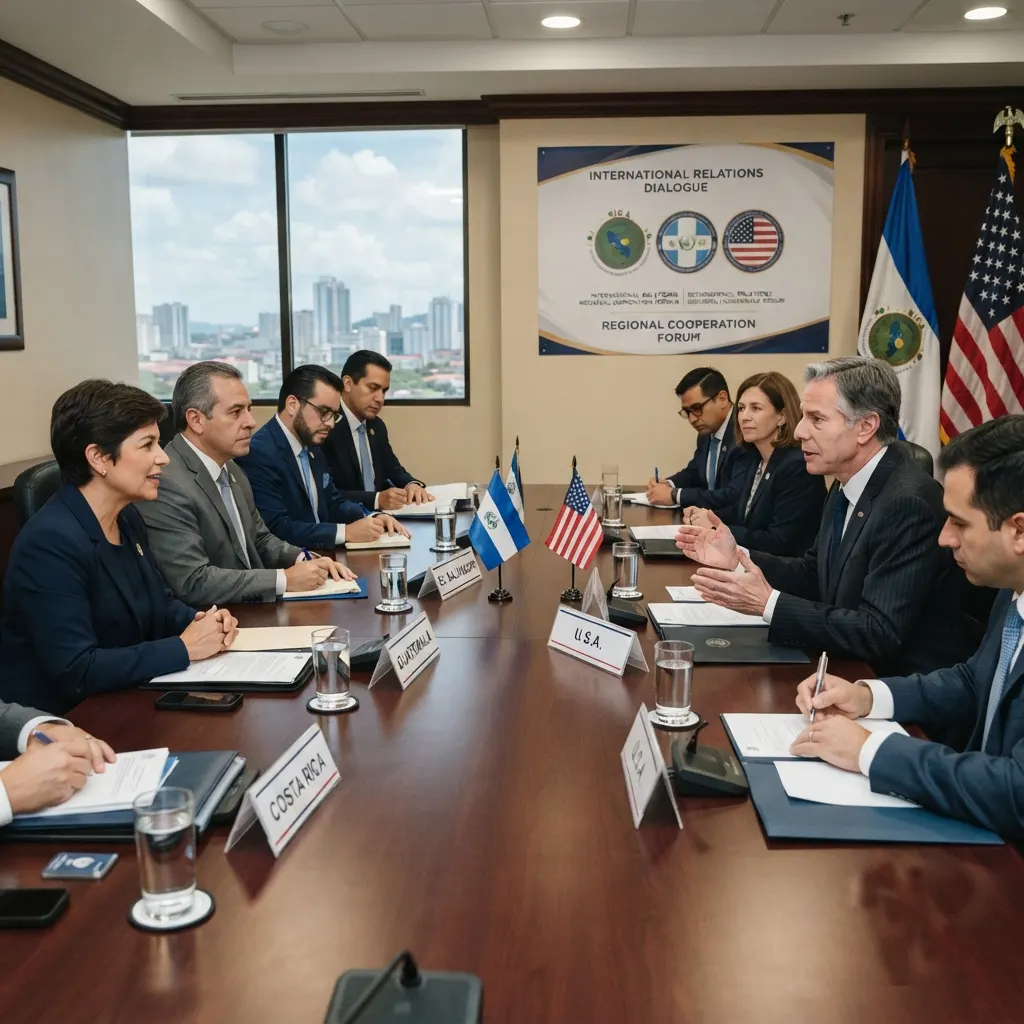
Washington may seek to balance diplomatic engagement with support for democratic institutions, regional security, and economic cooperation. International organizations, neighboring governments, and civil society groups are also likely to remain involved in monitoring political developments. Reports from the Center for Strategic and International Studies (CSIS) suggest that long-term regional stability depends on strengthening democratic institutions while addressing economic and social challenges.
Political shifts in Central America extend beyond domestic governance—they have the potential to influence migration patterns, trade partnerships, investment decisions, and regional diplomacy. As events continue to unfold, governments, businesses, and citizens across the Americas will be watching closely. The coming months may prove critical in determining how democratic institutions evolve and how regional cooperation shapes future economic and political stability.
#CentralAmerica #Democracy #USForeignPolicy #Migration #Trade #Geopolitics #LatinAmerica #WorldNews #Politics