

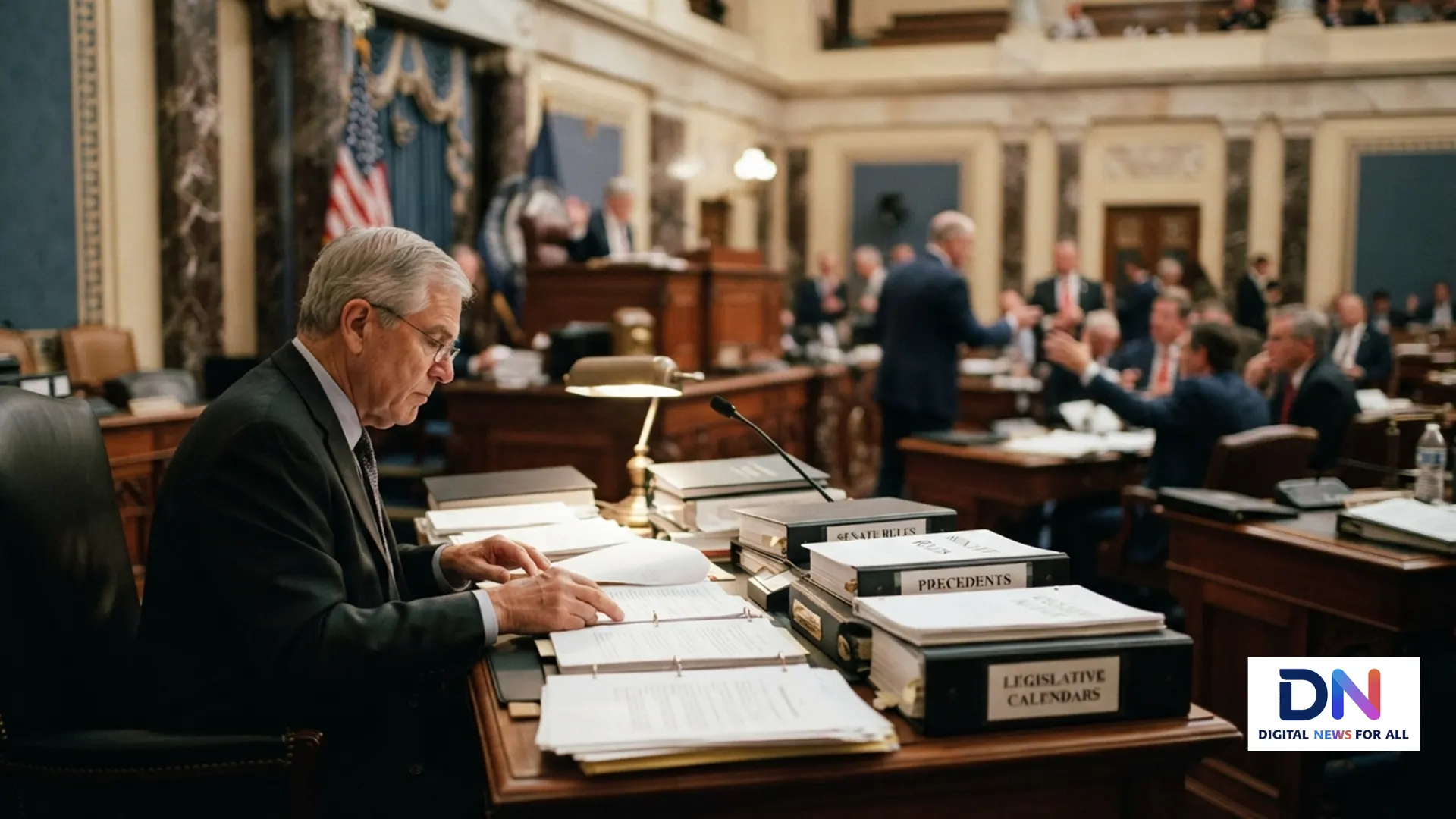
The Senate Parliamentarian has become an unlikely flashpoint in Washington as Republicans attempt to advance major parts of their legislative agenda through budget reconciliation. Critics argue that an unelected Senate official can derail priorities supported by elected lawmakers. But the Parliamentarian’s actual role is more limited—and more procedural—than the political rhetoric suggests.
What Does the Senate Parliamentarian Actually Do?
The Senate Parliamentarian advises the presiding officer, senators and congressional staff on the chamber’s rules, precedents and procedures. The U.S. Senate explains that the Parliamentarian’s office has advised the presiding officer on Senate precedents since 1935.
The office does not write legislation or cast votes. Instead, it provides procedural guidance. The Secretary of the Senate describes the Parliamentarian as an adviser on standing rules, precedents, unanimous-consent agreements and relevant public law.
Why the Byrd Rule Matters
The biggest battleground is often the Byrd Rule, which limits what lawmakers can include in reconciliation bills. Because reconciliation can allow legislation to advance under special Senate procedures, provisions generally must have a sufficient budgetary connection.
The Congressional Research Service says the Parliamentarian advises the presiding officer on applying the Byrd Rule and other Senate procedures during reconciliation. If a provision violates the rule, senators can face a point of order and may need to remove the provision or secure the votes necessary to overcome the procedural obstacle.
Recent GOP Battles Put the Office in the Spotlight
That tension became especially visible during Republican reconciliation efforts in 2026. Senate Democrats highlighted Parliamentarian guidance involving provisions concerning immigration spending and a proposed White House ballroom project. In those cases, provisions were described as potentially requiring a 60-vote threshold if they remained in the legislation.
The disputes demonstrate why the Parliamentarian can appear politically powerful. Yet the Congressional Budget Office emphasizes that it does not enforce the Byrd Rule. Responsibility for Senate rules rests with the Senate itself.
Is the Parliamentarian Actually Blocking the GOP?
Calling the Parliamentarian a partisan veto point can therefore oversimplify the process. The office interprets existing Senate rules and precedents. Elected senators ultimately determine whether to modify legislation, challenge procedural rulings or pursue another legislative route.
The Senate’s rules and procedures resources make clear that parliamentary procedure is deeply embedded in the chamber’s legislative system. The Congress.gov legislative database provides the public with access to bills, resolutions and congressional actions.
The Bigger Political Question
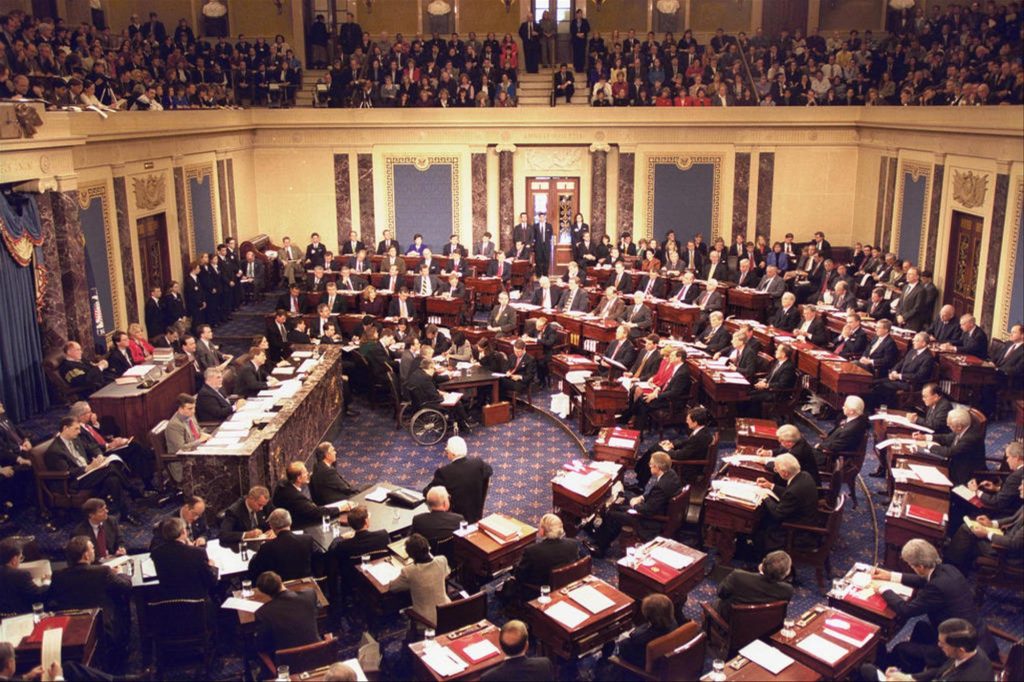
The real fight is not simply over one Senate official. It is about how aggressively a governing majority can use reconciliation while staying within Senate rules. Republicans can argue that procedural restrictions frustrate the voters’ mandate. Democrats can argue that the rules prevent reconciliation from becoming a vehicle for unrelated policy provisions.
Ultimately, the Senate Parliamentarian may influence which provisions survive, but elected senators remain responsible for the legislative strategy. The showdown is therefore less about an unelected official controlling Congress and more about the limits that senators themselves have placed on the Senate’s fast-track budget process.
Why This Matters for Americans
Every parliamentary dispute can affect taxes, spending, immigration, health care and federal programs. That makes an obscure Senate procedure a consequential part of the national political debate—and one worth watching as Republicans continue pushing their agenda.
#Senate #Congress #GOP #Republicans #Politics #WashingtonDC #ByrdRule #BudgetReconciliation #SenateParliamentarian #USPolitics