


Fresh concerns about the pace of U.S. economic growth are creating a political dilemma for Republicans heading toward the 2026 midterm elections. With consumers facing persistent cost pressures and economic momentum showing signs of moderation, lawmakers are divided over whether additional tax relief or government spending could provide a boost—or create new inflation and deficit risks.
Why Stimulus Is Back on the Agenda
Fiscal stimulus typically becomes more attractive when economic activity weakens. Tax reductions can leave households and businesses with more money to spend or invest, while targeted government spending can support demand and employment.
However, the Congressional Budget Office continues to emphasize the importance of federal borrowing and debt dynamics when evaluating fiscal policy. Additional stimulus could provide short-term support while increasing pressure on the federal deficit.
Republicans Face a Difficult Balancing Act
The Republican debate reflects competing priorities. Some lawmakers favor policies that could put more money into consumers’ and businesses’ hands before voters head to the polls. Others are concerned that another major fiscal package could undermine efforts to control inflation or accelerate the growth of federal debt.
The U.S. Treasury Department provides extensive information on federal tax policy and its relationship to economic activity, while the Federal Reserve remains responsible for monetary policy and decisions affecting interest rates and financial conditions.

Slower Growth Raises the Stakes
Economic growth is closely watched because a sustained slowdown can affect hiring, business investment and household confidence. The Bureau of Economic Analysis tracks gross domestic product and other indicators that provide a detailed picture of the U.S. economy.
A weaker growth environment could strengthen arguments for targeted relief. But policymakers must also consider whether additional demand would simply push prices higher, particularly in areas where supply remains constrained.
Consumers Will Be Watching Closely
For households, the potential impact depends heavily on the form of any stimulus. A broad tax cut could increase disposable income, while targeted measures could focus assistance on families, workers or specific industries.
Yet stimulus does not automatically translate into stronger purchasing power. If additional demand contributes to higher prices or borrowing costs, some of the benefit could be offset.
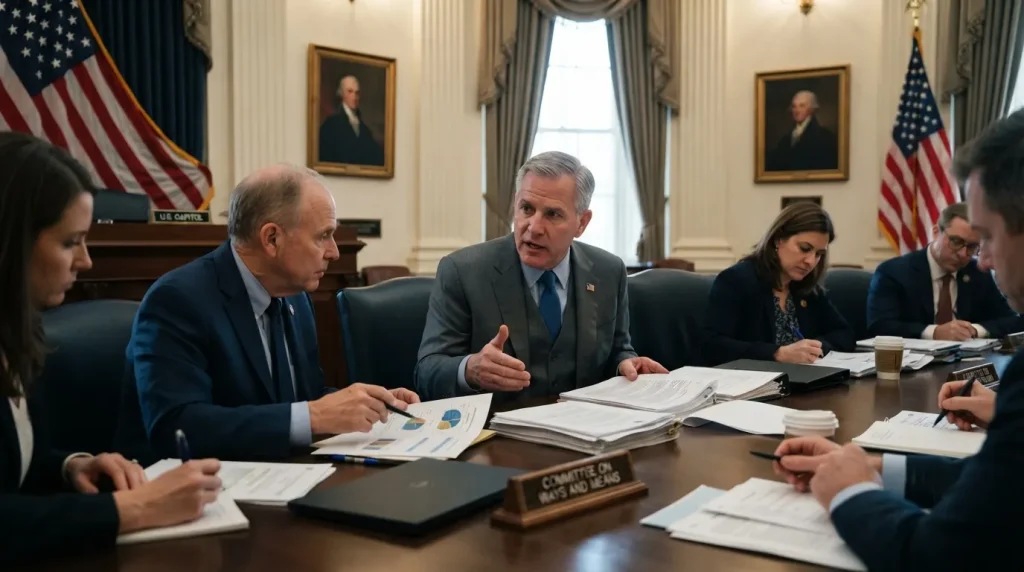
The 2026 Election Factor
The political calendar makes the debate especially sensitive. Fiscal measures announced before an election can be portrayed either as legitimate economic support or as politically motivated spending, depending on the perspective of voters and opponents.
That means Republicans face a complicated calculation: provide enough support to strengthen economic confidence without appearing to ignore inflation, debt or long-term fiscal sustainability.
What Happens Next?
The direction of the U.S. economy will likely determine how much political momentum a stimulus proposal gains. If growth deteriorates significantly, calls for action could become louder. If inflation remains elevated, however, fiscal restraint may become more attractive.
Ultimately, the Republican stimulus debate highlights a broader economic challenge: how to support growth without reigniting inflation or adding unsustainable pressure to the federal balance sheet. As the 2026 elections approach, voters will be watching both the economic data and Washington’s response.
#USPolitics #Republicans #EconomicGrowth #Stimulus #EconomicStimulus #USEconomy #Economy #Inflation #TaxCuts #FederalSpending #FederalDebt #FiscalPolicy #EconomicNews #PoliticalNews #2026Elections #USNews #BusinessNews