


The final weeks of summer can be particularly frustrating for household budgets. Temperatures remain high, air conditioners work overtime and electricity consumption can climb quickly. The good news is that homeowners don’t necessarily need to sacrifice comfort to lower their summer energy bill.
Raise the Thermostat Slightly
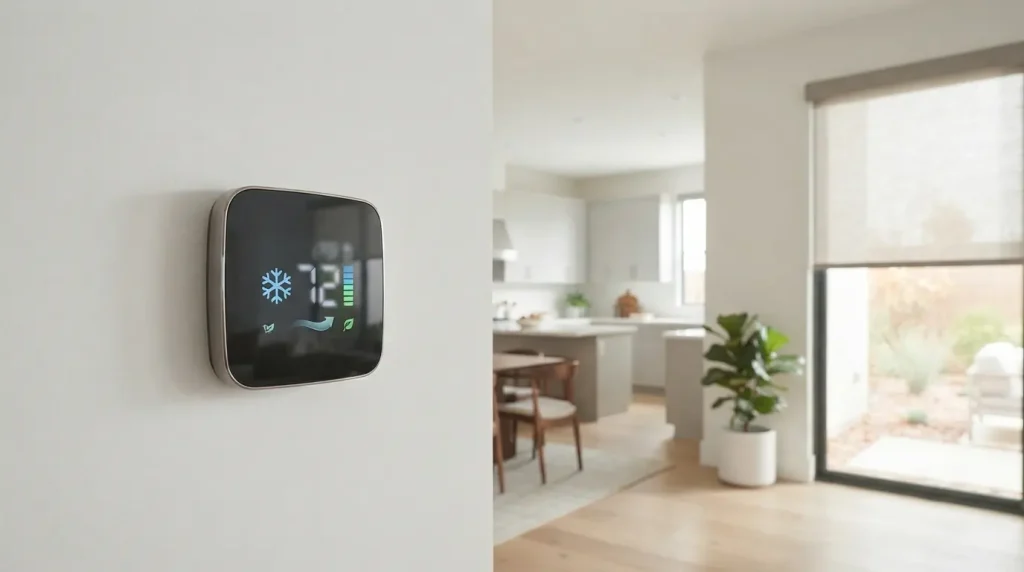
Air conditioning is often one of the biggest electricity users in a home. Setting the thermostat a few degrees higher when you’re sleeping or away can reduce cooling demand while keeping the house comfortable.
The U.S. Department of Energy recommends using programmable or smart thermostat settings to automatically adjust indoor temperatures according to your schedule.
Give Your Air Conditioner Some Help
A cooling system cannot operate efficiently when airflow is restricted. Check the manufacturer’s recommendations and replace or clean your HVAC filter when necessary. Keeping vents unobstructed can also help conditioned air circulate more effectively.
The ENERGY STAR guide recommends regular maintenance and professional servicing to help air-conditioning systems operate efficiently.
Block the Afternoon Sun
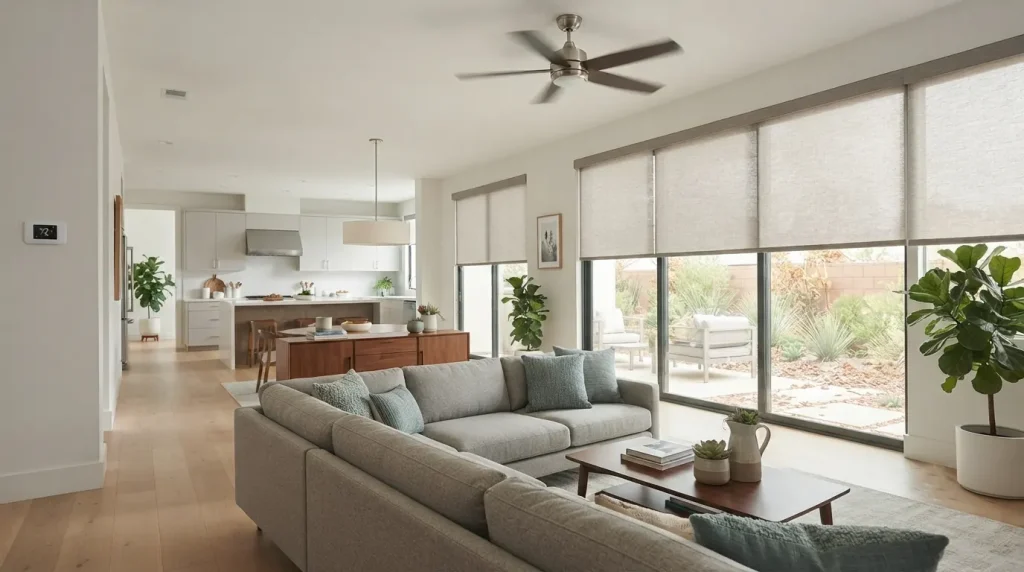
Direct sunlight can dramatically increase indoor heat, forcing your AC to work harder. Close blinds or curtains on windows receiving strong afternoon sunlight. Exterior shading, awnings and strategically planted trees can provide additional protection over time.
The Department of Energy’s window guidance explains how window treatments and shading strategies can reduce unwanted solar heat gain.
Use Fans Strategically
Ceiling and portable fans can make people feel cooler without necessarily lowering the room’s actual temperature. This allows some households to raise the thermostat while maintaining similar comfort.
Remember to turn fans off when rooms are unoccupied. Fans cool people, not empty rooms.
Reduce Heat From Appliances
Ovens, dryers and other heat-producing appliances can increase indoor temperatures during the hottest part of the day. When practical, cook outdoors, use smaller countertop appliances or run heat-producing appliances later in the evening.
The ENERGY STAR home-efficiency guidance also emphasizes reducing unwanted heat transfer and improving the overall efficiency of the home.
Check for Air Leaks
Small gaps around doors, windows and other openings can allow cooled air to escape. Weatherstripping and caulking inexpensive problem areas can improve comfort and reduce unnecessary cooling demand.
Make the Last Weeks of Summer Count
You don’t need an expensive home renovation to reduce electricity consumption before summer ends. Small changes—adjusting the thermostat, maintaining the AC, blocking sunlight, using fans wisely and limiting indoor heat—can collectively make a meaningful difference.
Energy savings are also highly dependent on your home’s size, climate, equipment and electricity rates. The best approach is to identify where your household uses the most energy and focus on those areas first. With a few practical adjustments, you can stay comfortable while giving your summer energy bill a final-season break.
#EnergySaving #SummerSavings #LowerEnergyBills #ElectricitySavings #HomeEnergy #ACEfficiency #EnergyEfficiency #SummerHeat #SaveMoney #HomeCooling #SmartHome #HVAC #EnergyTips #HomeImprovement #PersonalFinance