

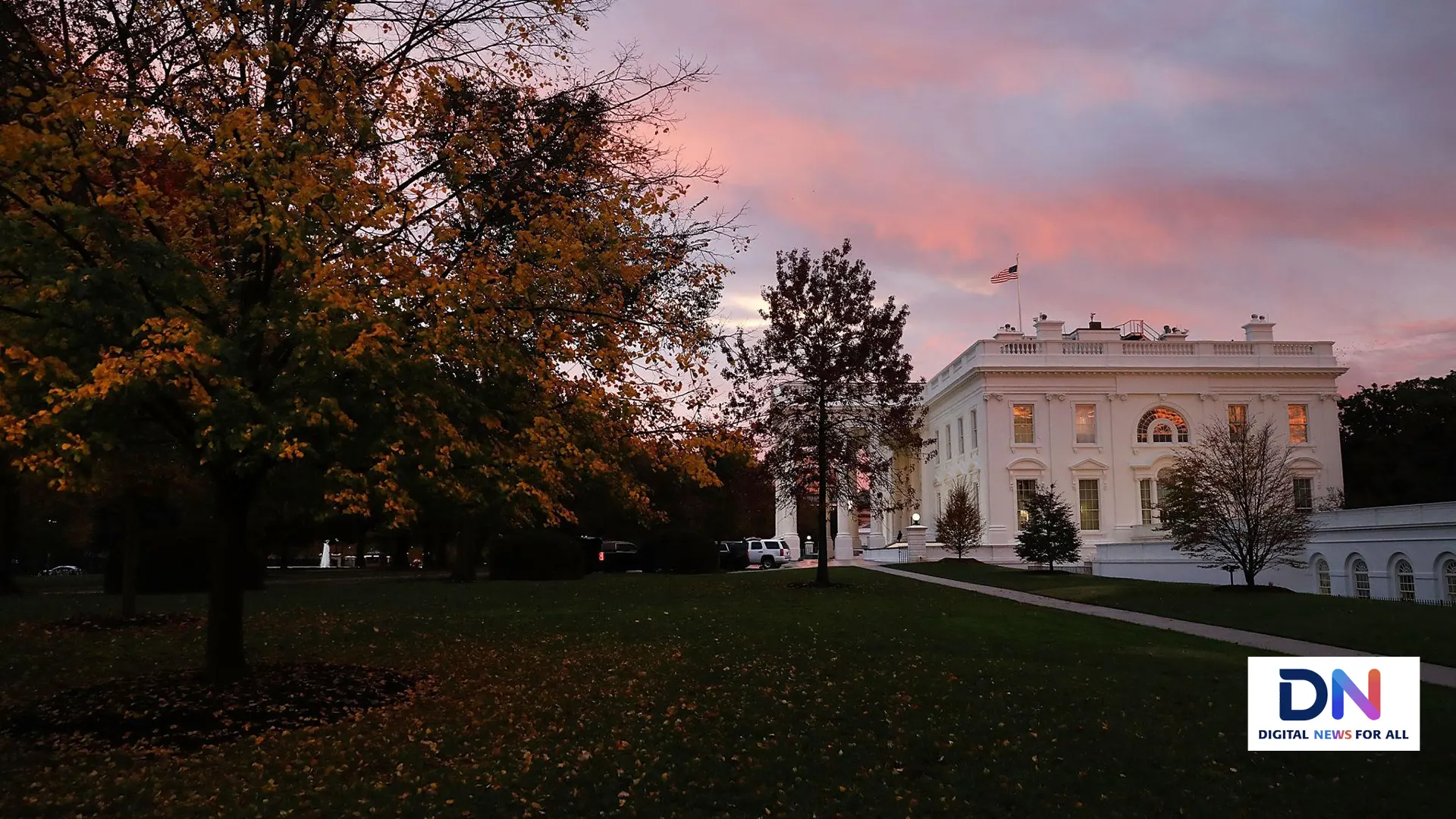
Russia sanctions have become a fresh political flashpoint as President Donald Trump pauses major new measures against Moscow just weeks before the November 3, 2026, US midterm elections. The decision raises questions about fuel prices, support for Ukraine, and the political calculations shaping Washington’s foreign policy.
Why Trump Paused the New Sanctions
On October 16, Trump signed an executive order waiving many sanctions, restrictions, and tariffs established under the Lindsey O. Graham Sanctioning Russia and Iran Act of 2026. The president cited US national interests and submitted a certification to Congress supporting the waiver.
Read the official White House executive order for the legal details. The decision pauses major provisions of the new law, but it does not automatically erase all existing US sanctions against Russia.
According to Associated Press reporting published by The Washington Post, the move came shortly before the law’s implementation deadline. The legislation was designed to increase economic pressure on Russia over its war against Ukraine.
Fuel Prices and the Midterm Election
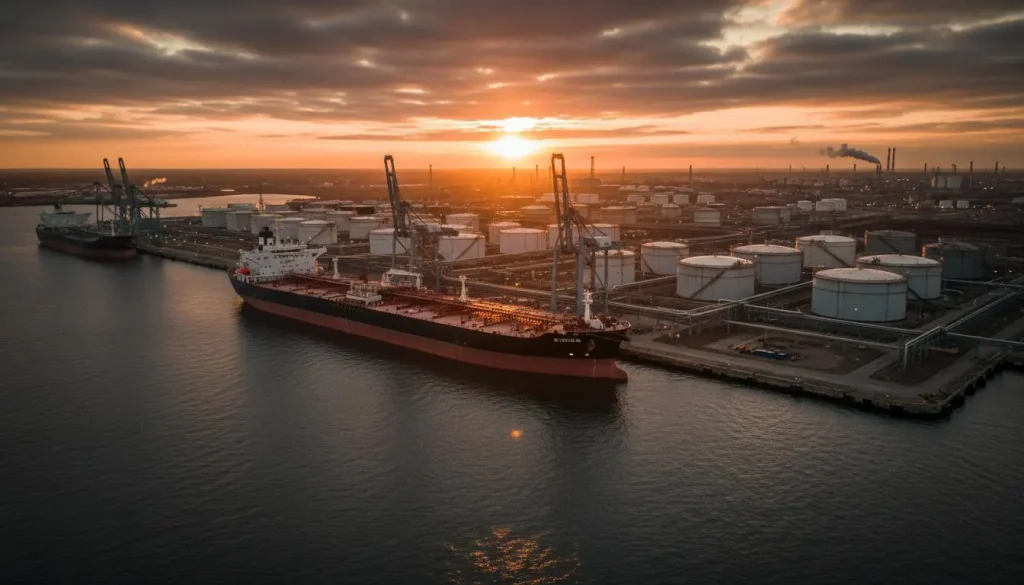
Energy costs are central to the political debate. Higher fuel prices can squeeze household budgets and influence how voters judge the administration’s economic performance. Easing certain restrictions could offer Washington more flexibility in managing energy supplies, although the actual effect on prices remains uncertain.
The Financial Times reported that the administration was also weighing possible changes involving Russia-linked oil tankers. However, removing restrictions alone would not guarantee lower diesel prices, which depend on global supply, shipping costs, refining capacity, and geopolitical risks.
For election context, Reuters reporting on the midterm campaign highlights the political pressure surrounding the cost of living and control of Congress.
Ukraine Policy Faces Renewed Scrutiny
The sanctions pause has also raised concerns among supporters of Ukraine, who argue that economic pressure can limit Moscow’s ability to finance its military campaign. Critics see the reversal as a setback for bipartisan efforts to hold Russia accountable.
The Guardian’s report describes the political dispute surrounding the suspension. Meanwhile, the US Treasury’s sanctions program information provides broader context on the measures Washington maintains against foreign governments and entities.
Importantly, the executive order leaves existing measures outside its specific waivers in place. The scope of the pause therefore matters more than a simple claim that all Russia sanctions have ended.
What Happens Next?
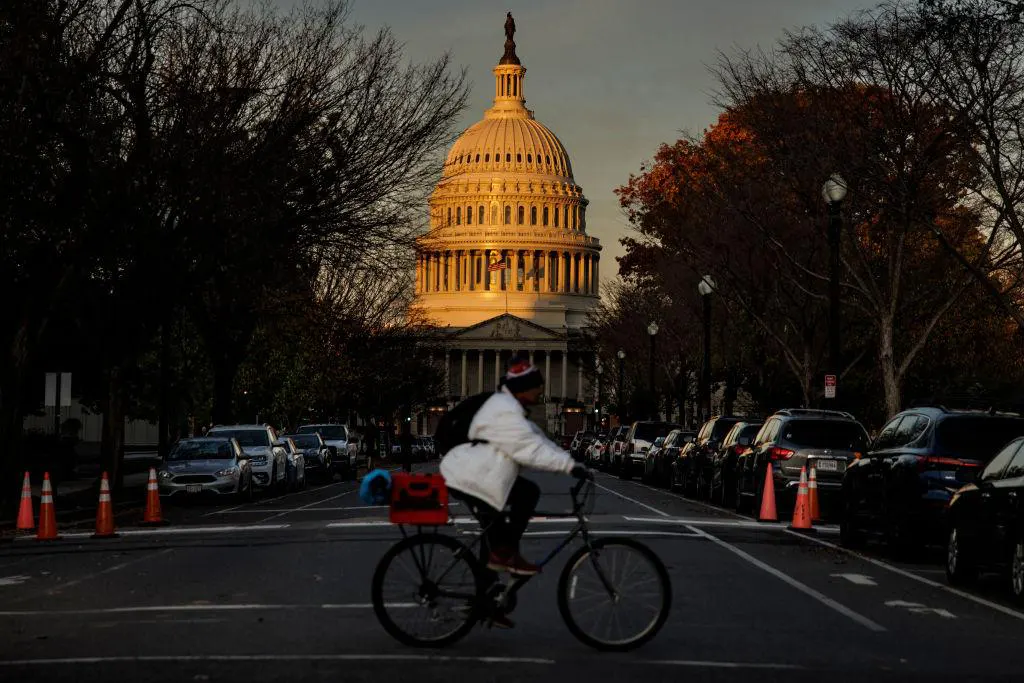
As November 3 approaches, voters and lawmakers will watch for changes in fuel costs, developments in the Ukraine war, and any further adjustments to US sanctions policy. The administration must balance economic concerns with diplomatic pressure and national security priorities.
The immediate political impact remains uncertain. Still, the decision puts Russia policy firmly into the midterm debate, where energy affordability, foreign policy, and presidential leadership may all influence voter choices.
Follow Digital News 4 All for updates on US politics, the economy, and global affairs.
#Trump #RussiaSanctions #MidtermElections #USPolitics #UkraineWar #GlobalEconomy #EnergyPrices #ForeignPolicy #BreakingNews