

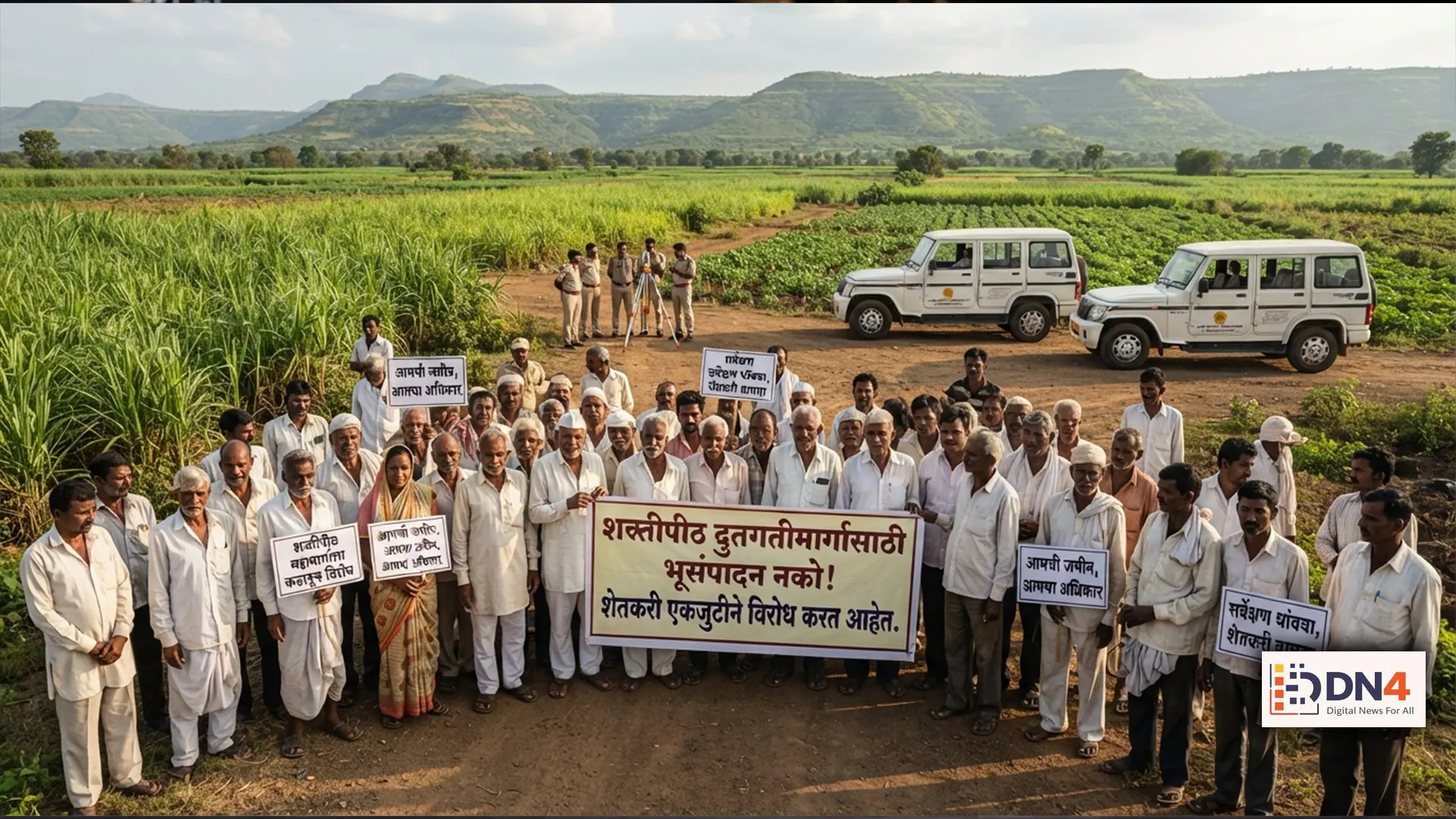
The proposed Shaktipeeth Expressway, one of Maharashtra’s ambitious infrastructure projects, has become the center of growing protests as farmers across several districts oppose government land surveys linked to the planned corridor. While the state government argues that the expressway will improve regional connectivity and boost economic development, many landowners fear losing fertile agricultural land and question whether compensation and rehabilitation measures will be adequate.
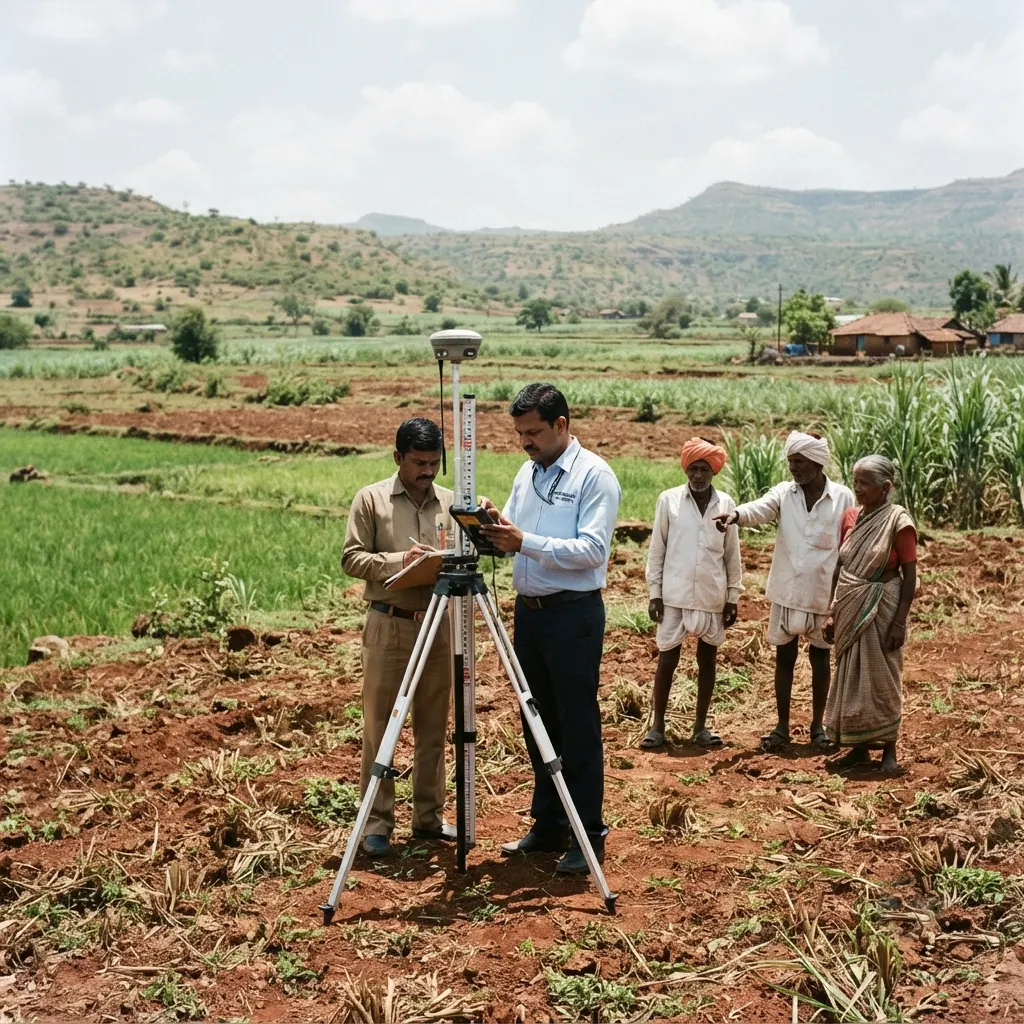
The controversy has intensified as survey teams have begun visiting villages to identify land parcels required for the proposed highway. Farmer organizations claim that surveys are being conducted before adequate consultations with affected communities, leading to demonstrations and calls for greater transparency.
What Is the Shaktipeeth Expressway?
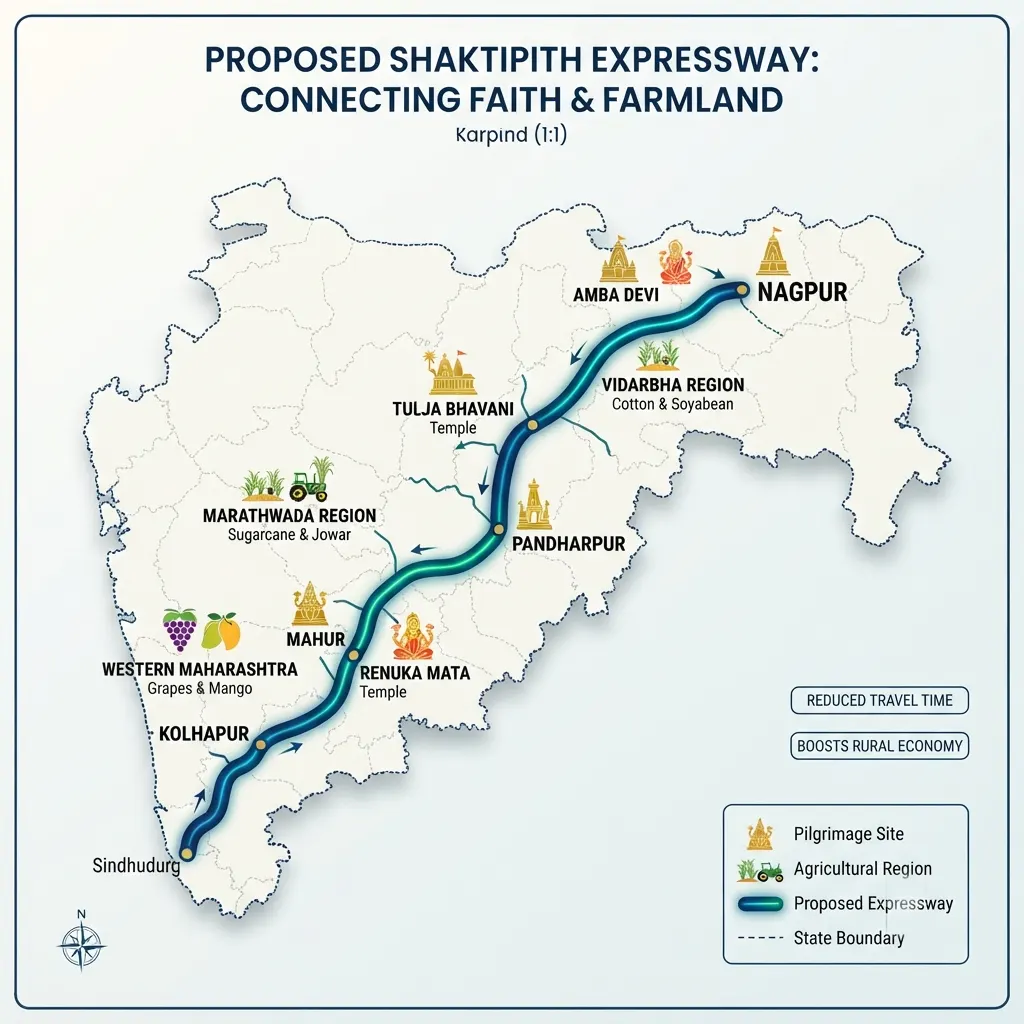
The Shaktipeeth Expressway is a proposed high-speed road intended to connect several important religious destinations and improve transportation across Maharashtra. According to the state government, the project aims to reduce travel time, promote tourism, encourage industrial investment, and strengthen regional economic growth. However, like many large infrastructure projects, it requires significant land acquisition.
Why Are Farmers Opposing the Surveys?
Many farmers say their livelihoods depend entirely on the agricultural land identified during preliminary surveys. They argue that productive farmland cannot easily be replaced and fear long-term financial uncertainty despite promises of compensation.
- Concerns over compulsory land acquisition.
- Questions about compensation rates.
- Potential displacement of farming families.
- Loss of fertile agricultural land.
- Demand for wider public consultation before project approval.
Government’s Position
State officials maintain that the current activity involves preliminary surveys rather than immediate acquisition. Authorities say surveys help determine the project’s feasibility and assure that compensation will follow legal procedures if land acquisition moves forward. Officials also argue that improved highways can generate employment opportunities, enhance logistics, and benefit regional development.
Growing Political Debate
The issue has also entered Maharashtra’s political landscape, with opposition leaders supporting protesting farmers while the government continues to defend the project’s long-term economic benefits. Several farmer unions have announced peaceful demonstrations and requested detailed discussions before additional surveys proceed.
What Happens Next?
The future of the Shaktipeeth Expressway will likely depend on continued negotiations between government officials, local communities, and farmer organizations. Public consultations, environmental assessments, compensation packages, and legal reviews are expected to play an important role before construction can begin.
For residents living along the proposed route, the coming months will be crucial. While infrastructure development remains a priority for Maharashtra, balancing economic progress with the rights and livelihoods of farming communities will determine whether the project moves forward smoothly or continues to face widespread opposition.
For official updates, readers can refer to the Maharashtra Public Works Department, review land acquisition provisions under the Department of Land Resources, follow notifications issued by the Government of Maharashtra, understand compensation guidelines through the Right to Fair Compensation Act, review environmental regulations from the Ministry of Environment, Forest and Climate Change, and monitor infrastructure policy updates from NITI Aayog.
#ShaktipeethExpressway #FarmersProtest #Maharashtra #Infrastructure #LandSurvey #Agriculture #IndiaNews #Expressway #Development