

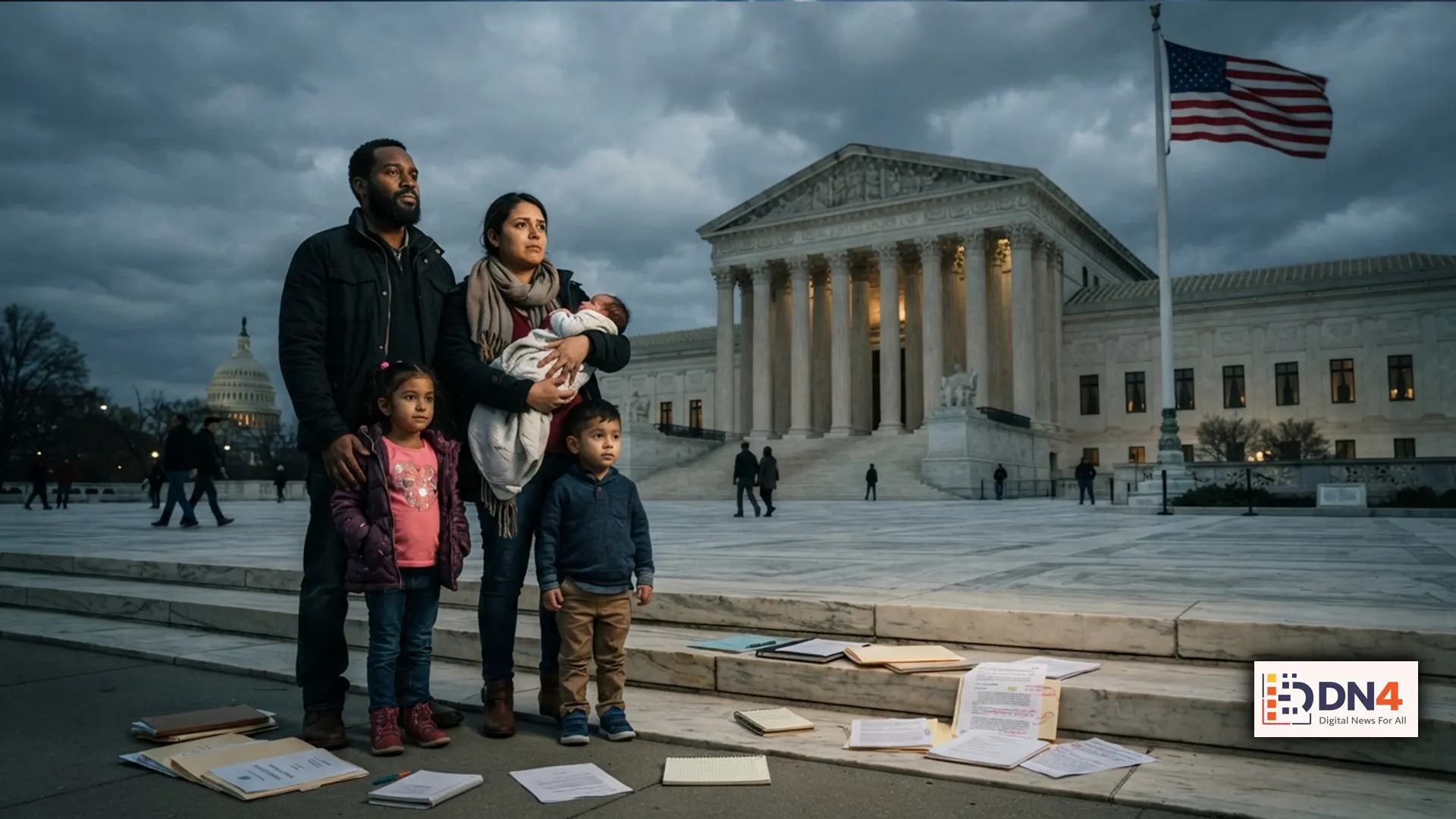
Birthright citizenship remains protected in the United States, but the legal battle is not over. Recent court decisions have rejected major efforts to restrict citizenship for children born in the country, while new executive actions have triggered another round of litigation.
What Did the Supreme Court Decide?
On June 30, 2026, the U.S. Supreme Court ruled in Trump v. Barbara that children born in the United States to parents who are unlawfully or temporarily present are generally subject to U.S. jurisdiction and receive citizenship at birth under the Fourteenth Amendment. The decision rejected the administration’s attempt to use Executive Order 14160 to create new restrictions based on the immigration status of parents.
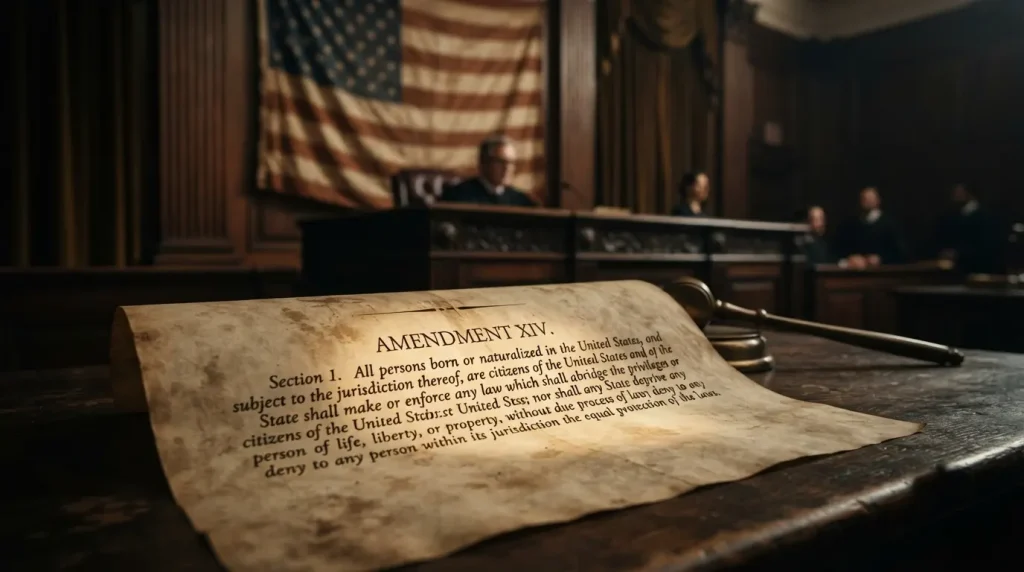
The Fourteenth Amendment’s Citizenship Clause states that people born or naturalized in the United States, and subject to its jurisdiction, are citizens. The National Archives identifies this provision as a central part of the constitutional amendment adopted in 1868.
Why Is the Issue Back in Court?
The administration continued pursuing restrictions through new executive actions in August 2026. Executive Order 14418 sought to address certain categories of children whose parents are not U.S. citizens, while Executive Order 14419 focused specifically on so-called birth tourism.
On September 2, a federal judge in Maryland issued a preliminary injunction blocking enforcement of the latest birthright-citizenship restrictions. The court relied heavily on the Supreme Court’s recent decision and longstanding constitutional precedent.
What Does This Mean for Families?
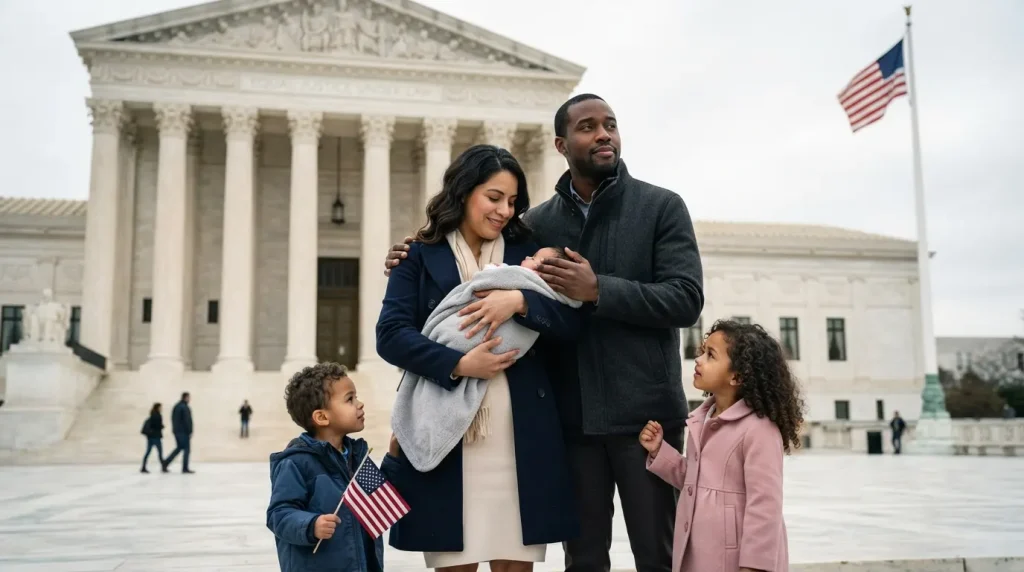
For now, the practical rule remains largely unchanged: a child born in the United States generally acquires U.S. citizenship at birth, regardless of whether the parents are citizens, permanent residents, or temporarily or unlawfully present. There are narrow historical exceptions, including certain children of foreign diplomats.
Families should continue maintaining official birth records and other citizenship evidence. The U.S. Department of State recognizes a qualifying U.S. birth certificate as primary evidence of citizenship when applying for a passport.
Could the Rules Change Again?
Yes. The latest injunction does not permanently end the broader political and legal debate. Further appeals and lawsuits could follow, and Congress could also become involved. However, changing the constitutional meaning of birthright citizenship would present a much larger legal hurdle than issuing an executive order.
Birthright citizenship is currently protected, but the issue remains politically and legally contested. Anyone facing a specific citizenship or immigration problem should consult a qualified U.S. immigration attorney rather than relying solely on general news reports.
- U.S. Supreme Court: Trump v. Barbara decision
- National Archives: Fourteenth Amendment
- National Archives: Citizenship FAQ
- White House: Executive Order 14418
- White House: Executive Order 14419
- U.S. Department of State: Citizenship Laws and Policy
- U.S. Department of State: Citizenship Evidence
- U.S. Department of State: Visa FAQ and U.S. Citizenship
#BirthrightCitizenship #USCitizenship #Immigration #SupremeCourt #FourteenthAmendment #TrumpvBarbara #USPolitics #ImmigrationLaw #AmericanLaw #LegalNews #BreakingNews