
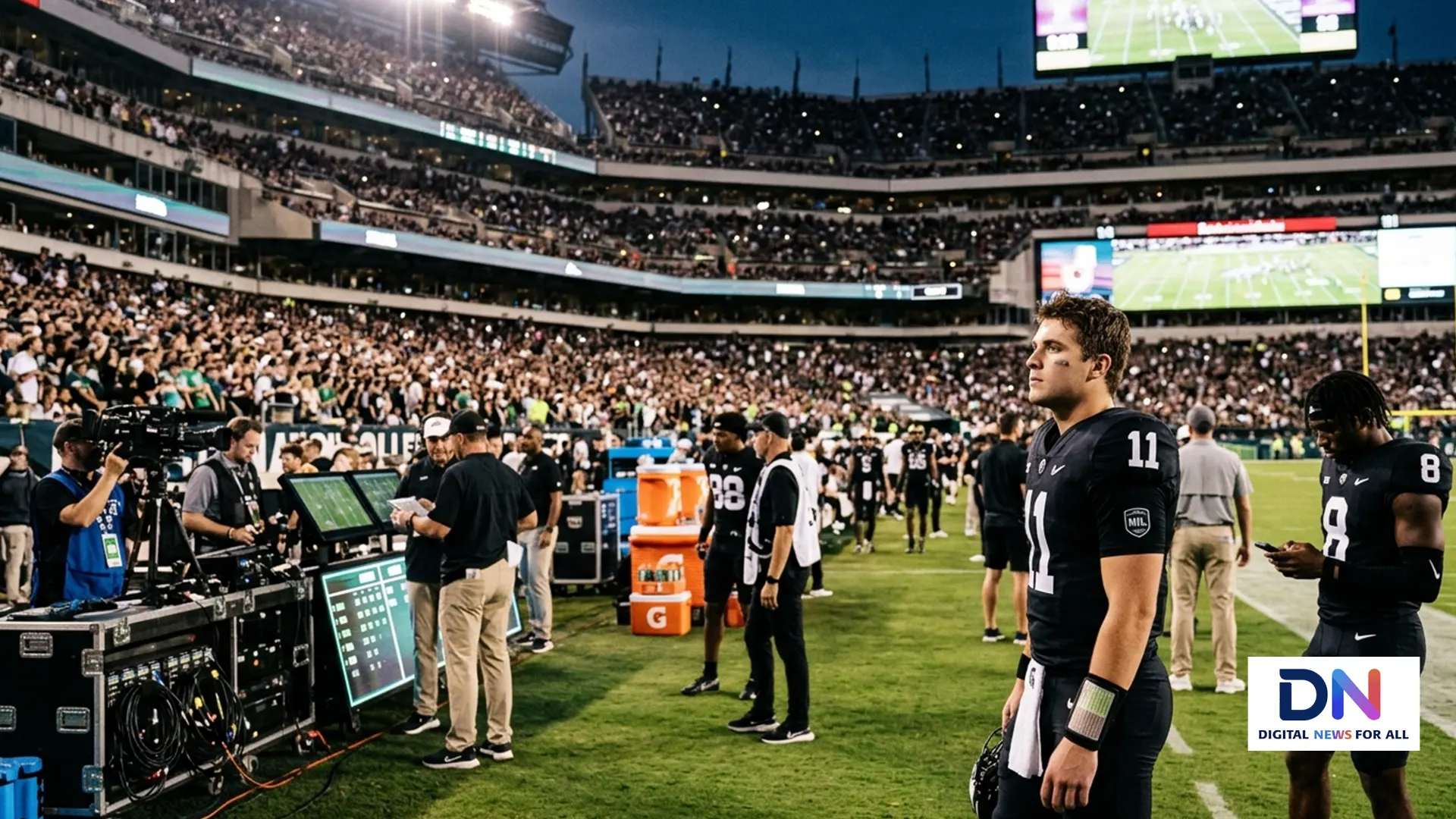
NCAA NIL deals are reshaping college sports, giving student-athletes new ways to earn money while creating fresh challenges for schools, sponsors, and regulators. As the 2026 season progresses, growing deal volumes and tighter compliance reviews are placing the system under pressure.
NIL Money Is Flowing at Record Levels
The scale of the market is clear. According to the College Sports Commission (CSC), its NIL Go clearinghouse approved 12,283 third-party deals worth approximately $227.25 million between July 1 and August 31, 2026. During the same period, 484 deals worth $67.08 million were not cleared.
The figures, reported in the commission’s September update, show how quickly the review system is expanding. The platform had cleared 46,478 deals worth about $582.49 million since its launch in June 2025, while 2,296 deals worth $156.93 million had not been cleared. These figures cover submitted third-party deals, not every form of athlete compensation.
Read the Associated Press report on NIL deal growth for additional context.
Why NIL Deal Reviews Are Complicated
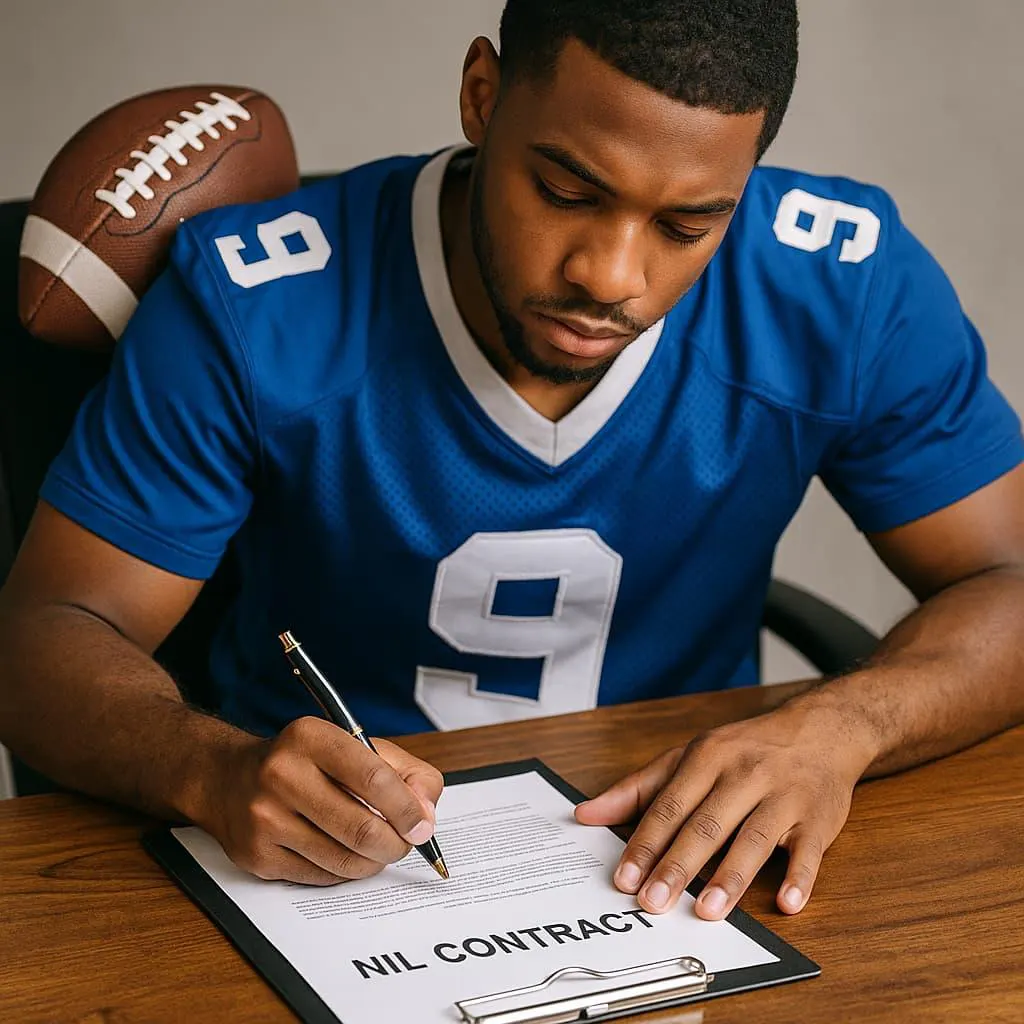
Under the post-settlement Division I framework, schools can provide direct athlete benefits within applicable limits. Third-party NIL agreements face a separate review process. Deals must have a legitimate commercial purpose, such as promoting a product or service, and compensation must meet the relevant standards.
The NCAA’s NIL guidance explains that endorsements, promotional appearances, and social media campaigns can qualify. Payments that simply reward an athlete for attending or competing for a particular school are not legitimate NIL compensation under the rules.
These distinctions can become difficult when a deal involves a school-linked collective, donor, or commercial partner. The CBS Sports report on clearinghouse pressure described concerns about rising submissions and review delays.
Compliance Can Affect Athletes and Schools
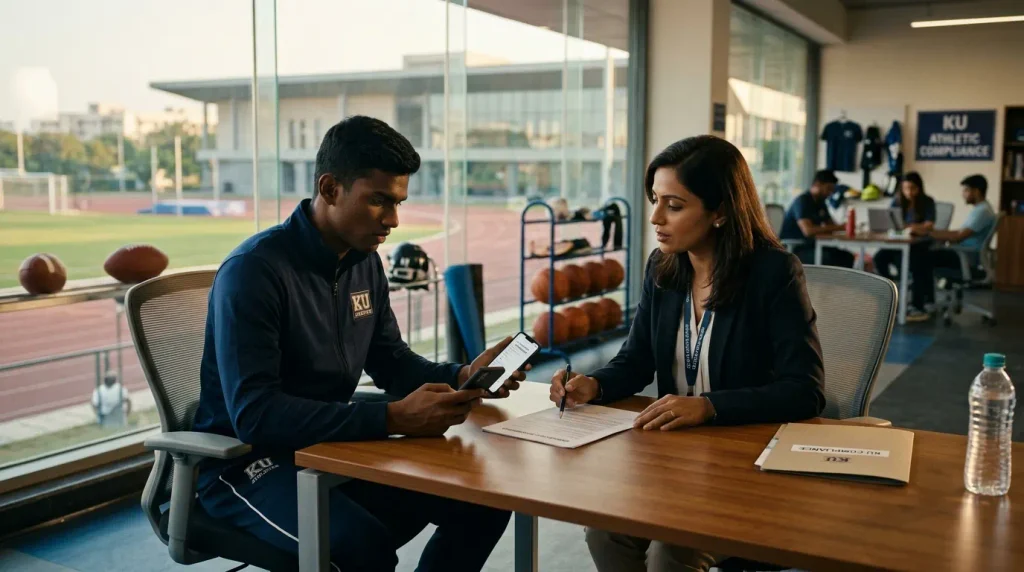
For athletes, an uncleared agreement can create uncertainty about payment and contractual obligations. Schools and sponsors must also ensure that agreements contain clear deliverables, accurate documentation, and a defensible business purpose.
The NCAA’s published NIL rule materials outline reporting and review requirements. Athletes should consult their compliance departments before signing or changing agreements, particularly during recruitment and transfers.
What Happens Next?
The challenge is balancing athlete earning opportunities with transparent, consistently enforced standards. More efficient reviews could reduce uncertainty, but the system also needs clear explanations when deals are rejected or additional documentation is requested.
The Reuters legal analysis of NIL one year after the House settlement examines how the framework is evolving. Meanwhile, athletes, universities, and sponsors will be watching how review decisions affect the market throughout the season.
NIL has expanded athletes’ ability to benefit financially from their public profiles. Its long-term credibility, however, will depend on fair reviews, meaningful commercial agreements, and rules that participants can understand and follow.
#NCAA #NIL #CollegeFootball #CollegeSports #StudentAthletes #SportsBusiness #NILDeals #NILGo #SportsNews