

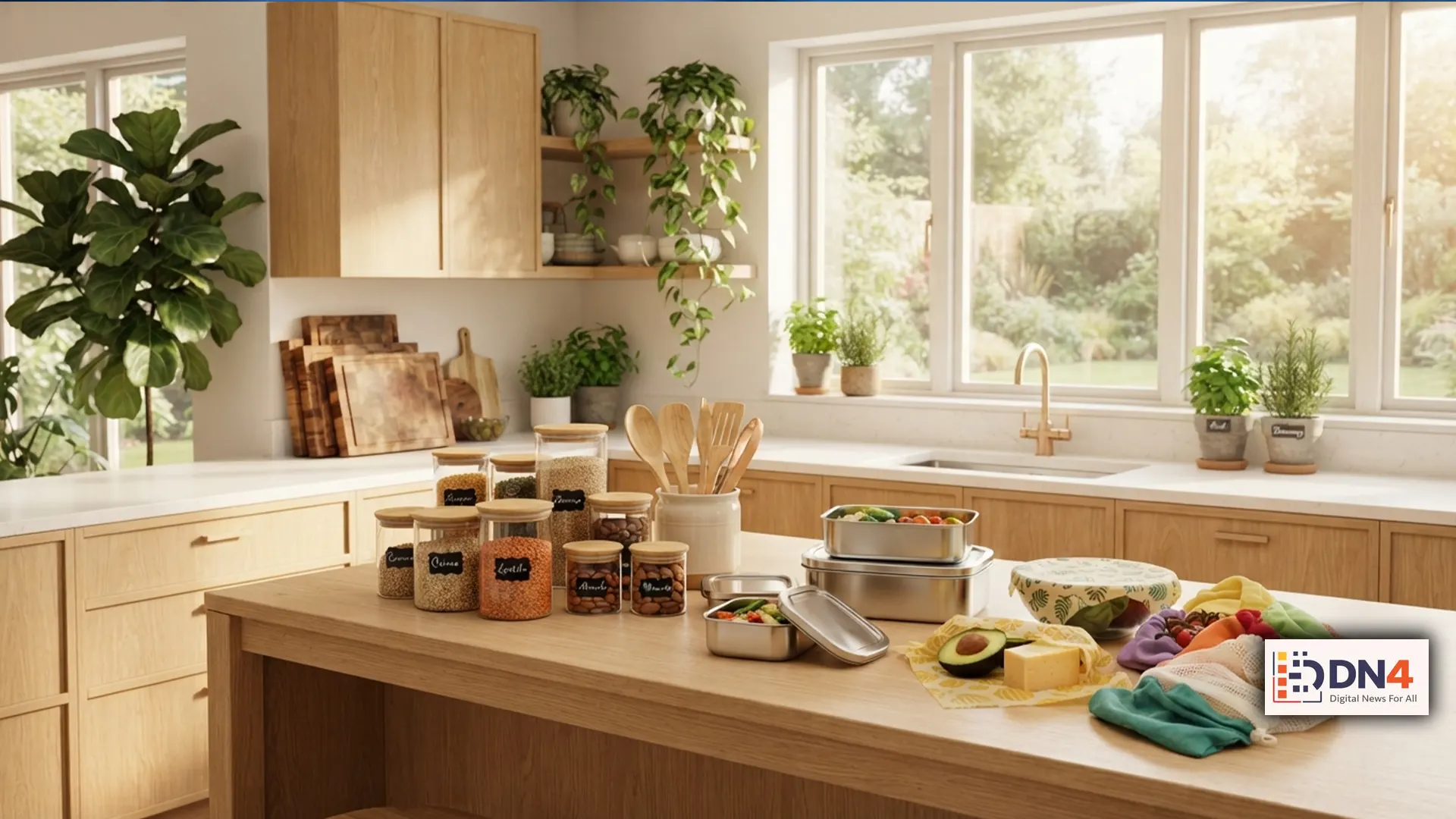
Creating a more sustainable kitchen doesn’t require a complete renovation. In fact, replacing a few everyday plastic items with reusable alternatives can significantly reduce household waste while saving money over time. Whether you’re beginning a zero-waste journey or simply looking for practical eco-friendly upgrades, these simple plastic-free swaps are easy to make in just one weekend.
Environmental organizations like the United Nations Environment Programme (UNEP) encourage reducing single-use plastics as an important step toward protecting ecosystems and minimizing pollution.
1. Replace Plastic Food Containers with Glass
Glass containers are durable, microwave-safe, recyclable, and don’t absorb stains or food odors like plastic alternatives.
2. Switch to Beeswax Food Wraps
Reusable beeswax wraps provide an eco-friendly alternative to plastic wrap while keeping fruits, vegetables, and sandwiches fresh.
3. Use Reusable Produce Bags
Cloth mesh produce bags eliminate the need for disposable plastic bags when shopping for fresh fruits and vegetables.
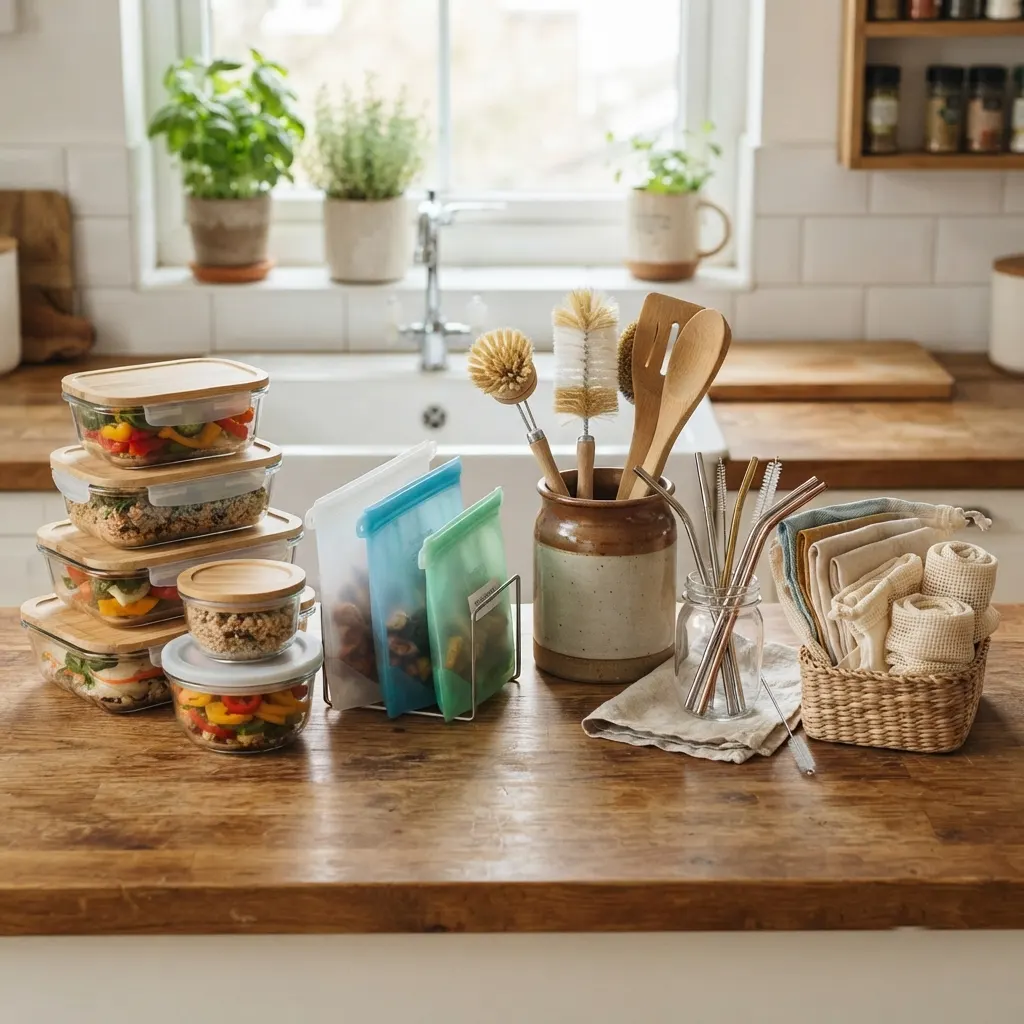
4. Choose Bamboo Dish Brushes
Instead of plastic scrubbers, bamboo brushes offer biodegradable handles with replaceable natural bristles.
5. Upgrade to Stainless Steel Water Bottles
Reusable bottles reduce plastic waste while helping keep beverages hot or cold for longer periods.
6. Store Dry Foods in Glass Jars
Glass jars make pantry organization easier while protecting grains, pasta, coffee, and spices from moisture.
7. Replace Plastic Utensils with Bamboo or Wood
Wooden cooking utensils are long-lasting, naturally attractive, and gentler on non-stick cookware.
8. Compost Kitchen Scraps
Adding a countertop compost bin helps divert food waste from landfills while creating nutrient-rich compost for gardens.
9. Swap Plastic Sponges for Natural Alternatives
Plant-based dishcloths and compostable sponges reduce synthetic waste while remaining highly effective for everyday cleaning.
10. Buy Refill Products When Possible
Many local stores now offer refill stations for household cleaners, dish soap, and pantry staples, helping reduce unnecessary plastic packaging.
The U.S. Environmental Protection Agency (EPA) recommends reducing, reusing, and recycling as the foundation of responsible household waste management, while the World Wildlife Fund (WWF) continues advocating for reduced plastic pollution to protect wildlife and marine ecosystems.

Why Small Changes Matter
One plastic container may seem insignificant, but replacing frequently used disposable products with reusable alternatives can dramatically reduce household waste over the course of a year. Sustainable living isn’t about perfection—it’s about making consistent improvements that benefit both your home and the environment.
Building a plastic-free kitchen doesn’t have to happen overnight. By making a few thoughtful swaps each weekend, you’ll gradually create a healthier, more organized, and environmentally friendly space. Every reusable item helps reduce plastic waste while supporting a more sustainable future for generations to come.
#PlasticFree #SustainableLiving #EcoFriendly #ZeroWaste #GreenLiving #KitchenTips #EcoHome #Sustainability