

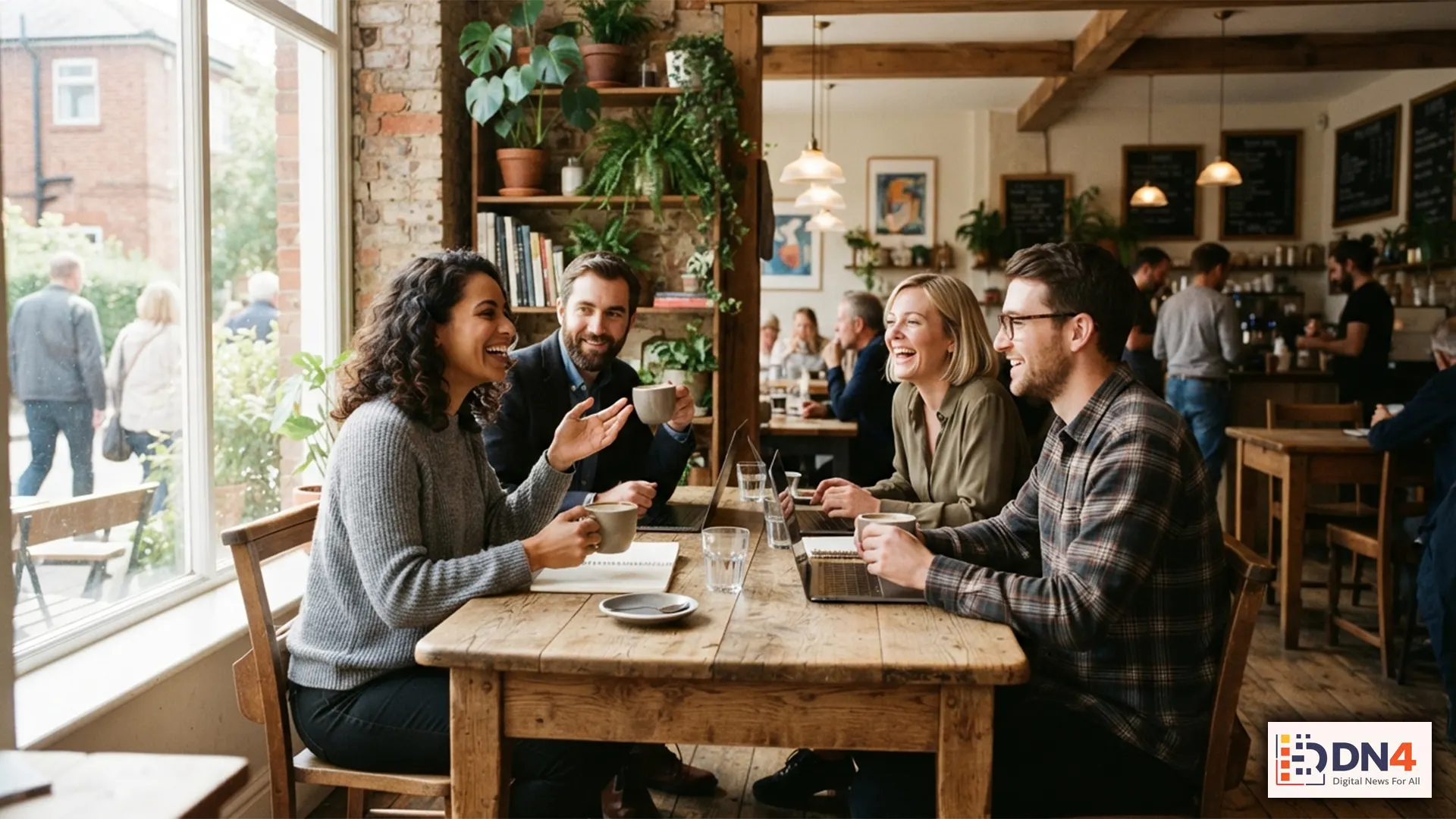
Across major cities, a quiet rebellion against hustle culture is taking hold. Urban professionals who once measured worth in notifications and late-night emails are now trading scroll time for neighborhood cafés, community gardens, and corner bookshops. This is slow living — not a retreat from the city, but a more intentional way of belonging to it.
Why the Pace Is Changing
Burnout and digital fatigue have pushed many professionals to reassess how they spend unstructured time. Rather than optimizing every hour, people are carving out space for presence. That means a slow coffee, a walk with no destination, a conversation with a neighbor. This isn’t anti-ambition — it’s a rebalancing of pace and purpose in daily life.
The Return of the “Third Place”
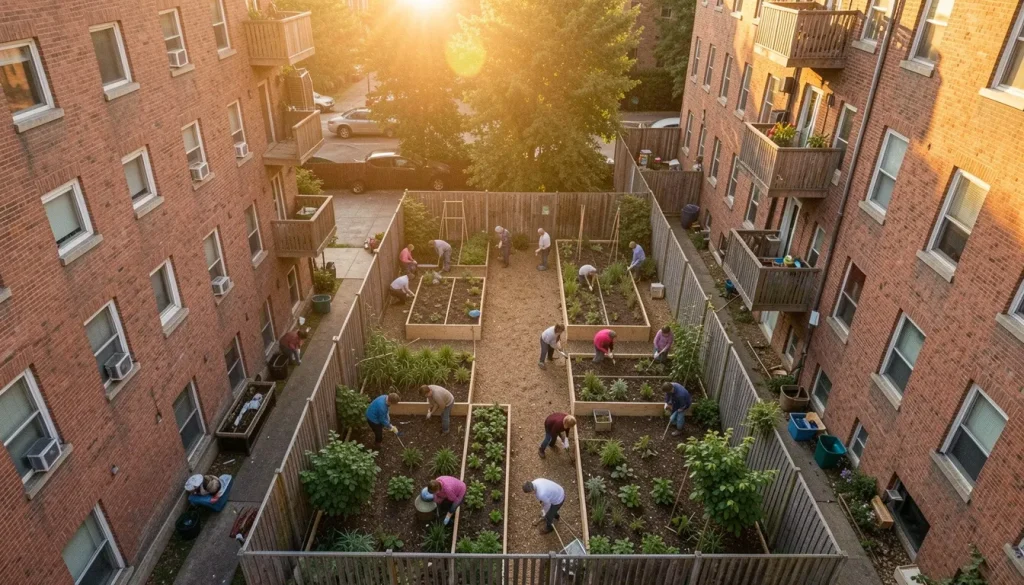
Sociologist Ray Oldenburg’s concept of the third place — a social setting separate from home and work — is having a resurgence. Brookings Institution research shows these informal gathering spots, from coffee shops to rec centers, remain some of the most effective ways to stabilize and connect neighborhoods. The Urban Institute similarly points to public third places as essential infrastructure for civic life, even as funding and upkeep struggle to keep pace with demand.
The Health Case for Slowing Down
This isn’t just cultural preference — it’s public health. The U.S. Surgeon General’s advisory on loneliness and isolation identifies weak social infrastructure as a major driver of poor health outcomes, and calls for strengthening the parks, libraries, and gathering spaces that foster everyday connection. Academic research on neighborhood-scale planning similarly frames “infrastructures of slowness” — walkable proximity, local associations, public facilities — as key to rebuilding social ties at the community level.
How Cities Are Responding
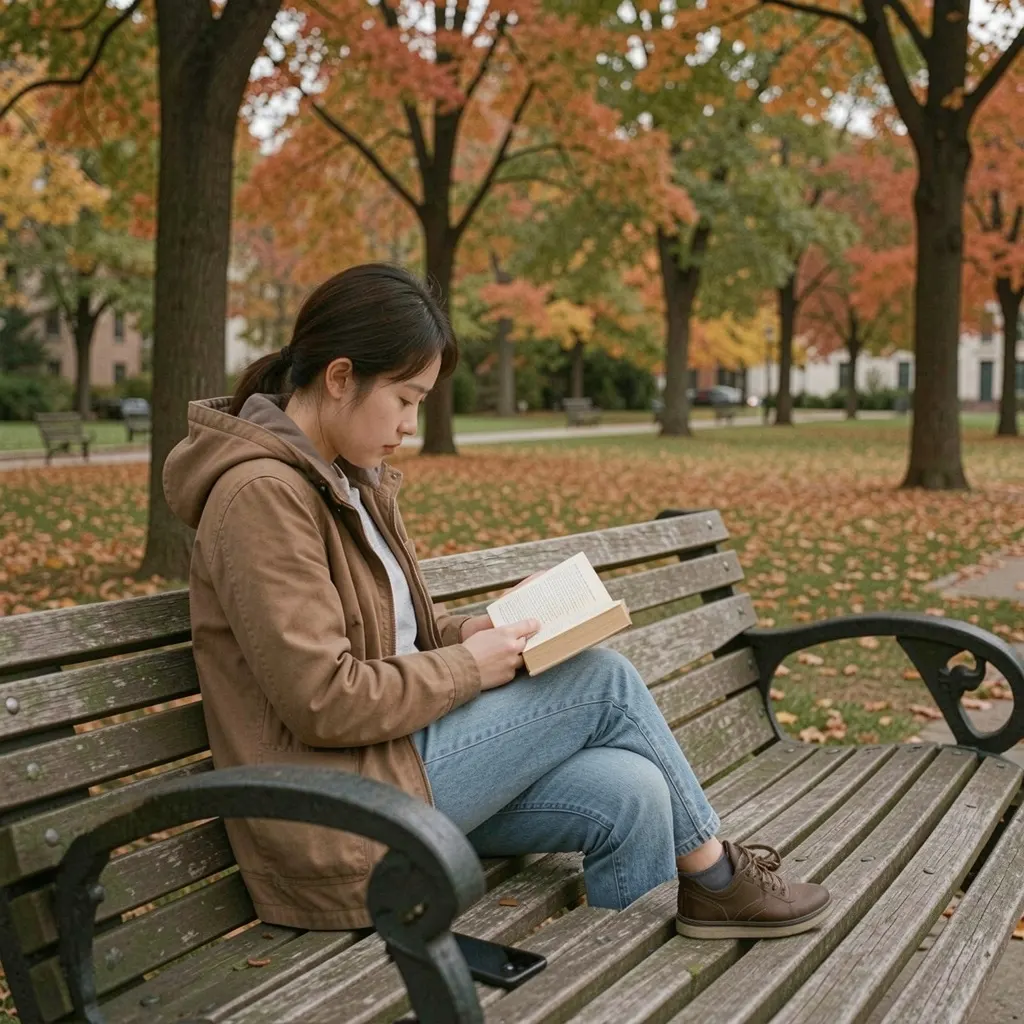
Developers and planners have taken notice. Urban Land Magazine reports a wave of redesigned public spaces — from converted vacant lots to hybrid work-friendly cafés — built specifically to give remote and in-office workers alike a reason to linger locally rather than retreat into isolation.
What This Means for Professionals
For urban professionals, slow living increasingly looks like small, repeatable choices: walking to a local market instead of ordering delivery, protecting one screen-free evening a week, or making a regular coffee shop feel like a second home. The shift isn’t about doing less — it’s about reinvesting attention in the people and places closest to home.
#SlowLiving #ThirdPlace #CommunityFirst #UrbanLife #WorkLifeBalance