

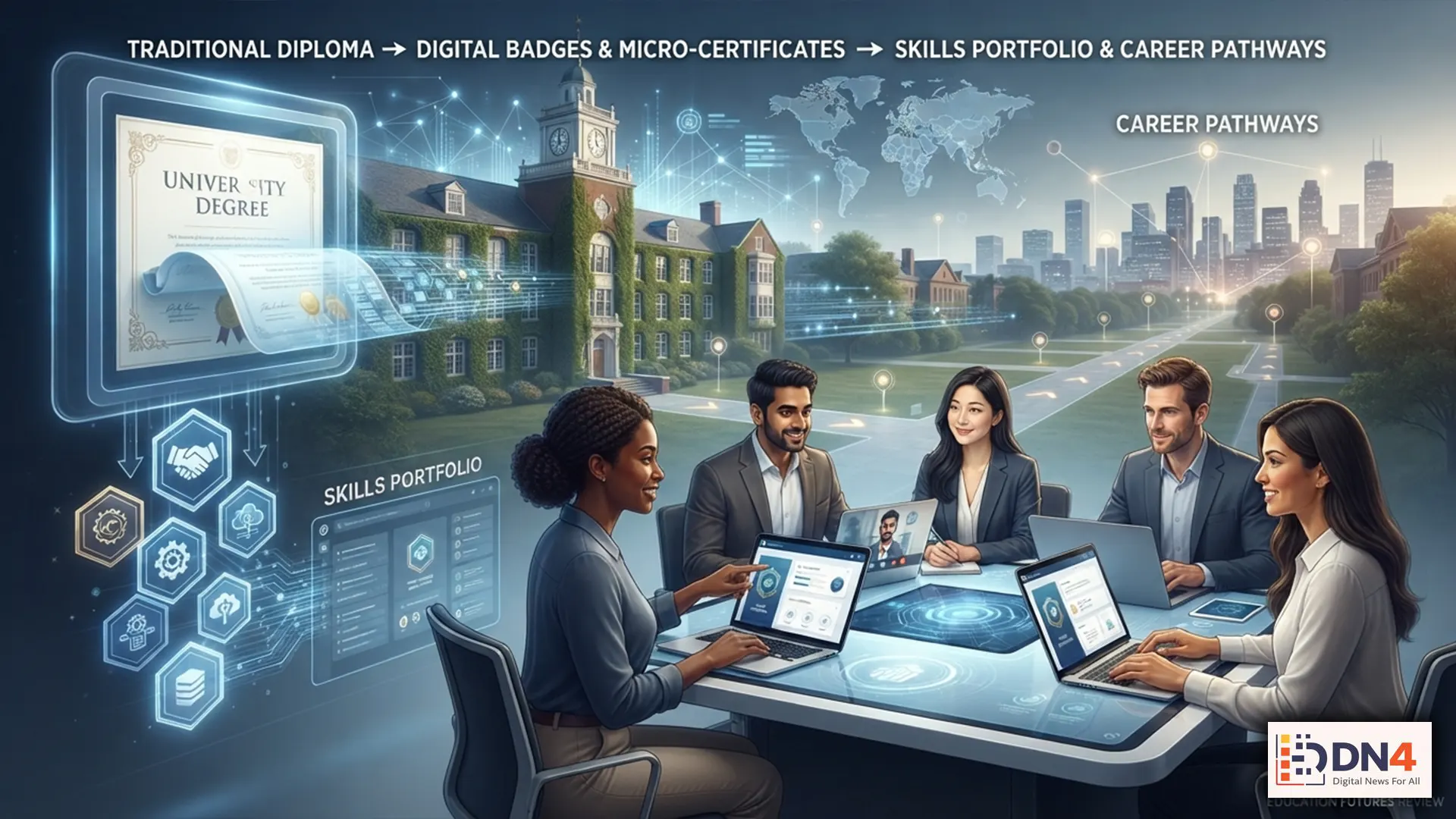
For generations, a university degree has been viewed as the clearest route to career success. But the education landscape is changing. Alternative credentials such as micro-credentials, professional certificates, digital badges and industry certifications are gaining ground as learners and employers place greater emphasis on specific, demonstrable skills.
The shift does not mean traditional degrees are disappearing. The OECD notes that people with tertiary degrees continue to earn more than those with lower levels of qualification in nearly all OECD countries. At the same time, the organization identifies micro-credentials as a more flexible way for higher education to respond to changing labour-market needs.
Why Alternative Credentials Are Growing
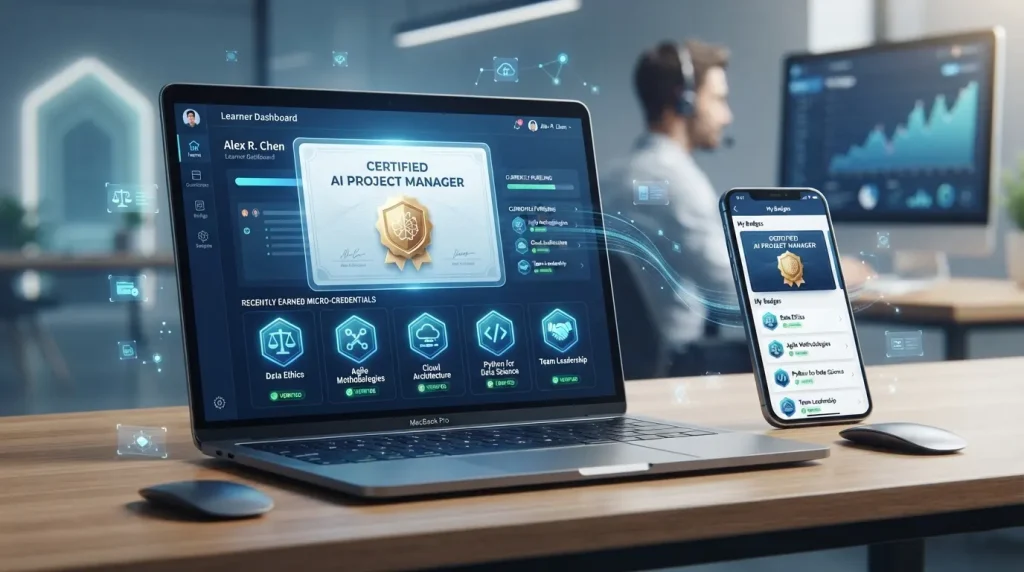
Technology has made it easier to learn targeted skills without committing to a multi-year programme. A learner can complete a focused course in areas such as artificial intelligence, cybersecurity, data analytics or project management and earn a credential that documents a specific learning outcome.
UNESCO describes micro-credentials as focused records of learning achievement that verify what learners know, understand or can do. Their appeal is flexibility: they can stand alone, complement other credentials or potentially contribute to larger qualifications.
Employers Are Looking Beyond Degrees
The workplace is also accelerating the change. The World Economic Forum reports that work experience remains the most common hiring assessment mechanism, while skills assessments are expected to be used by 48% of employers through 2030. University degrees remain important, but employers are increasingly interested in evidence of practical capability.
This trend is particularly relevant as technology changes job requirements quickly. A degree completed several years ago may not demonstrate a worker’s current proficiency in emerging tools. Shorter credentials can provide a way to update those skills without starting an entirely new degree.
Degrees and Alternative Credentials Can Coexist
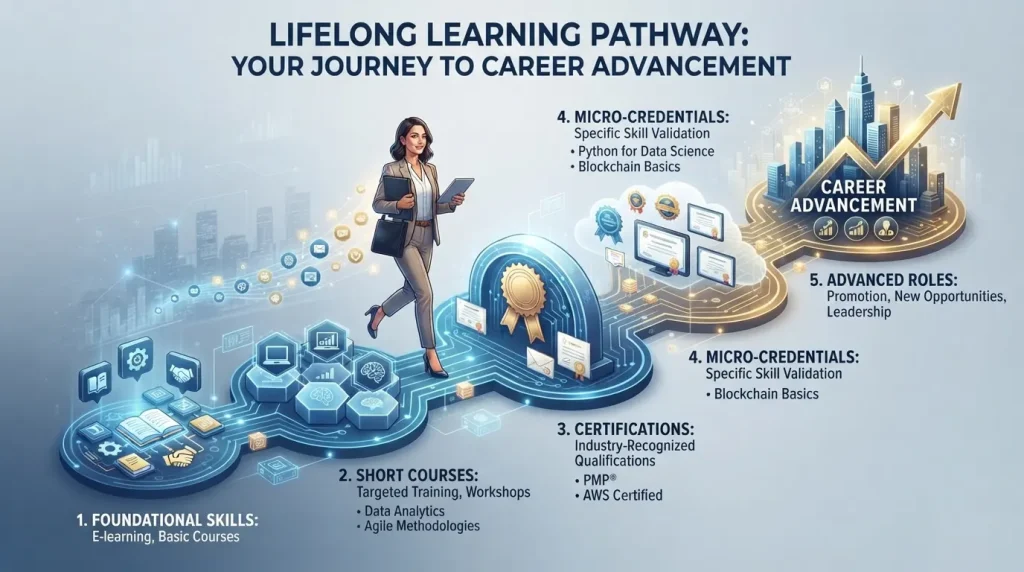
The future of education is unlikely to be a simple choice between degrees and certificates. Instead, learners may combine university study, professional certifications, micro-credentials, apprenticeships and workplace experience throughout their careers.
That ecosystem is already expanding. Credential Engine’s 2025 research identified more than 1.85 million credentials in the United States, including degrees, certificates, badges, apprenticeships, licences and certifications.
What This Means for Learners
Students and professionals should focus less on the label of a credential and more on its quality, recognition, skills outcomes and connection to real career opportunities. UNESCO also stresses that quality assurance and recognition are essential if micro-credentials are to deliver lasting value.
The traditional degree remains a powerful educational foundation. But as careers become more skills-driven, alternative credentials are becoming an important part of lifelong learning. The emerging model is not “degree versus credential”—it is a more flexible education ecosystem where different forms of learning can work together.
#HigherEducation #AlternativeCredentials #MicroCredentials #FutureOfEducation #SkillsBasedHiring #DigitalLearning #CareerDevelopment #LifelongLearning #EdTech