

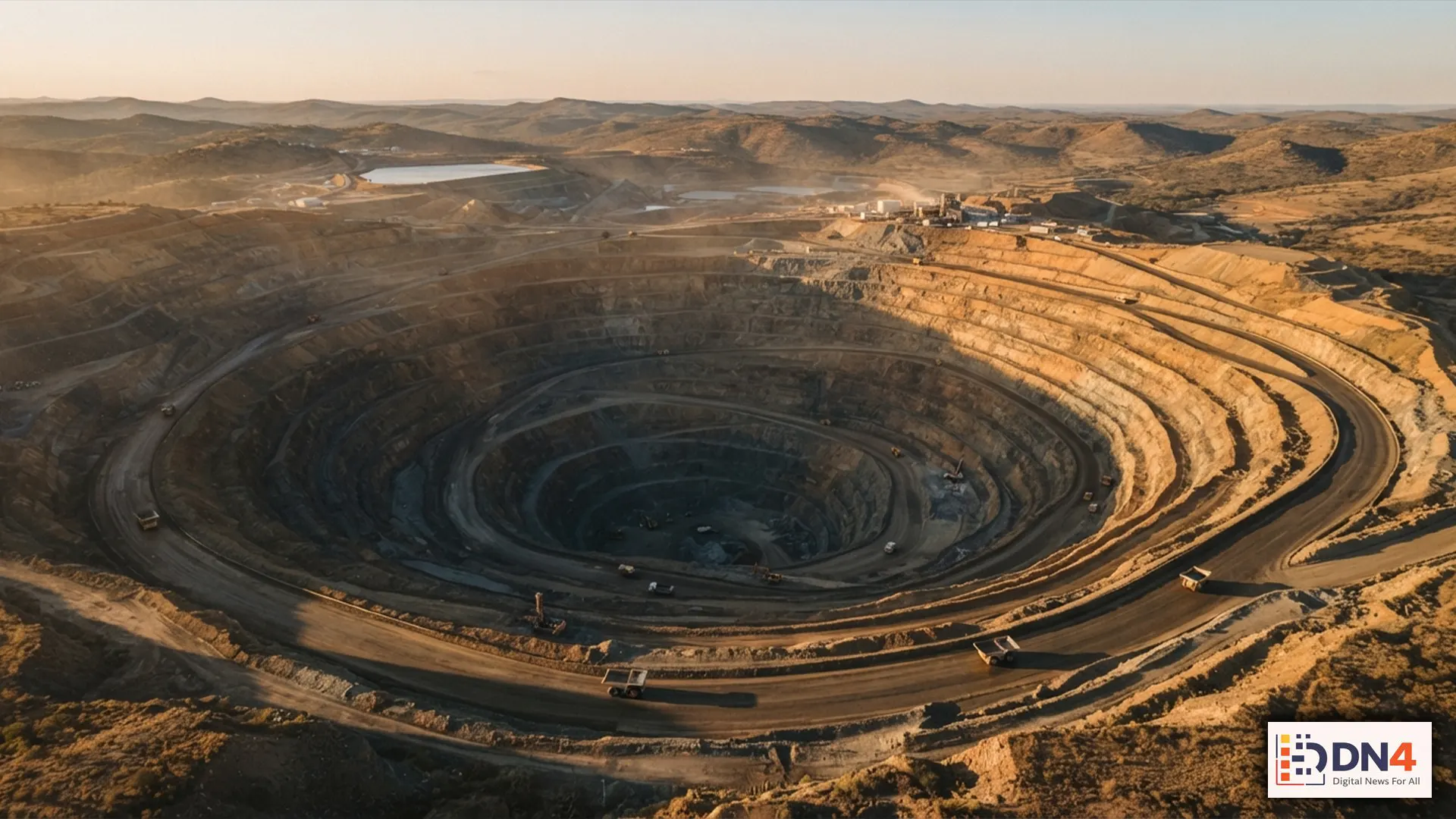
Rare earths and critical minerals have become the newest front line in great-power competition. With the United States fully import-dependent for a dozen critical minerals and reliant on imports for more than half its consumption of dozens more, CSIS analysis notes that Washington is increasingly building its mineral security around international partnerships rather than domestic supply alone.
China’s Leverage — and the U.S. Response
China’s export controls on heavy rare earths like yttrium, dysprosium, and terbium have kept shipments of those materials roughly half of pre-control levels even after a late-2025 trade truce, according to supply chain tracking data. In response, the U.S. government facilitated more than $10 billion in overseas supply and development agreements across five allied nations in a single month last October, a direct countermove aimed at diversifying supply away from Chinese-controlled channels.
Bilateral Deals Doing the Heavy Lifting
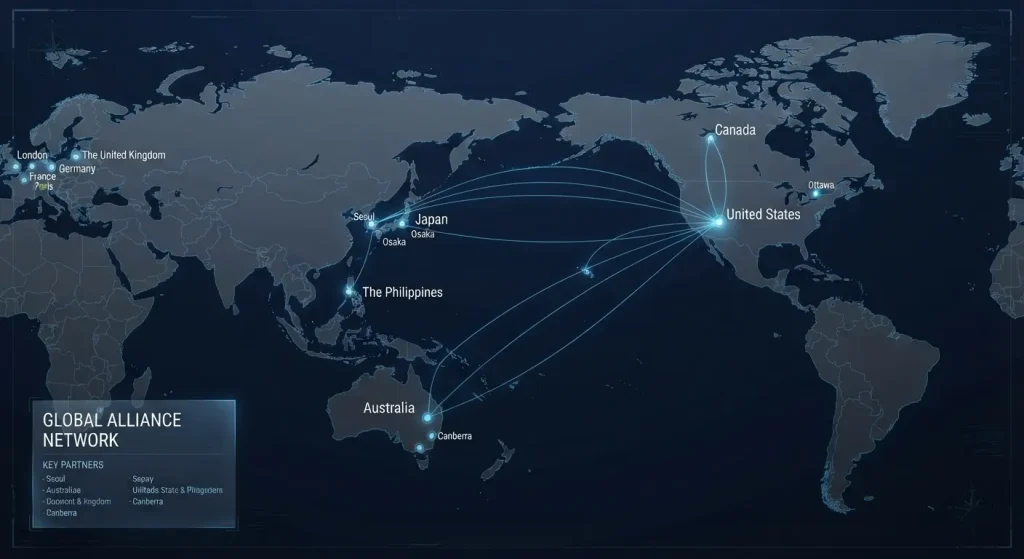
The strategy leans heavily on government-to-government frameworks. CSIS’s one-year review details an October 2025 critical minerals framework with Australia focused on coinvestment in strategic projects, alongside a parallel partnership with Japan covering price floors, trade coordination, and a deep-sea mining research agreement targeting rare earth muds near Minamitorishima. The ODI think tank reports the U.S. has since concluded similar bilateral agreements with the Democratic Republic of the Congo, Malaysia, Thailand, and Ukraine.
A Multilateral Push: FORGE and Pax Silica
Beyond bilateral deals, Washington has built coalition structures. At February’s Critical Minerals Ministerial, representatives from 54 countries and the European Commission gathered to launch FORGE, the successor to the Minerals Security Partnership, chaired on a rotating basis among member states. The State Department reports the U.S. has supported projects with more than $30 billion in letters of interest, loans, and investment over six months, paired with Pax Silica, an initiative extending economic security cooperation across the AI technology stack, including the minerals that underpin it, according to reporting from TIME.
Domestic Investment as a Complement, Not a Substitute
Federal financing has grown alongside the international push. Provisions in recent legislation direct roughly $2 billion to the National Defense Stockpile Transaction Fund and $5 billion toward supply chain investment under the Industrial Base Fund, per ODI’s analysis — even as older subsidy programs are phased out. The pattern is consistent: rather than racing to out-produce China alone, the U.S. is betting that a coordinated network of allied suppliers, processors, and financiers can out-organize a single dominant competitor.
#CriticalMinerals #RareEarths #SupplyChainSecurity #USChinaTrade #EconomicSecurity