

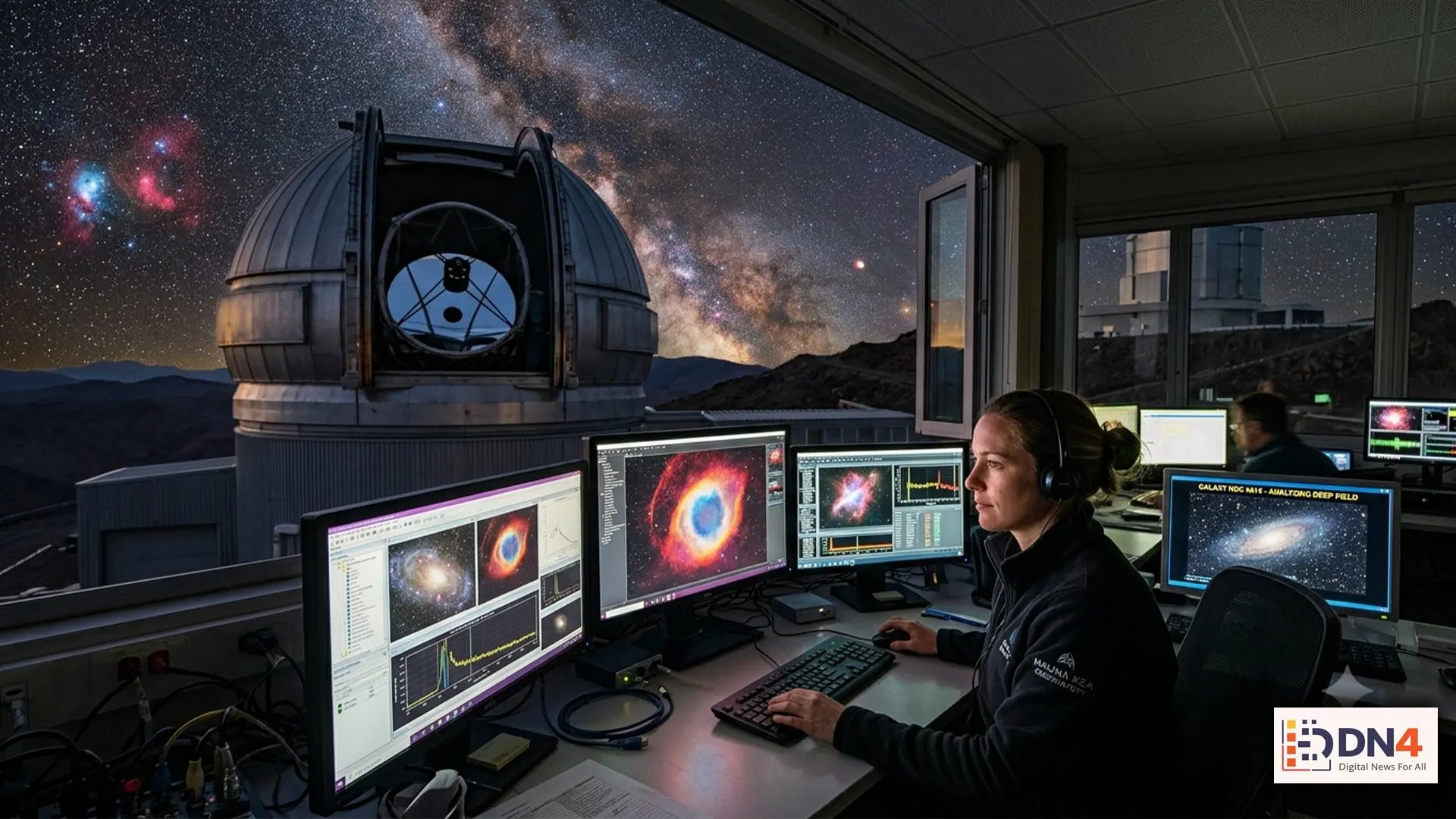
When most people imagine astronomical discovery, they often think of massive space agencies, billion-dollar observatories, or missions traveling beyond our solar system. Yet some of the most important breakthroughs in modern astrophysics are emerging from university research programs where scientists are asking fundamental questions about the universe itself. Among these institutions, Villanova University has earned recognition for its ongoing contributions to the study of stars, black holes, and other cosmic phenomena.
Rather than simply looking farther into space, Villanova researchers are increasingly focused on understanding the complex physical processes that govern the universe. Their work demonstrates that solving cosmic mysteries often begins by turning inward—examining data, refining theories, and uncovering patterns hidden within astronomical observations.
A Legacy of Astronomical Research
Villanova has built a respected reputation within the astronomy community through decades of observational research and scientific collaboration. Faculty members, graduate students, and research teams have contributed to studies involving variable stars, binary star systems, stellar evolution, and high-energy astrophysical events.
These investigations help scientists better understand how stars form, evolve, and ultimately shape the broader structure of galaxies.
Why Variable Stars Matter
One of Villanova’s longstanding areas of expertise involves the study of variable stars—stars whose brightness changes over time. While these fluctuations may appear subtle, they provide valuable clues about internal stellar processes.
By monitoring variations in brightness, astronomers can gather information about stellar composition, mass transfer, magnetic activity, and evolutionary stages.
Organizations such as the American Association of Variable Star Observers (AAVSO) frequently collaborate with researchers and citizen scientists to expand our understanding of these important celestial objects.
Investigating Extreme Cosmic Environments
Modern astronomy increasingly focuses on some of the universe’s most extreme environments. Villanova researchers have participated in studies examining:
- Black holes and accretion systems
- Binary star interactions
- Stellar explosions and novae
- High-energy astrophysical phenomena
- Galaxy evolution processes
- Long-term observational astronomy projects
Each of these areas contributes to a broader understanding of how matter and energy behave under extraordinary conditions.
The Data Revolution in Astronomy
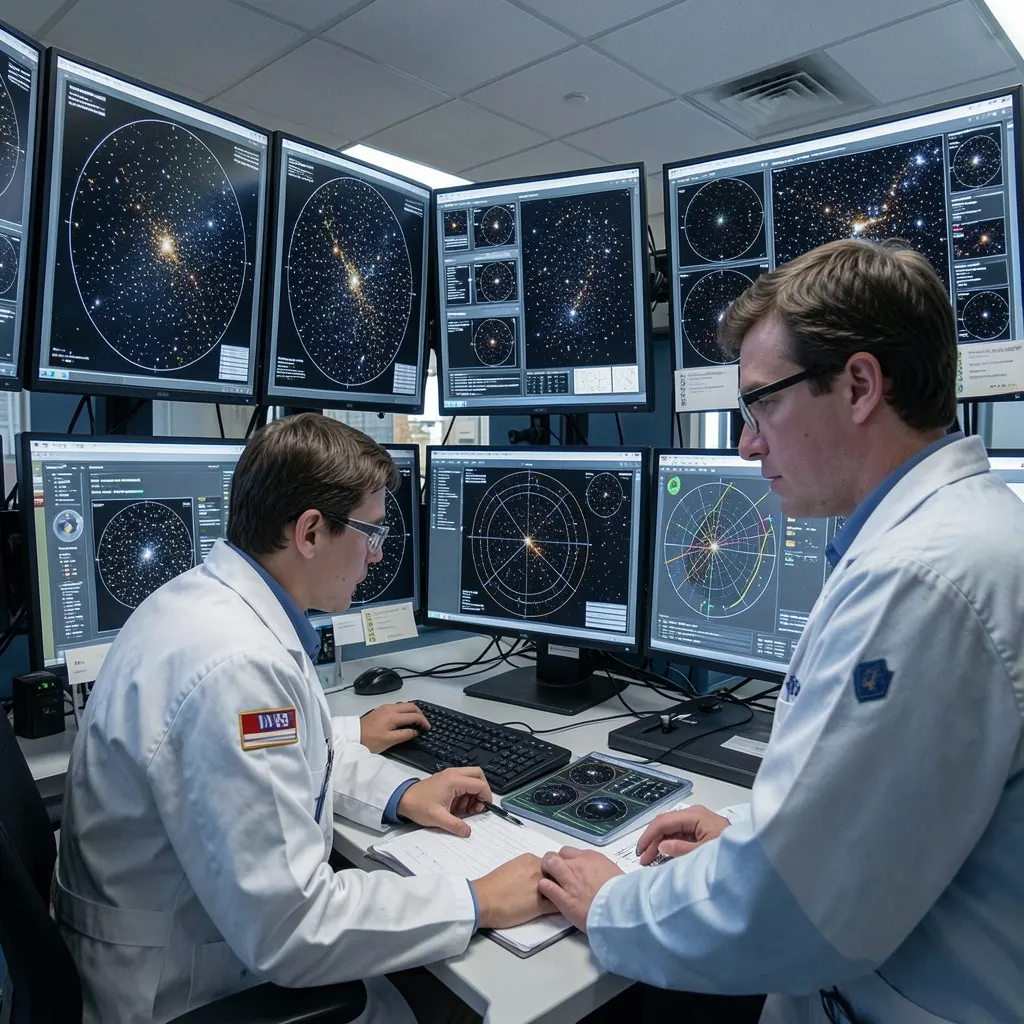
Today’s astronomers rely on far more than traditional telescopes. Massive datasets generated by space observatories and ground-based instruments have transformed how discoveries are made.
Researchers increasingly combine observational science with advanced computing, statistical analysis, and data modeling to identify patterns that might otherwise remain hidden.
Projects supported by organizations such as NASA and the National Science Foundation continue to expand the volume of available astronomical information.
Training the Next Generation of Scientists
Beyond scientific discovery, Villanova’s astronomy programs play a critical role in educating future researchers. Students gain hands-on experience working with observational data, research methods, and scientific analysis techniques.
This practical training prepares graduates for careers in astrophysics, data science, engineering, education, and other technology-driven fields.
Why Cosmic Mysteries Still Matter
Questions about the universe extend beyond academic curiosity. Research into stars, galaxies, dark matter, and cosmic evolution helps scientists understand fundamental physical laws that influence everything from planetary formation to the origins of matter itself.
Many of today’s technological advances—including imaging systems, computational methods, and data-processing tools—have roots in astronomical research.
Looking Toward the Future
The coming decade promises unprecedented opportunities for astronomical discovery. New observatories, advanced space telescopes, and increasingly sophisticated analytical tools are expected to reveal details about the cosmos that were previously impossible to observe.
Institutions like Villanova will continue contributing to this effort by combining traditional scientific inquiry with innovative research techniques.
As humanity seeks answers to some of the universe’s biggest questions, the work being conducted by dedicated astronomers reminds us that exploration is not always about traveling farther. Sometimes the greatest discoveries come from looking more closely at the evidence already before us.
Frequently Asked Questions
What astronomy research is Villanova known for?
Villanova is particularly recognized for research involving variable stars, binary star systems, stellar evolution, and observational astrophysics.
Why are variable stars important?
Changes in their brightness provide valuable information about stellar structure, evolution, and physical processes occurring within stars.
How do university astronomy programs contribute to science?
They conduct research, analyze astronomical data, collaborate on international projects, and train future scientists and researchers.
#Villanova #Astronomy #Astrophysics #SpaceScience #CosmicMysteries #SpaceExploration #ScientificResearch #BlackHoles #Universe #STEM