

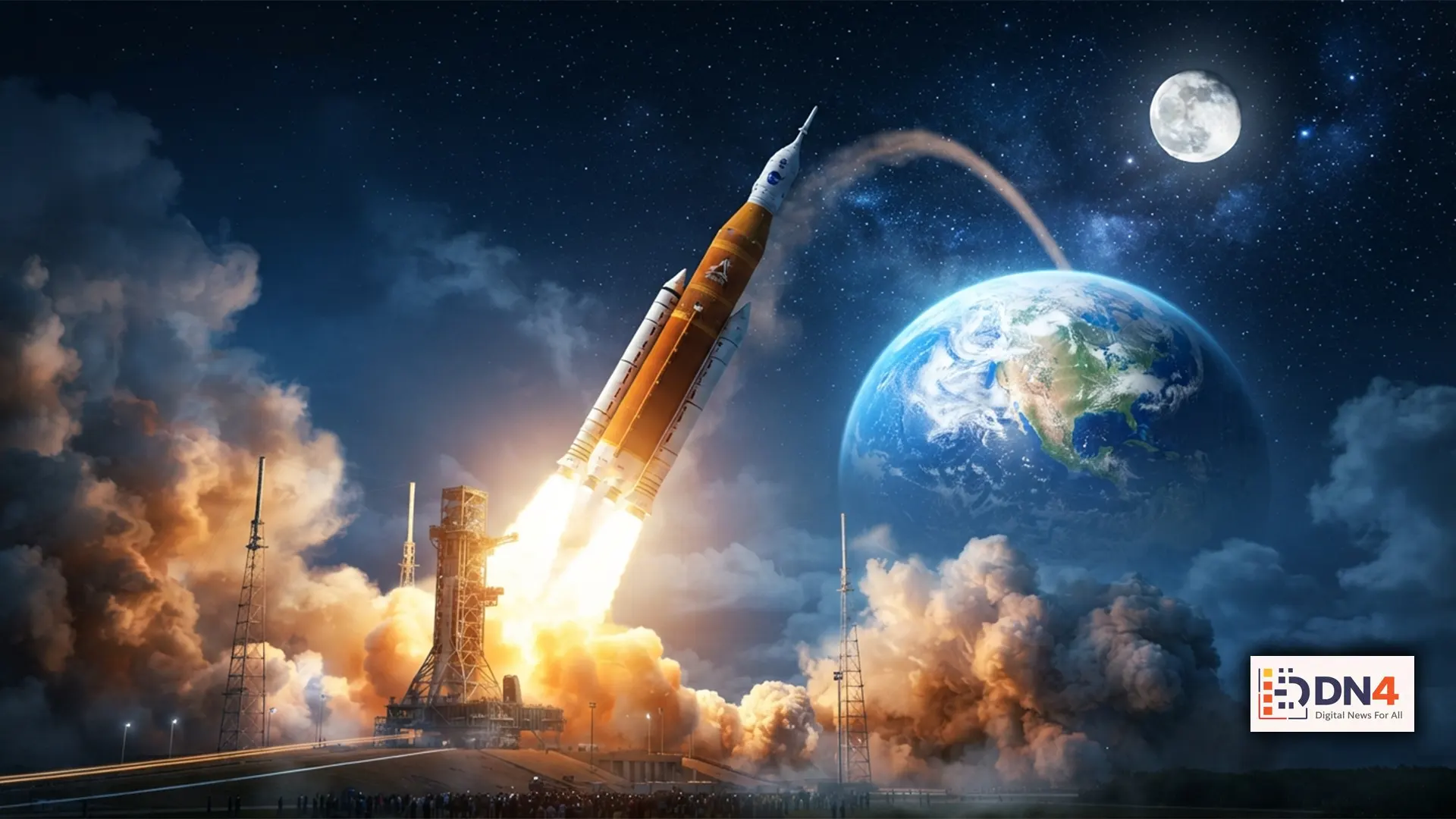
Space Exploration Day celebrates one of humanity’s greatest achievements—the Apollo 11 mission that landed the first humans on the Moon. More than five decades later, America’s commitment to scientific discovery continues through ambitious lunar missions, Mars exploration, revolutionary space telescopes, and commercial partnerships that are transforming access to space. As technology evolves, these milestones are expanding our understanding of the universe while driving innovations that benefit life on Earth.
NASA’s Artemis Program Begins a New Lunar Era
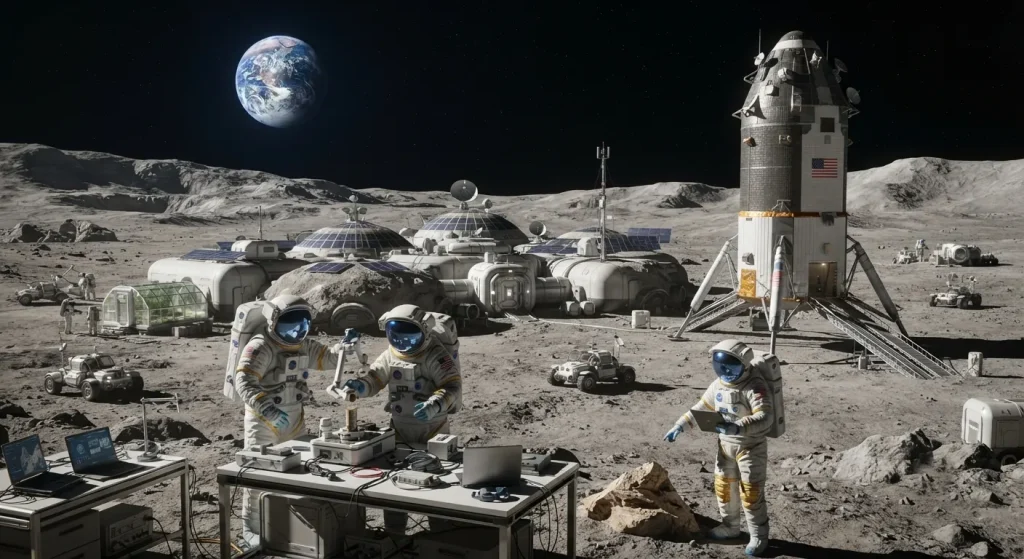
The NASA Artemis Program is preparing astronauts to return to the Moon with the long-term goal of establishing a sustainable lunar presence. Artemis will become the foundation for future human missions to Mars while testing advanced technologies for deep-space exploration. NASA’s latest updates highlight significant progress in spacecraft development, lunar landing systems, and astronaut training. Learn more from the official NASA Artemis Program.
James Webb Space Telescope Continues Historic Discoveries
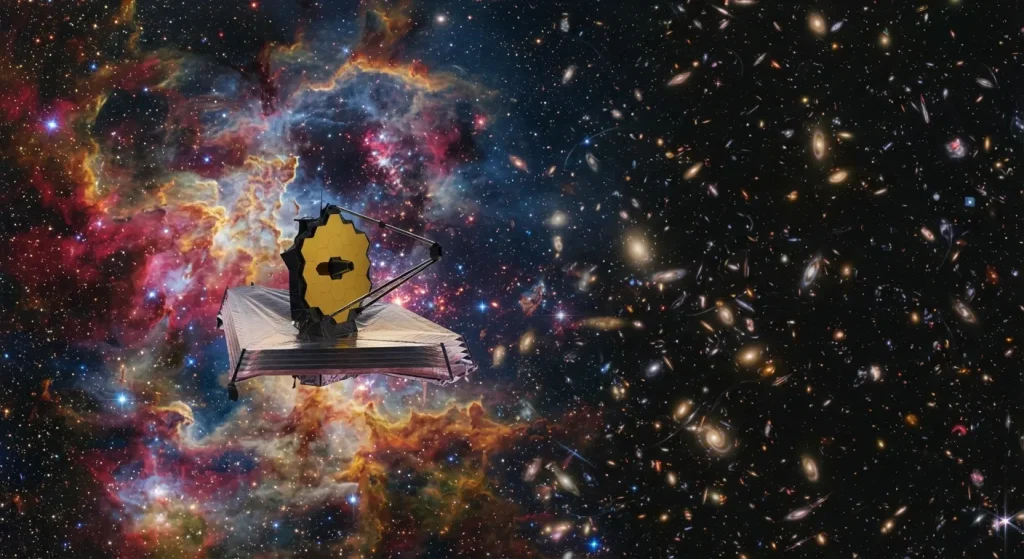
The James Webb Space Telescope has fundamentally changed modern astronomy by capturing the deepest infrared images ever recorded. Scientists are studying distant galaxies, newborn stars, and the atmospheres of potentially habitable exoplanets. These discoveries provide new clues about the origins of the universe. Explore the latest findings from the James Webb Space Telescope.
Mars Exploration Moves Closer to Human Missions
NASA’s Perseverance Rover continues collecting rock samples on Mars that could reveal whether microbial life once existed on the planet. These carefully selected samples are expected to play a critical role in future Mars Sample Return missions. Mission updates are available through NASA Mars 2020.
Commercial Spaceflight Accelerates Innovation
Private companies have become essential partners in modern space exploration. Organizations such as SpaceX and Blue Origin continue developing reusable launch systems that reduce costs and expand access to orbit. These partnerships allow NASA to focus resources on scientific research while commercial providers handle transportation and logistics.
Global Partnerships Expand Scientific Discovery
Space exploration is increasingly an international effort. NASA collaborates with agencies including the European Space Agency (ESA) and the Japan Aerospace Exploration Agency (JAXA) on missions involving planetary science, Earth observation, and lunar exploration. These collaborations accelerate innovation while sharing expertise across borders.
Why Space Exploration Matters
Space missions contribute far beyond scientific curiosity. Technologies developed for exploration have improved satellite communications, GPS navigation, medical imaging, climate monitoring, disaster forecasting, robotics, and advanced manufacturing. Investments in space science also inspire future generations to pursue careers in science, technology, engineering, and mathematics (STEM).
As the United States celebrates Space Exploration Day, the nation continues to push the boundaries of discovery. Whether exploring the Moon, searching for evidence of ancient life on Mars, or peering billions of years into the past with powerful telescopes, America’s scientific quest remains one of humanity’s most inspiring endeavors.
#SpaceExplorationDay #NASA #Artemis #MoonMission #Mars #JamesWebb #SpaceScience #STEM #Innovation