

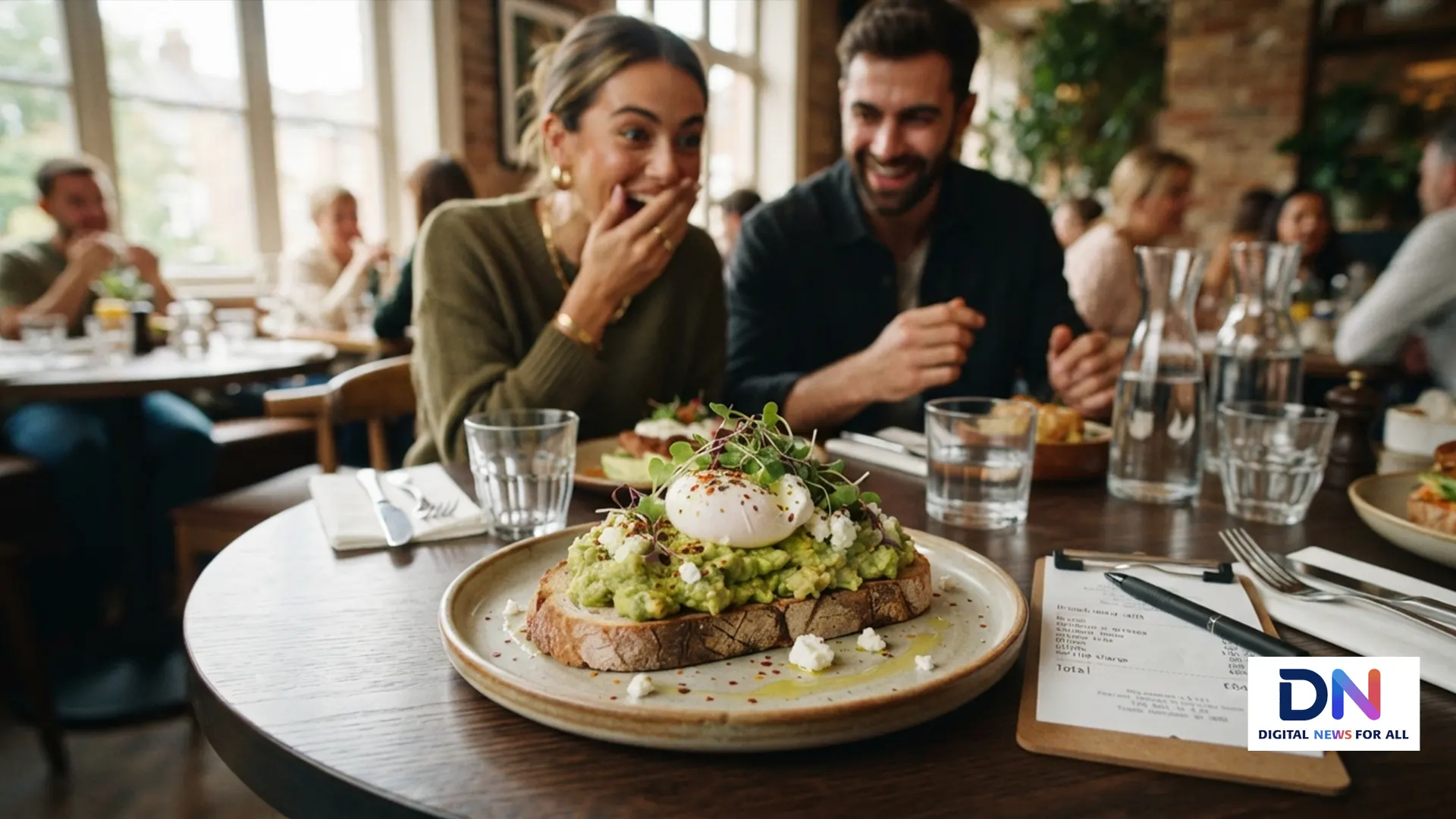
Gen Z dining habits are changing as restaurant prices force younger consumers to think harder about what deserves a place in their budgets. The $20 avocado toast has become an easy symbol of expensive brunch culture, but the bigger story is about value, portion sizes and whether eating out still feels worth the money.
The $20 Avocado Toast Problem
Avocado toast became a cultural shorthand for millennial spending years ago. Now, younger consumers are inheriting the joke while confronting a restaurant market where menu prices remain elevated.
According to the National Restaurant Association, U.S. restaurant menu prices increased 3.4% year over year in August 2026. Full-service restaurant prices rose 3.5% over the same period.
That makes a premium brunch increasingly difficult to justify when the same ingredients can be purchased from a grocery store for considerably less.
Gen Z Still Loves Restaurants
The important twist is that Gen Z is not abandoning restaurants altogether.
YouGov found that 69% of Gen Z adults consider eating out a treat reserved for special moments. The research also found that 74% enjoy trying new foods and cuisines.
In other words, the issue is not necessarily restaurants. It is what consumers receive for their money.
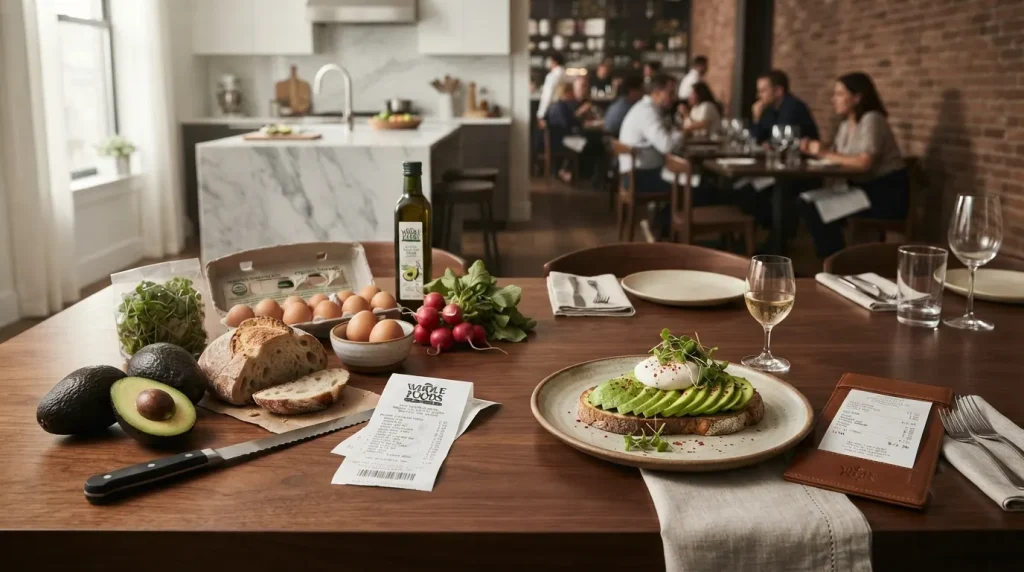
Value Is Becoming the New Status Symbol
Recent restaurant research shows that younger consumers are increasingly evaluating dining experiences through a value lens.
McKinsey found that value and pricing remain major factors shaping U.S. restaurant demand in 2026. Among consumers who felt dining out was not worth the money, food quality and portion size were leading sources of disappointment. Gen Z was particularly focused on food quality, with 73% ranking it among their top three reasons for disappointment.
That creates a difficult equation for restaurants. A beautifully plated breakfast may photograph perfectly, but customers still want the food itself to justify the bill.
Gen Z Is Cutting Spending, Not Dining Out
New data suggests the generation is becoming more selective rather than completely walking away from restaurants.
The National Restaurant Association reported in September that nearly half of Gen Z consumers said they spent less on restaurants in the third quarter than in the second quarter.
At the same time, 85% of Gen Z reported participating in some form of restaurant, takeout, delivery, coffee or snack occasion during the previous week.
The Experience Still Matters
There is another side to the story. Bank of America Institute reported that Gen Z led all generations in restaurant spending growth in its 2026 card-data analysis.
That suggests young consumers are willing to spend when the experience feels worthwhile. A memorable local restaurant, unusual cuisine or social occasion can still beat a cheap meal at home.
So What Happens to Avocado Toast?
The avocado toast itself is unlikely to disappear. Avocados remain popular, and the dish is easy to customize with eggs, vegetables, spices and different types of bread.
What may change is the price consumers are willing to tolerate. A $20 plate may need better ingredients, larger portions, distinctive presentation or an experience that cannot easily be recreated at home.
The broader lesson from Gen Z dining is simple: young consumers still want restaurants, but they increasingly want proof that the experience deserves the price.
For restaurants, that could mean smaller entry-level dishes, better-value combinations, transparent pricing and stronger portions. The future of brunch may not belong to the cheapest restaurants. It may belong to the restaurants that make customers feel their money was well spent.
#GenZ #AvocadoToast #GenZDining #RestaurantPrices #FoodInflation #DiningOut #Brunch #ConsumerTrends