

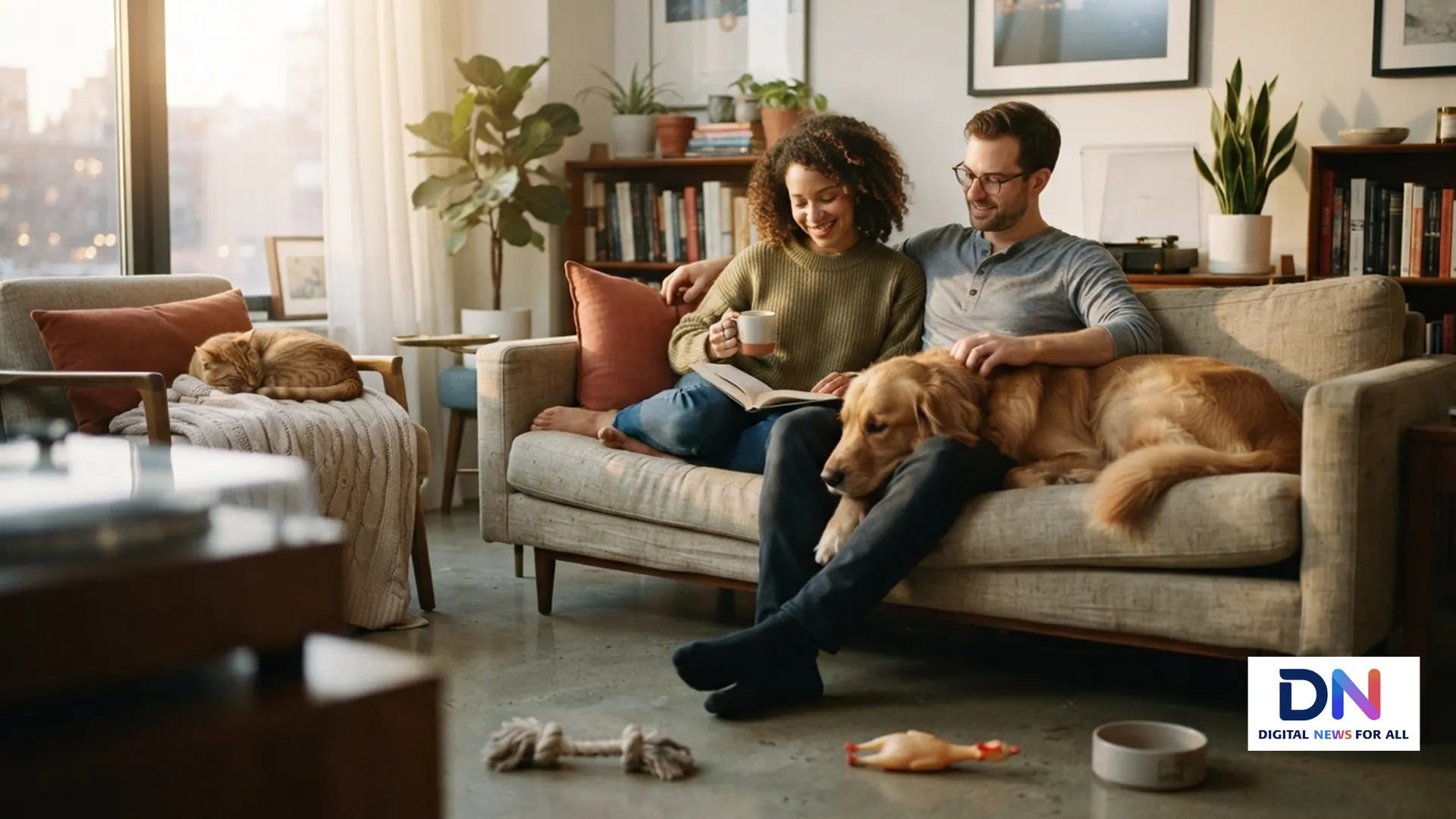
Pets replacing babies has become a popular shorthand for a major generational shift in how younger Americans approach family life. Gen Z and millennials are increasingly treating dogs and cats as family members, while birth rates have fallen. But the evidence suggests a more complicated story than simply choosing pets instead of children.
Young Americans Are Putting Pets at the Center of Family Life
The American Pet Products Association estimates that 95 million U.S. households owned at least one pet in 2025. Its 2026 industry report also found that cat ownership reached 53 million households, with growth particularly strong among Gen Z and millennials. APPA’s 2026 State of the Industry report shows how deeply pets have become embedded in American households.
The emotional connection is equally significant. A Pew Research Center survey found that 97% of U.S. pet owners consider their pets part of the family. About 51% said their pets are as much a part of their family as a human member.
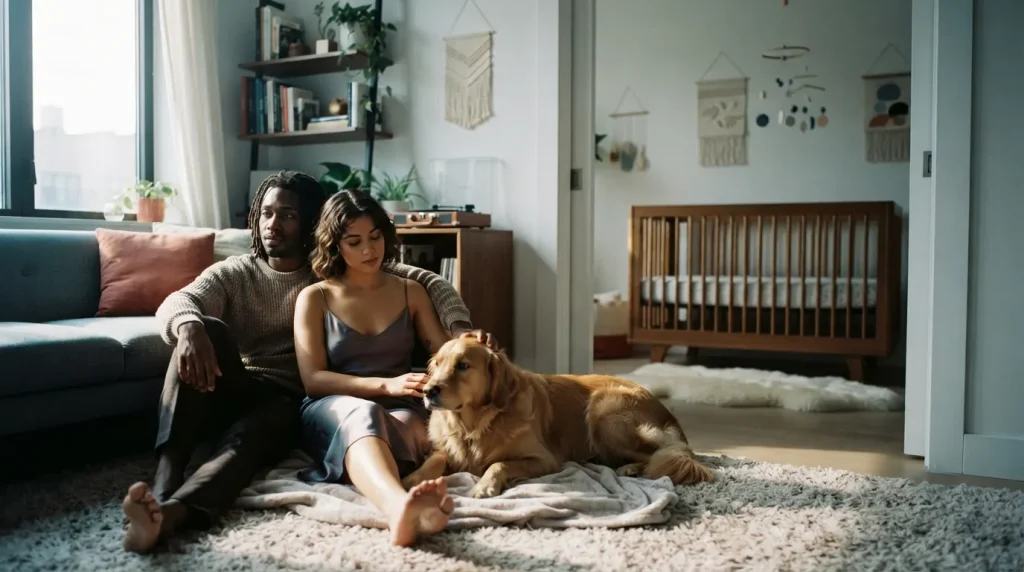
Are Pets Actually Replacing Children?
There is evidence that pets sometimes occupy a role that younger adults once associated with parenthood. A 2026 Rover survey found that 66% of Gen Z pet parents think of their pets as children. It also found that 51% of Gen Z and 48% of millennials believe having a pet can be a useful experience before having a human child. Rover’s generational pet-parenting research provides insight into this changing relationship.
However, Rover’s findings do not show that young Americans universally reject parenthood. Instead, younger pet owners appear more likely to delay children while building careers, relationships and financial security.
The Economics of Having Children
Money is an important part of the discussion. Housing costs, childcare expenses, student debt and broader economic uncertainty can make starting a family feel less attainable for younger adults.
U.S. birth data show the broader demographic change. The CDC’s National Center for Health Statistics reported 3.63 million births in 2024, while the general fertility rate declined to 53.8 births per 1,000 women ages 15–44.
Gen Z May Be Different
New research suggests the change is not purely financial. A September 2026 analysis from the Federal Reserve Bank of Atlanta found that younger generations of women are less likely to have children. The researchers identified a particularly notable decline in the desire to have children among the youngest generation studied.
That does not mean every Gen Z adult is choosing pets over children. Preferences vary widely, and some people may simply be postponing parenthood rather than abandoning it.

The Pet Economy Is Growing With the Trend
The cultural shift has created a powerful commercial market. U.S. pet-industry spending reached $158 billion in 2025 and is projected by APPA to reach $165 billion in 2026. APPA’s industry data show that spending remains resilient even as consumers become more price-conscious.
Pet owners are buying premium food, veterinary services, insurance, toys and travel products. The modern “pet parent” is therefore more than a social-media label. It represents a substantial consumer category.
Pets or Babies? The Answer Is More Complicated
The idea that pets are simply replacing babies is catchy, but it misses the bigger demographic picture. Some Gen Z and millennial adults are choosing not to have children. Others are delaying parenthood because of finances, relationships or lifestyle goals. Many simply love their pets while still wanting children someday.
What is changing is the definition of family. For younger Americans, pets can provide companionship, emotional connection and responsibility without necessarily following the traditional path toward parenthood.
So, are pets replacing babies? For some individuals, yes. For an entire generation, the evidence points instead to a broader transformation in how Americans define adulthood, family and the timing of major life decisions.
#GenZ #Millennials #PetParents #PetsReplacingBabies #PetOwnership #BirthRates #FamilyTrends #PetEconomy #Lifestyle #USNews