

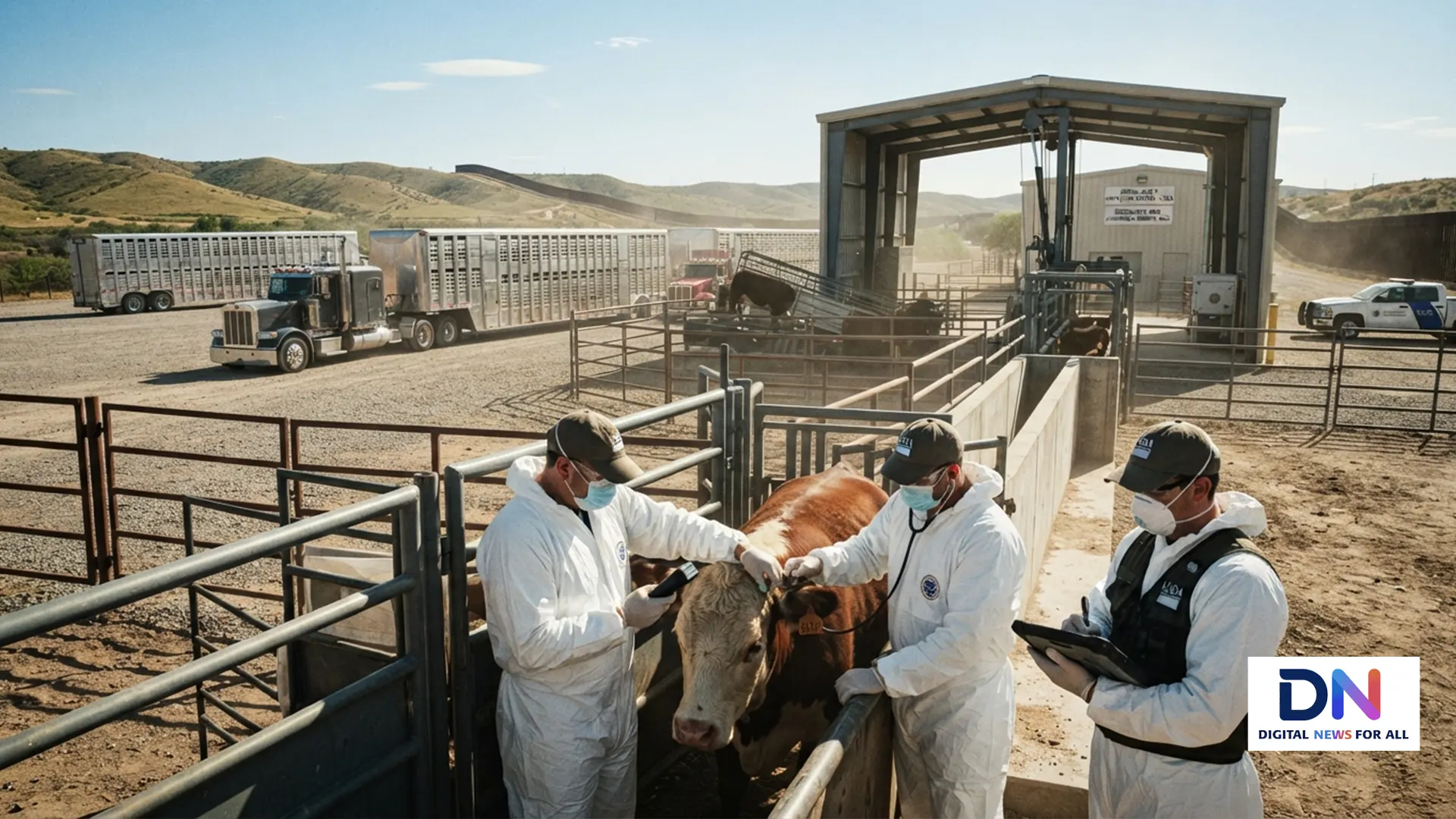
US biosecurity is facing a major test as agriculture officials balance disease containment with the economic need to keep livestock moving across international borders. The current focus is New World screwworm, a destructive parasite that has reached the United States while officials work to protect cattle, horses and other animals.
The USDA’s screwworm response describes the pest as a serious threat to livestock and wildlife. Federal officials say the current risk to people and the food supply remains very low, while animal-health agencies continue surveillance and containment efforts.
Screwworm Changes the Import Equation
New World screwworm larvae infest wounds in living animals and can cause severe injury or death. The United States eliminated the parasite decades ago, making its recent reappearance a significant animal-health concern.
The USDA confirmed a screwworm detection in a Texas calf in June. By September, the first confirmed U.S. case in a horse had been identified in Presidio County. Reuters reported that Texas authorities subsequently restricted movement of warm-blooded animals in an affected area.
Why Mexico Cattle Imports Are So Important
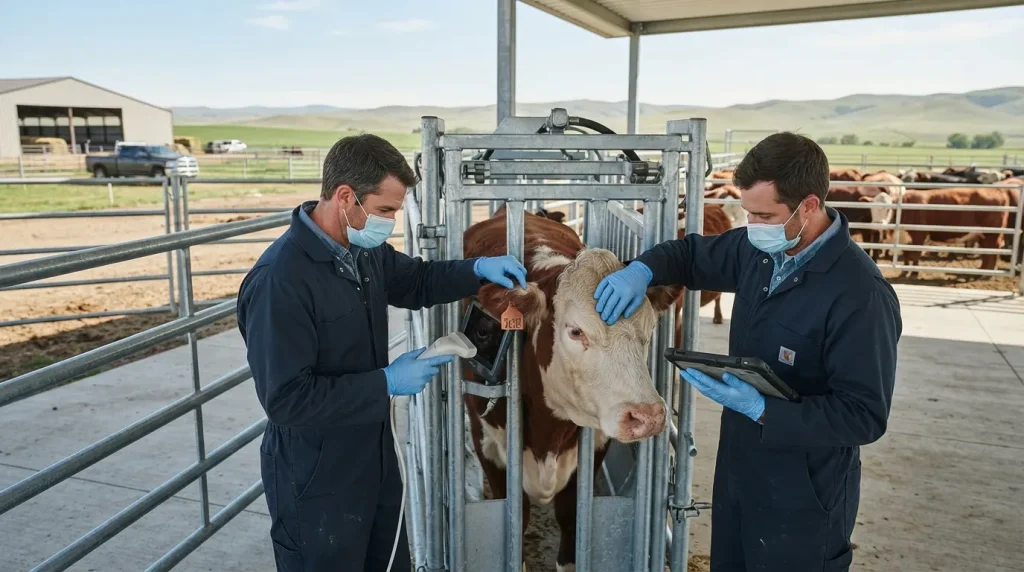
The disease threat comes as the United States also tries to restore cattle trade with Mexico. The USDA’s APHIS import guidance shows that selected southern border ports are reopening through a phased process.
Douglas, Arizona, reopened for cattle imports on August 24. USDA officials have been preparing additional reopening steps while retaining restrictions at other ports.
On September 16, Reuters reported that Agriculture Secretary Brooke Rollins said the Santa Teresa, New Mexico, port could reopen the following week. The approach allows officials to restore trade while retaining the ability to suspend it if new disease threats emerge.
Biosecurity Starts Before Animals Cross the Border
US biosecurity is not limited to border inspections. The USDA’s APHIS program regulates imports of livestock, poultry and germplasm to reduce the risk of introducing animal diseases.
APHIS also maintains regional disease-status assessments. Its regionalization system allows restrictions to change according to disease conditions in specific countries, regions or commodities.
Other Diseases Remain on the Watch List
Screwworm is not the only concern. African swine fever remains a major international threat to pig populations, although it has not reached the United States. The USDA warns travelers that contaminated pork products can contribute to international disease spread.
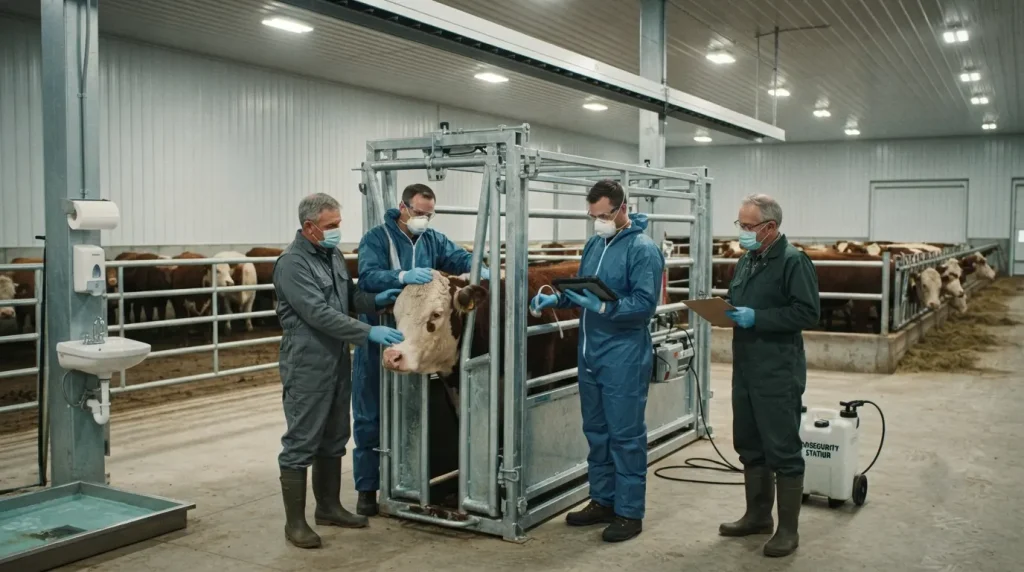
Highly pathogenic avian influenza also continues to require livestock surveillance and farm-level precautions. USDA offers voluntary biosecurity assessments for poultry operations and additional requirements for affected farms before restocking.
The Economic Balancing Act
The challenge is straightforward but difficult: tighter controls can reduce disease risk, while prolonged trade restrictions can disrupt cattle supplies and hurt producers.
USDA livestock trade data tracks imports and exports of cattle, hogs, sheep, goats, poultry and related meat products across international markets. These flows make animal-health decisions economically significant for producers, processors and consumers.
What Comes Next?
The current strategy combines inspections, regional restrictions, surveillance, farm biosecurity and carefully phased trade reopening. Officials will need to adjust those measures as new disease detections emerge.
For the U.S. livestock industry, the lesson is increasingly clear: US biosecurity now extends from farms and laboratories to border crossings and international supply chains. The effectiveness of that system will depend on detecting threats quickly while keeping legitimate agricultural trade moving safely.
#USBiosecurity #Livestock #Agriculture #NewWorldScrewworm #Cattle #USDA #LivestockImports #AnimalHealth #FoodSupply #Farmers