

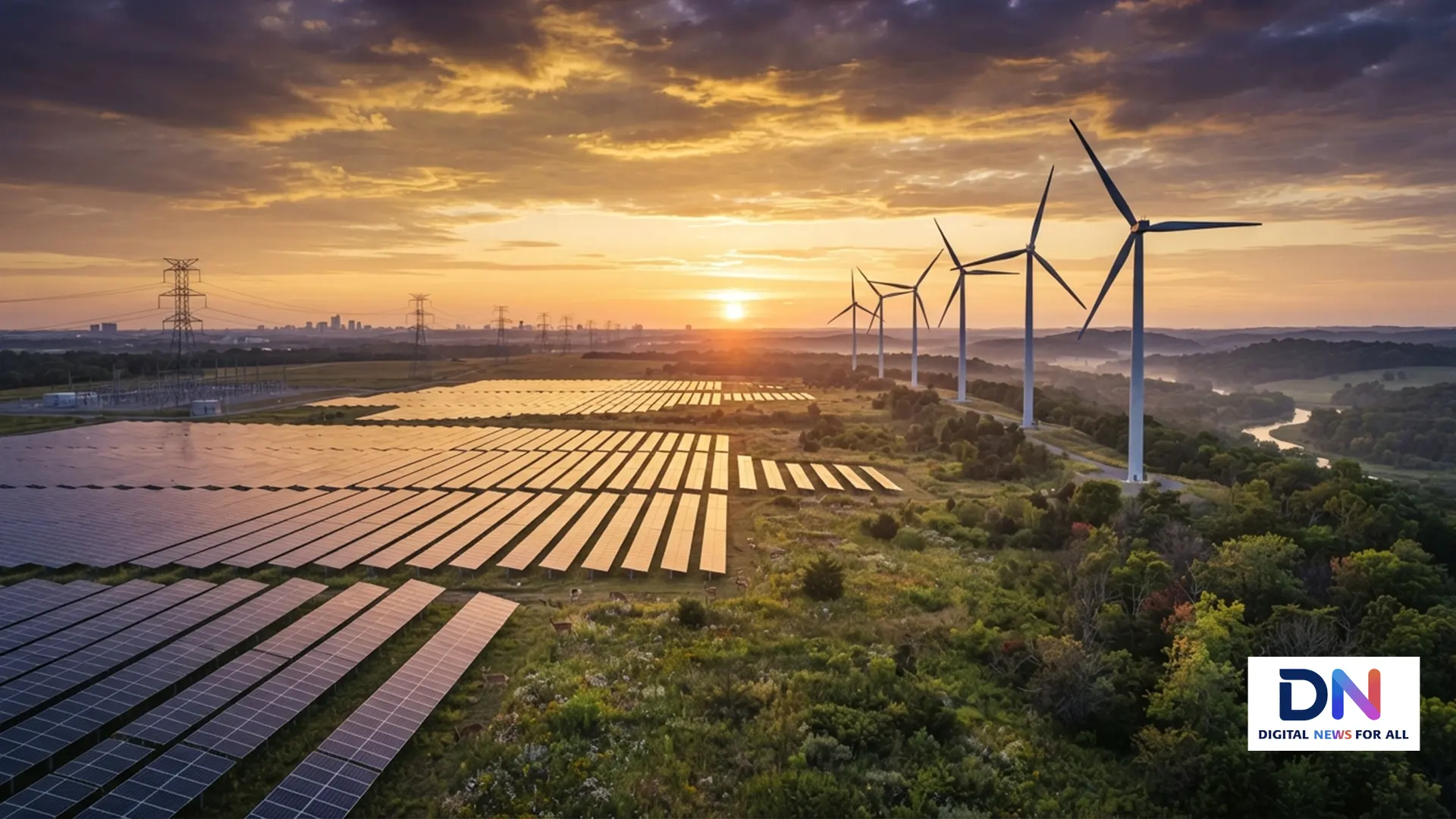
Green energy expansion is accelerating across the United States as electricity demand rises and utilities add solar, wind, storage and transmission infrastructure. But the transition creates a difficult challenge. Building clean-energy projects quickly can sometimes conflict with protecting wildlife, habitats and local ecosystems.
The issue is becoming more important as electricity demand grows. The U.S. Department of Energy says additional transmission capacity is needed to support new generation, data centers, manufacturing and electrification.
Why Clean Energy Needs More Land and Infrastructure
Renewable electricity requires more than solar panels and wind turbines. Developers also need substations, transmission lines, roads, battery storage and other supporting infrastructure.
A DOE and federal-agency study found significant potential for renewable development on federal lands. Its modeling estimated that 51 to 84 gigawatts of renewable capacity could be deployed on those lands by 2035 under scenarios balancing energy demand with resource protection.
That scale illustrates the opportunity. It also highlights the importance of deciding where projects should be built.
Solar and Wind Can Affect Local Wildlife
Renewable energy has major environmental benefits, but individual projects can still create ecological impacts.
The Department of Energy’s solar-wildlife research examines how large solar facilities interact with habitats, wildlife and ecosystem services.
Wind projects create their own considerations. Turbines can affect birds and bats, while roads and construction can disturb habitats. The DOE wind-energy research program focuses on better siting, monitoring and mitigation strategies.
Transmission Is Another Environmental Challenge
Even an environmentally responsible renewable project needs a way to deliver electricity to consumers. That makes transmission one of the most important pieces of the clean-energy buildout.
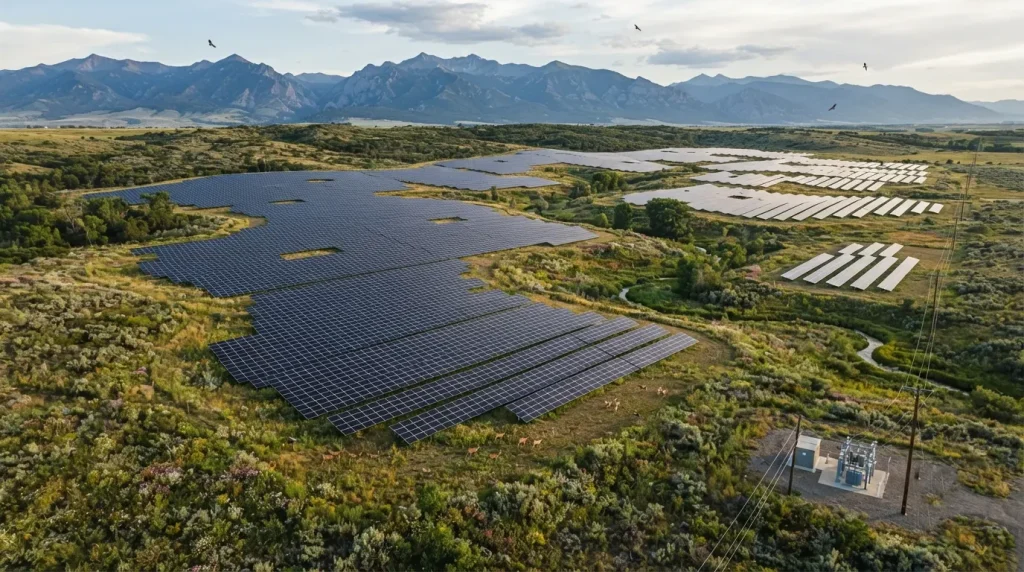
New transmission lines can cross private property, forests, agricultural land and wildlife habitat. The DOE transmission permitting guidance recognizes that projects must consider environmental, cultural and community concerns.
Using existing rights-of-way where possible can reduce some impacts. Early coordination can also identify sensitive areas before construction begins.
Faster Permitting Does Not Have to Mean Weaker Reviews
The infrastructure debate often frames speed and environmental protection as competing goals. In practice, better planning can address both.
DOE’s CITAP program aims to coordinate federal transmission reviews while maintaining environmental analysis and public participation.
That approach matters because fragmented permitting can delay projects without necessarily improving environmental outcomes. Early data collection and coordinated reviews can identify conflicts sooner.
The Emerging Solution: Smarter Siting
The central question is increasingly about location rather than whether renewable energy should expand.
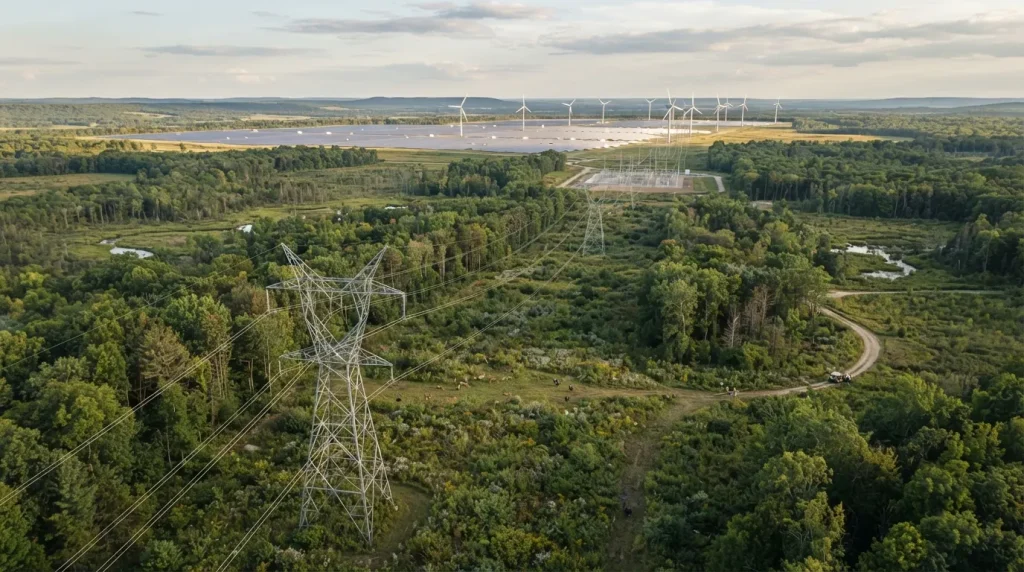
Developers can prioritize previously disturbed land, brownfields, degraded agricultural areas and locations close to existing transmission. Solar projects can also incorporate vegetation and habitat-management strategies where appropriate.
The EPA notes that renewable technologies provide substantial environmental benefits while also recognizing that individual technologies can have environmental trade-offs.
Why the Paradox Matters
The clean-energy transition is changing the American landscape. More generation and transmission can improve grid capacity and reduce dependence on fossil fuels. Yet poorly planned development can create localized ecological costs.
The emerging challenge is therefore not simply building more. It is building strategically.
Better mapping, early community engagement, wildlife monitoring, existing-right-of-way use and careful project design can help reconcile infrastructure needs with ecosystem protection.
The green energy paradox may ultimately have a practical solution: expand clean energy rapidly, but make smarter decisions about where and how that expansion occurs.
#GreenEnergy #CleanEnergy #RenewableEnergy #SolarEnergy #WindEnergy #EnergyInfrastructure #ClimateChange #EcosystemProtection #Wildlife #Sustainability #EnergyTransition