

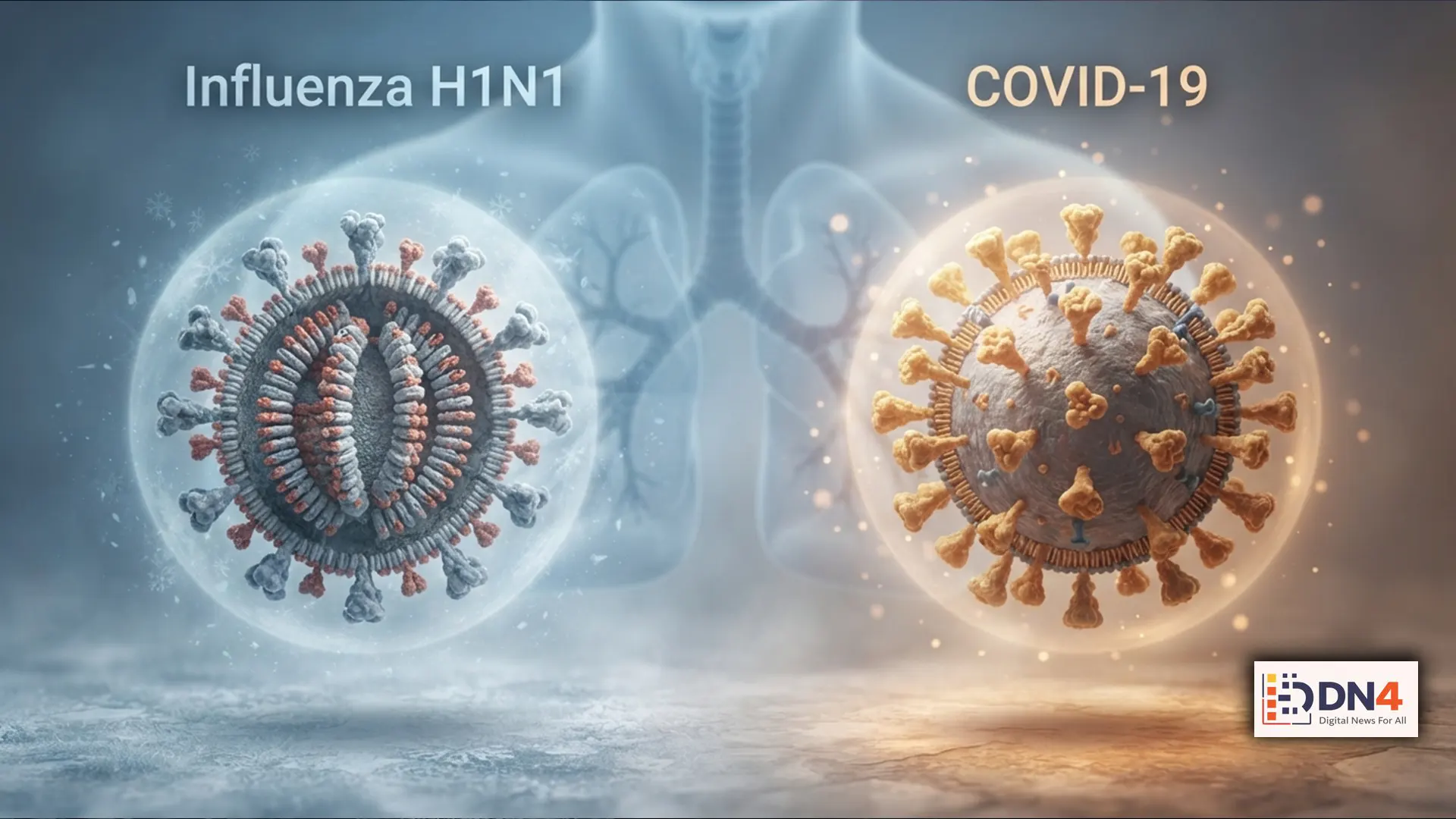
As seasonal weather changes bring more respiratory illnesses into focus, it is easy to wonder whether a fever, cough or sore throat is caused by H1N1 influenza or COVID-19. Both viruses can produce similar symptoms, and the symptoms alone generally cannot reliably distinguish one infection from the other. Testing is the best way to identify the cause.
What Is H1N1?
H1N1 refers to an influenza A virus subtype. Influenza can cause fever or chills, cough, sore throat, congestion, headaches, fatigue and muscle or body aches. Flu symptoms often appear relatively suddenly, although not everyone with influenza develops a fever.
How COVID-19 Can Look Different
COVID-19 can cause many of the same symptoms, including fever or chills, cough, sore throat, congestion, fatigue, headache and body aches. Shortness of breath can also occur. Some people experience nausea, vomiting or diarrhea, while a loss or change of taste or smell can occur as well. Symptoms can vary between individuals and may change as SARS-CoV-2 variants evolve.

H1N1 vs. COVID-19: The Key Problem
There is no dependable symptom checklist that lets someone diagnose H1N1 vs COVID-19 at home. Both illnesses can range from mild to severe, and a person can even become infected with influenza and COVID-19 at the same time. CDC guidance notes that testing can provide a more reliable diagnosis and help healthcare professionals determine appropriate treatment.
Combination respiratory tests can detect influenza and SARS-CoV-2 from the same specimen. At-home tests capable of detecting influenza A and B and SARS-CoV-2 are also available in the United States.
Why Timing Matters
Early evaluation can be particularly important for people at increased risk of complications. Prescription antiviral medicines can treat influenza, and CDC says they work best when started as soon as possible, ideally within two days of symptoms beginning.
People who are at higher risk for serious illness should contact a healthcare professional promptly when respiratory symptoms develop rather than waiting to see whether the illness becomes severe.

When to Seek Urgent Care
Difficulty breathing, chest pain, bluish lips or face, severe dehydration, seizures, unusual unresponsiveness or symptoms that improve and then become significantly worse can be warning signs requiring urgent medical attention.
Prevention Still Matters
As respiratory-virus activity changes throughout the year, staying up to date with recommended vaccinations, improving ventilation, practicing good hand hygiene and avoiding close contact with others when sick can help reduce transmission.
CDC’s respiratory-virus surveillance provides ongoing information about influenza, COVID-19 and RSV activity in the United States. As of July 17, 2026, CDC reported low national levels of acute respiratory illness, with COVID-19 activity low but showing early signs of an increase in some areas and seasonal influenza activity low.
The bottom line: H1N1 and COVID-19 can look remarkably similar. Instead of trying to identify the virus from symptoms alone, testing and timely medical advice provide a safer approach—particularly for people at higher risk of complications.
#H1N1 #COVID19 #Flu #Influenza #RespiratoryViruses #HealthNews #FluSymptoms #COVIDSymptoms #PublicHealth #Wellness