

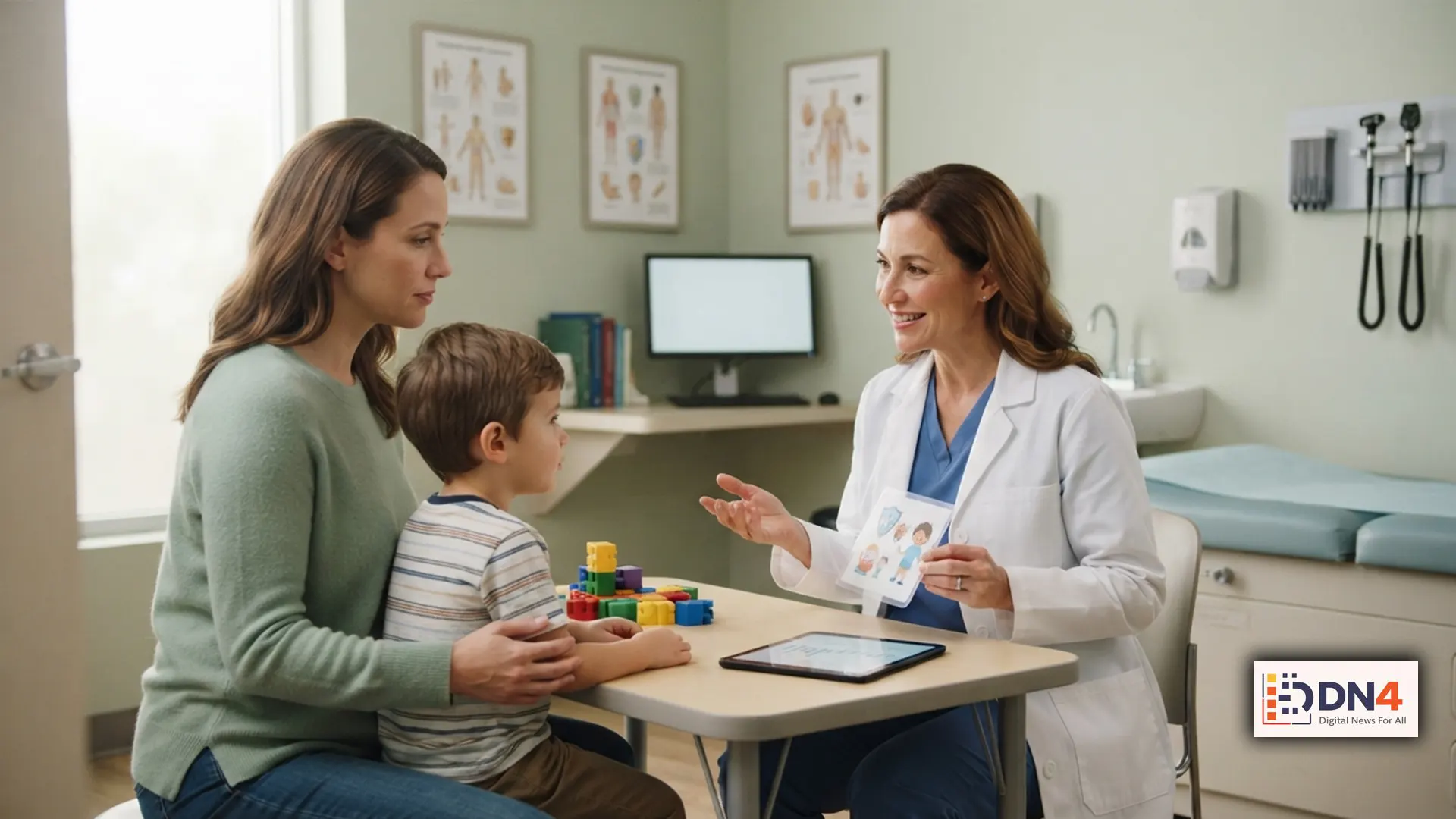
Measles remains one of the world’s most contagious viral diseases, and renewed outbreaks are highlighting the importance of recognizing symptoms early and maintaining high vaccination coverage. The disease can cause serious complications, particularly in young children and people who are not protected by vaccination. The World Health Organization (WHO) says measles caused an estimated 95,000 deaths worldwide in 2024, despite the availability of an effective vaccine. WHO reports that vaccination prevented nearly 59 million deaths between 2000 and 2024.
What Are the First Measles Symptoms?
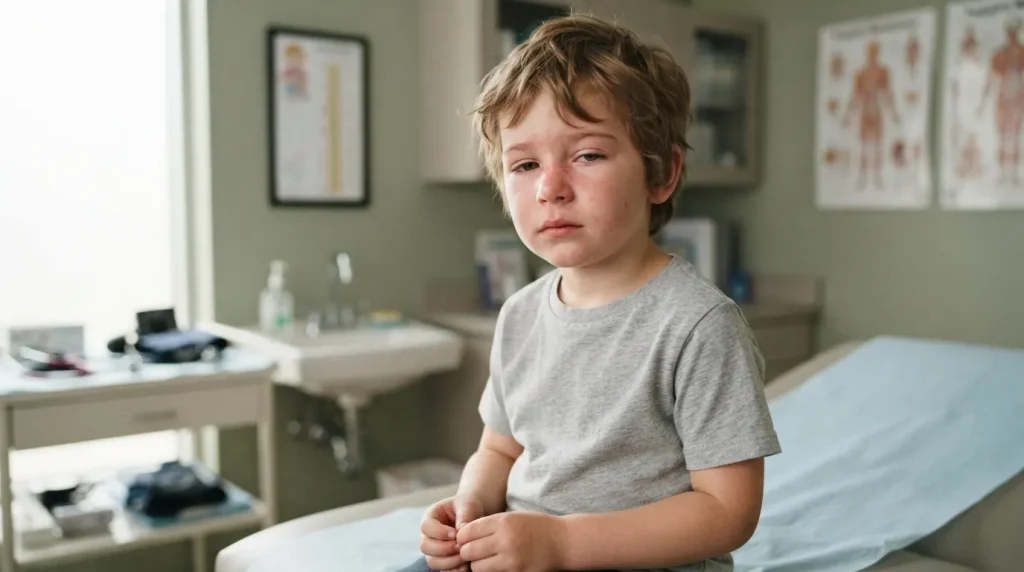
Measles symptoms typically begin about 7–14 days after infection. According to the U.S. Centers for Disease Control and Prevention (CDC), early symptoms include high fever, cough, runny nose and red, watery eyes. Tiny white spots called Koplik spots can appear inside the mouth two or three days after the initial symptoms.
A characteristic red rash usually develops several days after the first symptoms. It commonly begins on the face and hairline before spreading downward across the body. Because measles is extremely contagious, someone with symptoms should contact a healthcare professional before arriving at a clinic so appropriate infection-control precautions can be arranged.
Why Measles Outbreaks Are a Concern in 2026
U.S. surveillance shows significant measles activity in 2026. As of August 20, the CDC reported 2,777 confirmed measles cases in the United States and 36 new outbreaks during the year. The agency said 94% of confirmed cases were associated with outbreaks.
These figures demonstrate why vaccination coverage matters. Measles spreads through the air and can move rapidly through communities where immunity is insufficient. WHO also continues to report measles activity internationally, including significant outbreaks in parts of Asia and other regions.
Why the MMR Vaccine Is Crucial
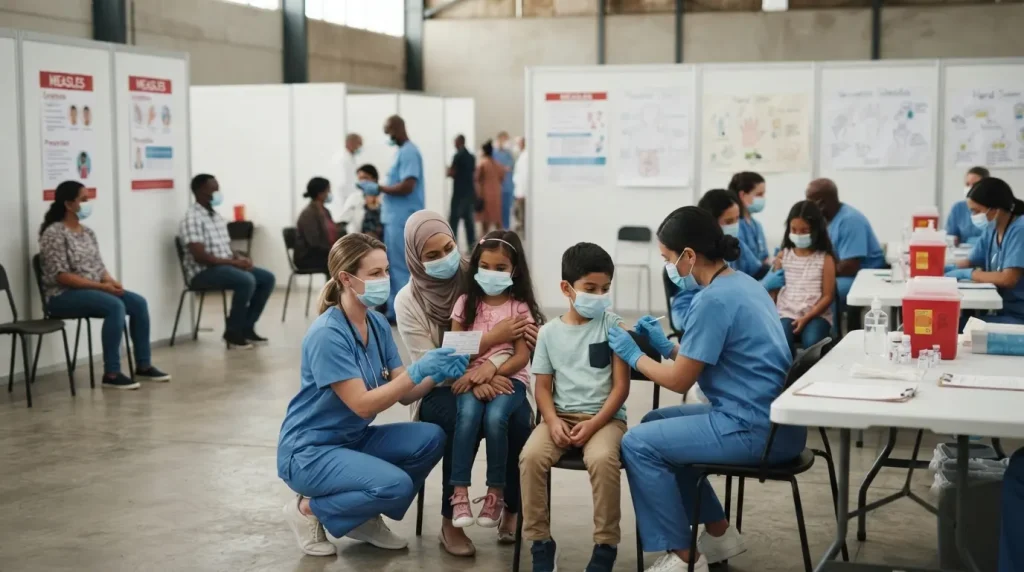
The measles, mumps and rubella (MMR) vaccine provides the best protection against measles. The CDC recommends two doses for people who should receive routine measles vaccination.
Vaccination protects the individual while also reducing opportunities for the virus to spread to infants, people with certain medical conditions and others who cannot be adequately protected through vaccination. CDC outbreak investigations continue to identify high vaccination coverage as the most effective public-health intervention for preventing measles transmission.
What Should You Do After Possible Exposure?
If you believe you have been exposed to measles, contact a healthcare provider or local health department promptly rather than visiting a waiting room without warning. If your vaccination history is uncertain, the CDC says that receiving an additional MMR dose is not harmful when you may already be immune, although a healthcare professional can also use testing to assess immunity when appropriate.
Anyone experiencing difficulty breathing, severe dehydration, confusion, significant weakness or other serious symptoms should seek urgent medical attention. Measles can cause complications including pneumonia and inflammation of the brain, so it should not be dismissed as simply a childhood rash.
Measles remains preventable, but outbreaks can return when vaccination coverage falls. Recognizing fever, cough, runny nose, red eyes, and the characteristic rash can help people respond quickly. Staying up to date with the recommended MMR vaccine remains the strongest prevention strategy.
Important: This article is for general information and is not a diagnosis or substitute for medical advice. Vaccination recommendations can vary by age, country, health status and outbreak circumstances. Speak with a qualified healthcare professional or local health authority for personal medical guidance.
CDC Measles Information · CDC Measles Cases and Outbreaks · CDC Symptoms and Complications · CDC Measles Questions · WHO Measles Fact Sheet · WHO Measles Health Topic · WHO India Measles Information
#Measles #MMRVaccine #MeaslesSymptoms #MeaslesOutbreak #Vaccination #PublicHealth #HealthNews #VaccineAwareness #DiseasePrevention #CDC #WHO