

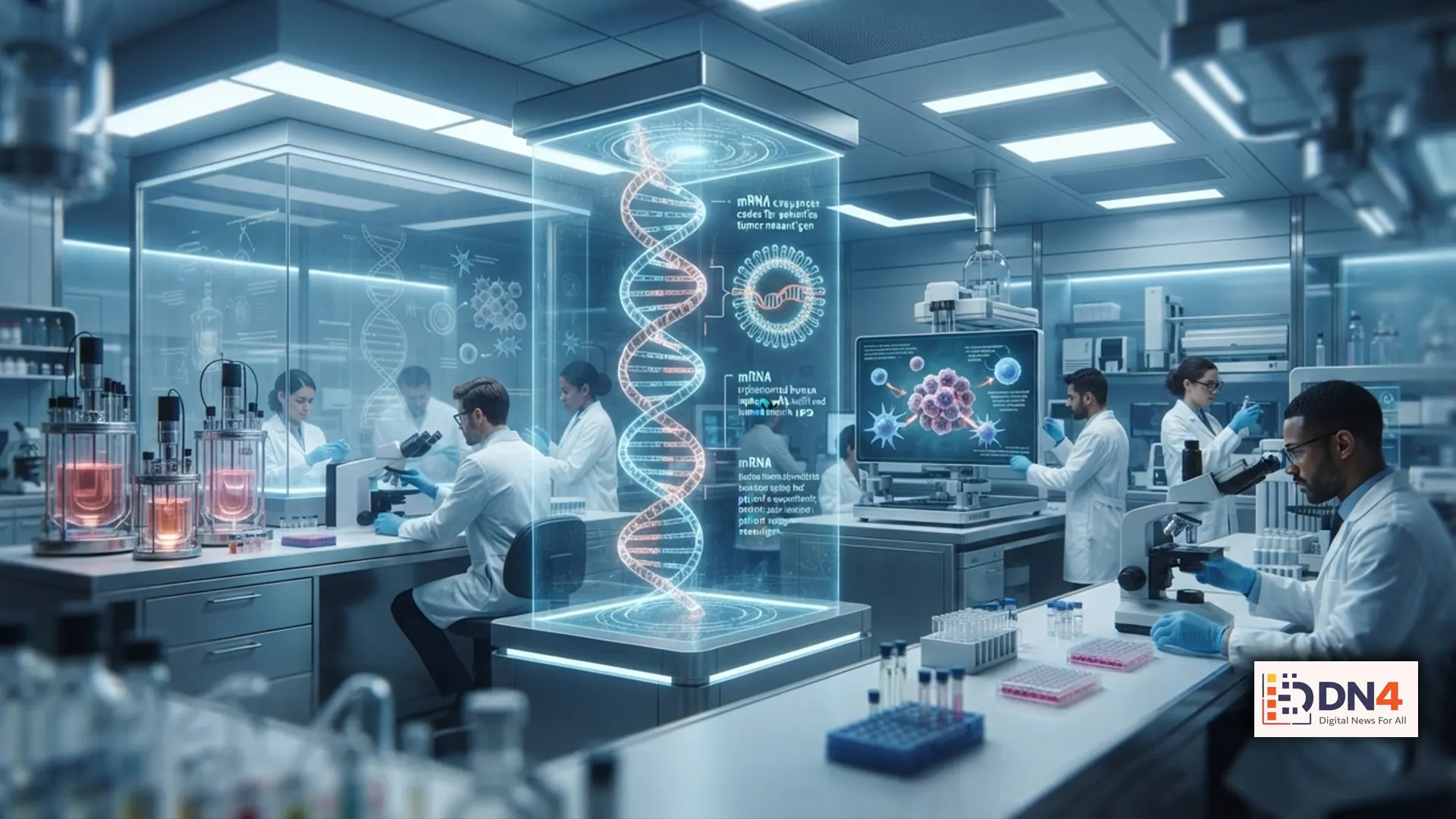
A major milestone in cancer research has put personalized mRNA cancer vaccines back at the center of the oncology conversation. Moderna and Merck announced on August 19, 2026, that their investigational therapy, intismeran autogene, formerly known as mRNA-4157/V940, met the primary and a key secondary endpoint in a Phase 3 trial involving patients with high-risk melanoma.
The results could represent an important step toward a new model of cancer treatment: designing a therapy around the molecular characteristics of an individual patient’s tumor rather than relying on a one-size-fits-all approach.
How the Personalized Vaccine Works
Unlike traditional preventive vaccines, this personalized mRNA cancer vaccine is being developed as a treatment after cancer has already been diagnosed and surgically removed.
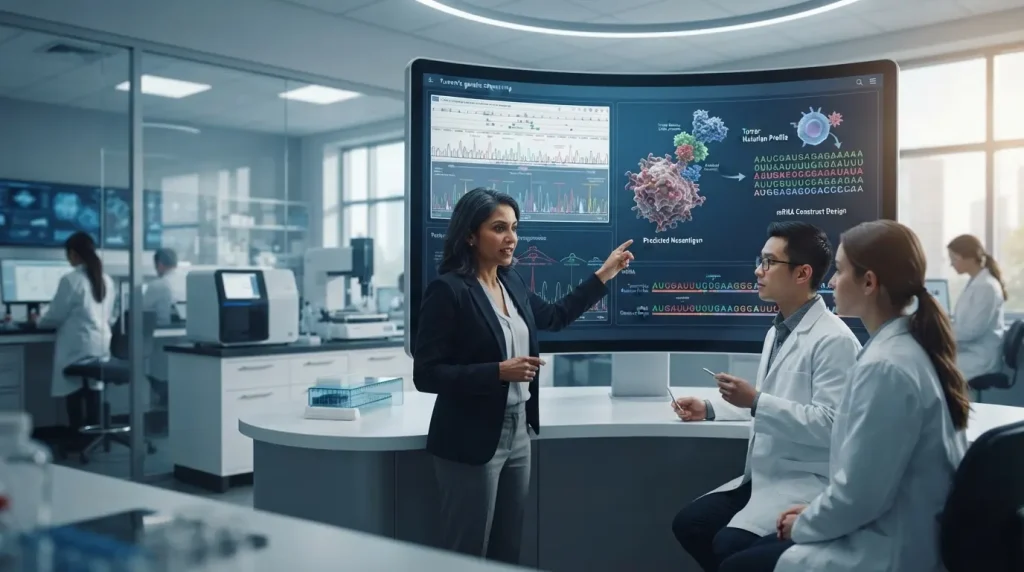
Researchers analyze genetic information from a patient’s tumor to identify mutations known as neoantigens. The resulting individualized mRNA treatment is designed to teach the immune system to recognize those tumor-specific targets and attack remaining cancer cells.
Why the Phase 3 Result Matters
The Phase 3 INTerpath-001 trial enrolled more than 1,100 patients with completely resected, high-risk melanoma. Participants received either Merck’s KEYTRUDA immunotherapy alone or the combination of KEYTRUDA and intismeran autogene.
According to the companies, the combination significantly improved recurrence-free survival and distant metastasis-free survival compared with KEYTRUDA alone. Reuters reported that the trial involved 1,137 patients with surgically removed stage IIB-IV melanoma and that no new safety concerns were identified. The Reuters report on the Phase 3 results provides additional context.
A Long Development Journey
The breakthrough did not happen overnight. Moderna and Merck previously reported encouraging Phase 2b results, with the combination reducing the risk of recurrence or death by 49% after approximately three years of follow-up. The companies then launched the pivotal Phase 3 program to confirm whether those findings could translate into a larger patient population.
The earlier results also helped the therapy receive FDA Breakthrough Therapy Designation for high-risk melanoma.
Could This Change Cancer Treatment?
The potential significance extends beyond melanoma. Moderna and Merck are studying the personalized mRNA approach in other cancers, including non-small cell lung, bladder, kidney, pancreatic and gastrointestinal cancers.
The National Cancer Institute’s overview of cancer immunotherapy explains the broader principle behind treatments that harness the immune system against cancer. Personalized neoantigen therapy takes that concept a step further by attempting to tailor immune recognition to an individual tumor.
What Happens Next?
Despite the landmark result, the therapy is still investigational and is not yet an approved replacement for existing cancer treatments. Detailed Phase 3 data will be important for understanding the magnitude and durability of the benefit, overall survival outcomes, safety and practical manufacturing requirements.
Regulatory discussions will also determine the next stage. If the full dataset confirms the topline findings, the Moderna-Merck program could become one of the most closely watched examples of personalized medicine in oncology.
For now, the Phase 3 success provides an important proof of concept: mRNA technology may have applications far beyond infectious diseases, potentially allowing cancer treatment to become increasingly individualized.
#Moderna #Merck #CancerResearch #MRNACancerVaccine #PersonalizedMedicine #Oncology #Melanoma #CancerTreatment #Immunotherapy #Biotechnology #MedicalInnovation #HealthNews