

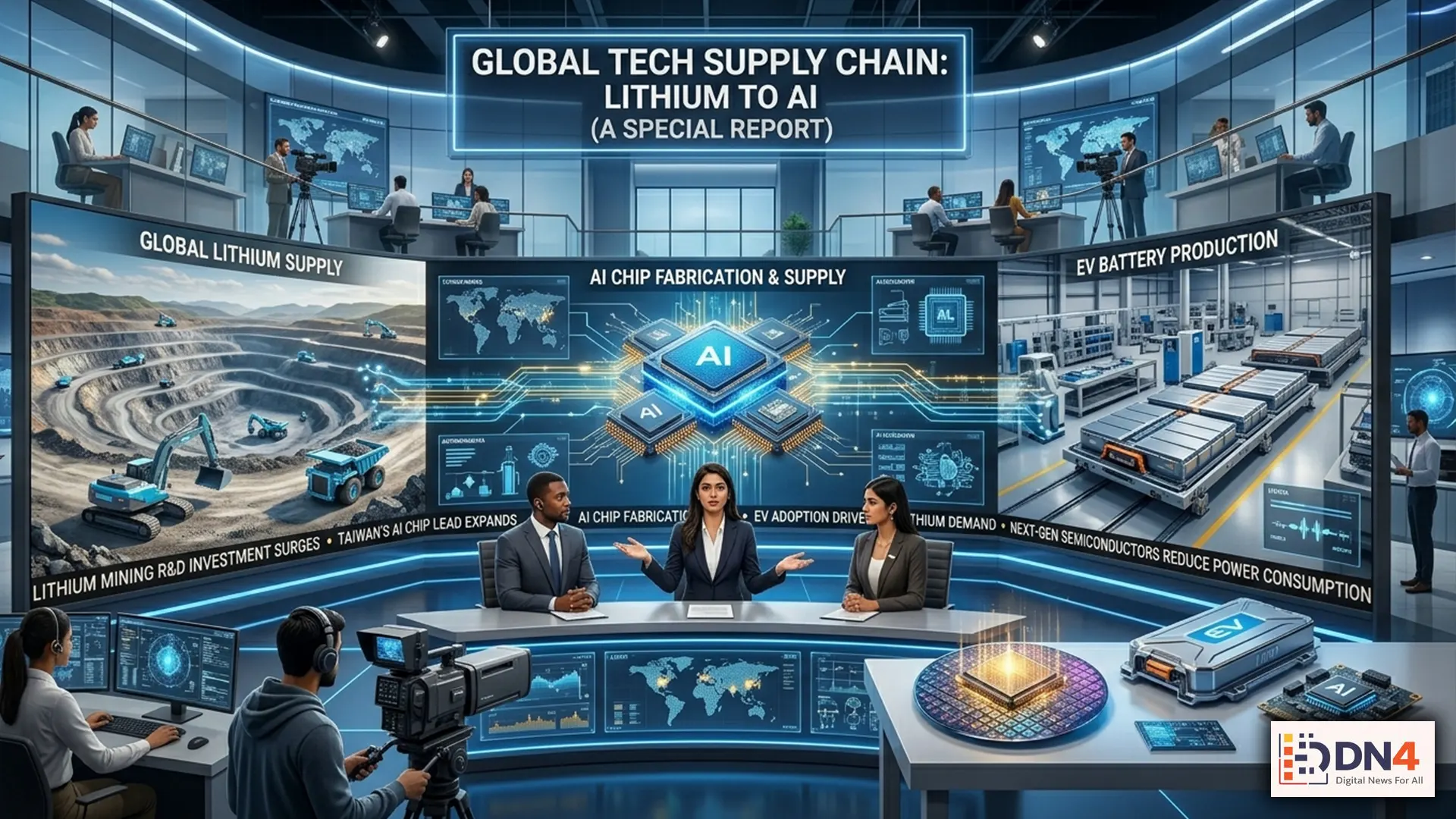
From smartphones and laptops to electric vehicles and AI-powered data centers, the global technology industry depends heavily on critical minerals. As worldwide demand for advanced electronics accelerates, these essential raw materials are becoming increasingly expensive — and consumers are starting to feel the impact.
The rising cost of critical minerals is now influencing everything from semiconductor production to battery manufacturing, potentially making future technology upgrades significantly more expensive.
What Are Critical Minerals?
Critical minerals are raw materials considered essential for advanced technologies, renewable energy systems, defense infrastructure, and modern electronics manufacturing.
These include lithium, cobalt, nickel, graphite, copper, and rare earth elements used in batteries, semiconductors, electric vehicles, smartphones, and artificial intelligence hardware.
According to the International Energy Agency (IEA), global demand for critical minerals is expected to rise sharply as countries expand clean energy and digital infrastructure investments.
Why Prices Are Rising
Several major factors are driving higher mineral costs worldwide. Growing demand for electric vehicles, renewable energy systems, and AI-powered computing infrastructure has intensified competition for limited global supplies.
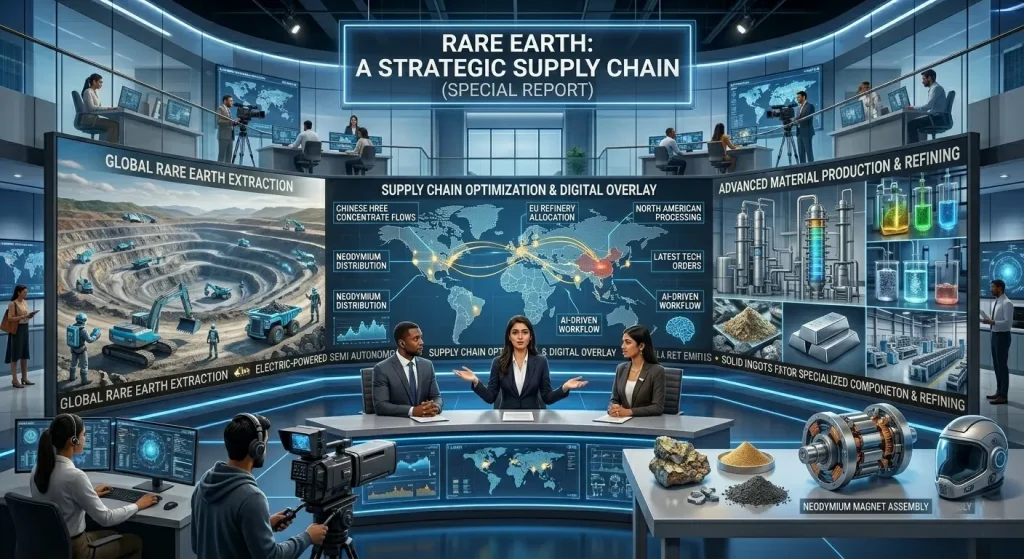
At the same time, geopolitical tensions and supply chain disruptions are creating additional uncertainty across mining and refining industries.
Reports from Bloomberg suggest many governments are increasingly concerned about dependence on a small number of countries dominating global mineral processing and exports.
How This Affects Consumer Technology
Modern electronic devices require large amounts of specialized materials. Smartphones, laptops, electric cars, and AI servers all rely on critical minerals to power batteries, processors, and high-performance computing systems.
As production costs rise, technology companies may pass some of these expenses onto consumers through higher product prices.
According to analysis from Reuters, increased mineral costs are already affecting global battery manufacturing and semiconductor supply chains.
The AI Boom Is Increasing Pressure
Artificial intelligence infrastructure is adding even more pressure to global mineral demand. AI data centers require enormous amounts of advanced semiconductors, cooling systems, and energy infrastructure — all heavily dependent on specialized materials.
Companies including Nvidia, Microsoft, and Google continue expanding AI infrastructure investments worldwide.
Experts from World Economic Forum warn that demand for critical minerals could become one of the biggest long-term challenges facing the global technology sector.
The Geopolitical Battle Over Minerals
Critical minerals are also becoming central to geopolitical competition. Countries including the United States, China, Australia, and members of the European Union are aggressively investing in mining projects and supply chain independence.
Governments increasingly view mineral access as a national security issue due to its importance for technology, energy, and defense industries.
According to the World Bank, future clean energy transitions could dramatically increase global mineral consumption over the next two decades.
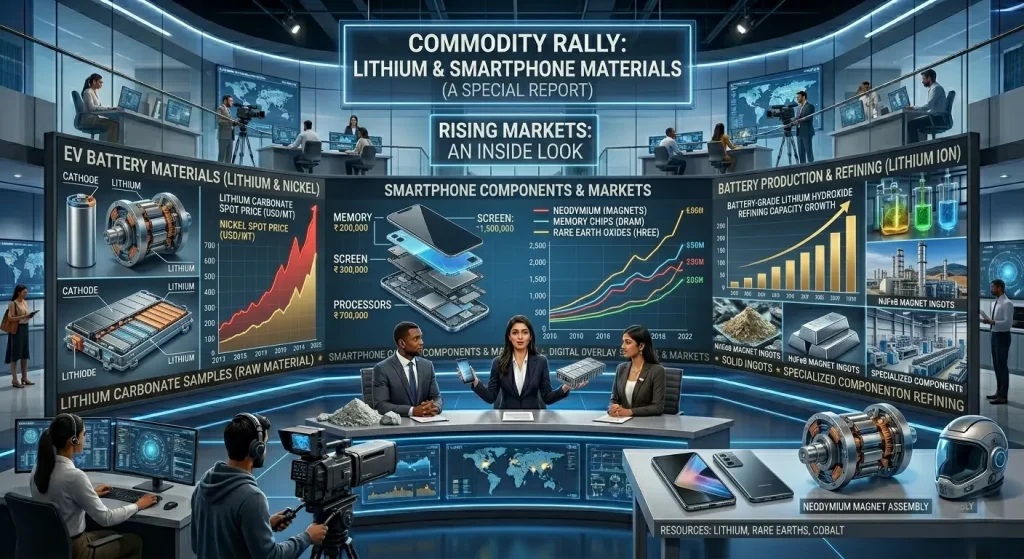
Could Tech Prices Keep Rising?
Industry analysts believe technology prices could remain under pressure if mineral demand continues outpacing supply growth. Expanding mining operations takes years, and environmental concerns often slow new extraction projects.
Companies are now exploring recycling technologies, alternative battery chemistries, and more efficient manufacturing systems to reduce long-term mineral dependency.
Critical minerals are rapidly becoming one of the most important forces shaping the future cost of technology. As AI, electric vehicles, and clean energy industries expand globally, competition for these resources is intensifying.
For consumers, that means future smartphones, laptops, electric cars, and AI-powered devices may become increasingly tied to the volatile economics of global mineral supply chains.
The next tech upgrade may depend not only on innovation — but also on who controls the world’s most valuable minerals.
#CriticalMinerals #TechIndustry #Semiconductors #ElectricVehicles #AIInfrastructure #RareEarth #BatteryTechnology #GlobalSupplyChain #TechnologyNews