

 By Vinod Ram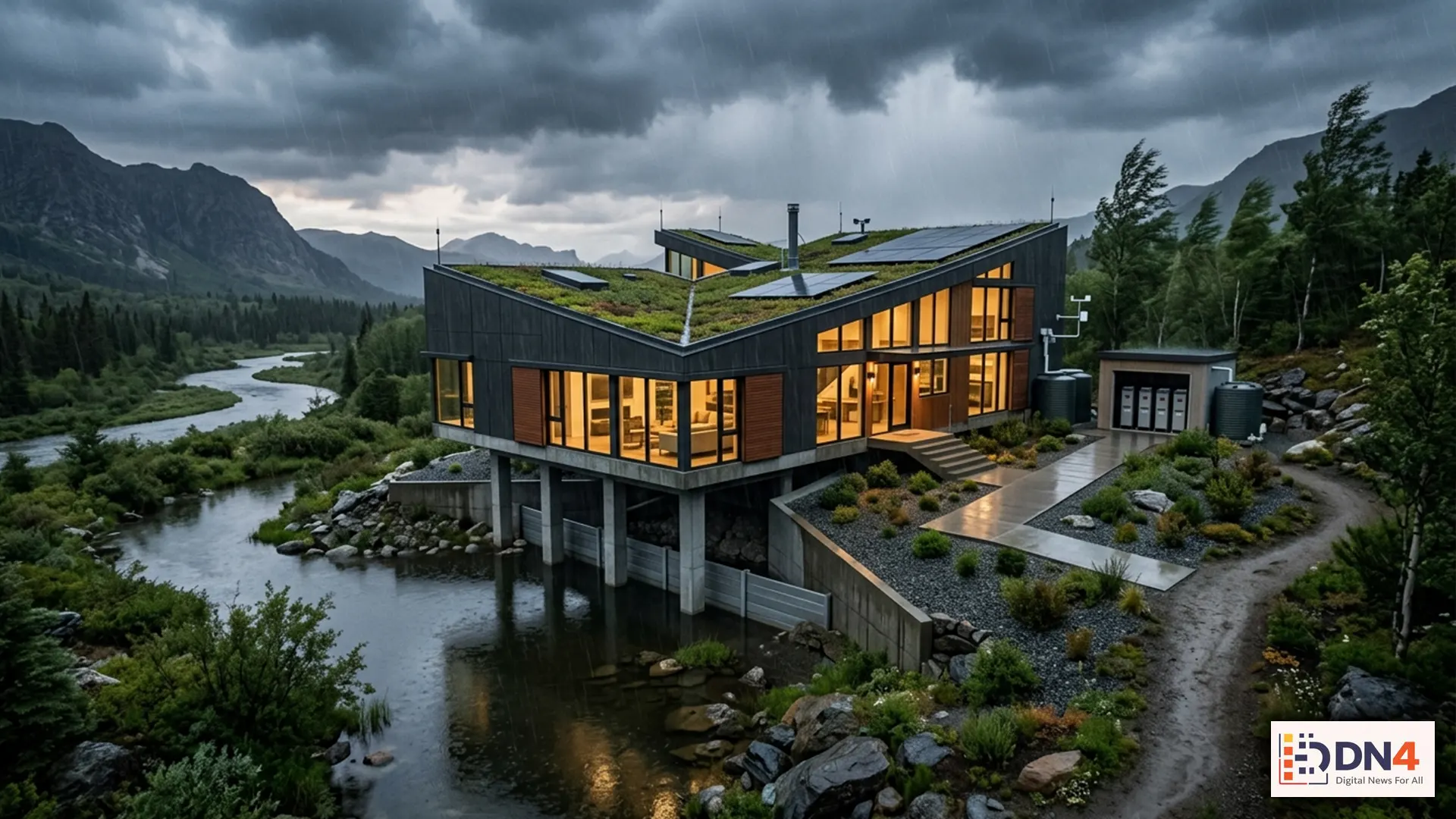
As climate-related disasters become more frequent and severe, homeowners worldwide are increasingly looking for ways to protect their properties from rising environmental risks. From floods and wildfires to heatwaves and severe storms, climate-proofing a home is quickly becoming both a financial necessity and a long-term investment strategy.
In 2026, experts warn that extreme weather events could continue affecting insurance costs, property values, and infrastructure stability across many regions.
Why Climate-Proofing Matters More Than Ever
Climate change is reshaping how homeowners think about property safety and resilience. Rising temperatures, stronger hurricanes, prolonged droughts, and urban flooding are creating new risks for residential communities.
According to the National Oceanic and Atmospheric Administration (NOAA), weather-related disasters have caused record-breaking economic losses in recent years.
As a result, homeowners are increasingly investing in preventative upgrades designed to reduce long-term damage and insurance exposure.
Protecting Against Flood Risks
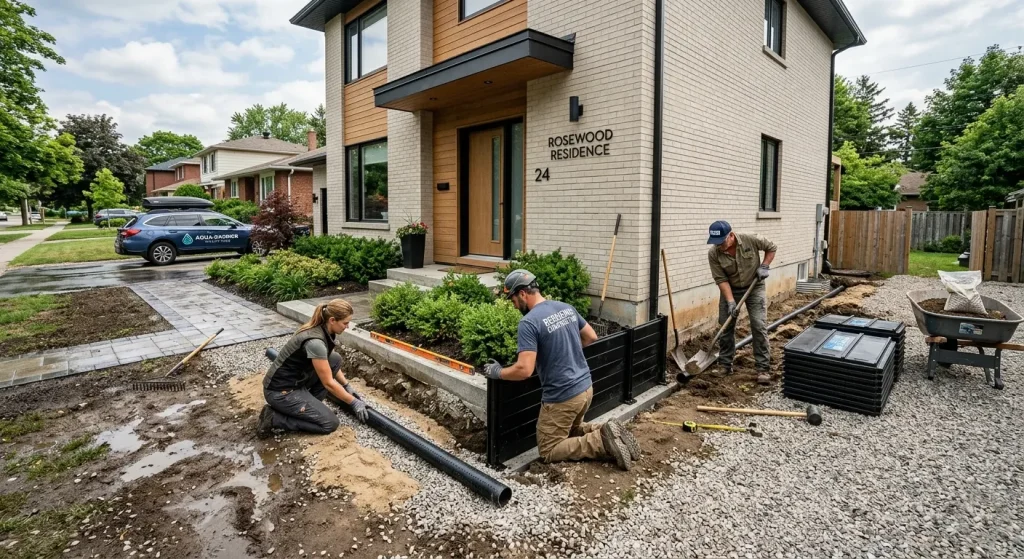
Flooding remains one of the most expensive climate-related threats for homeowners. Even properties outside traditional flood zones are becoming vulnerable due to changing rainfall patterns and aging drainage infrastructure.
Experts from FEMA recommend elevating critical systems such as electrical panels, installing flood barriers, improving drainage systems, and using water-resistant building materials where possible.
Smart landscaping techniques can also help redirect excess water away from homes during heavy storms.
Preparing for Heatwaves and Energy Stress
Extreme heat is becoming another major challenge for homeowners in 2026. Rising temperatures increase energy costs while placing additional strain on cooling systems and power grids.
Installing reflective roofing, better insulation, energy-efficient windows, and smart climate control systems can significantly improve home resilience during heatwaves.
According to analysis from U.S. Department of Energy, energy-efficient home upgrades may also lower long-term utility costs while improving indoor comfort during extreme weather conditions.
Wildfire Protection Is Expanding Beyond Traditional Zones
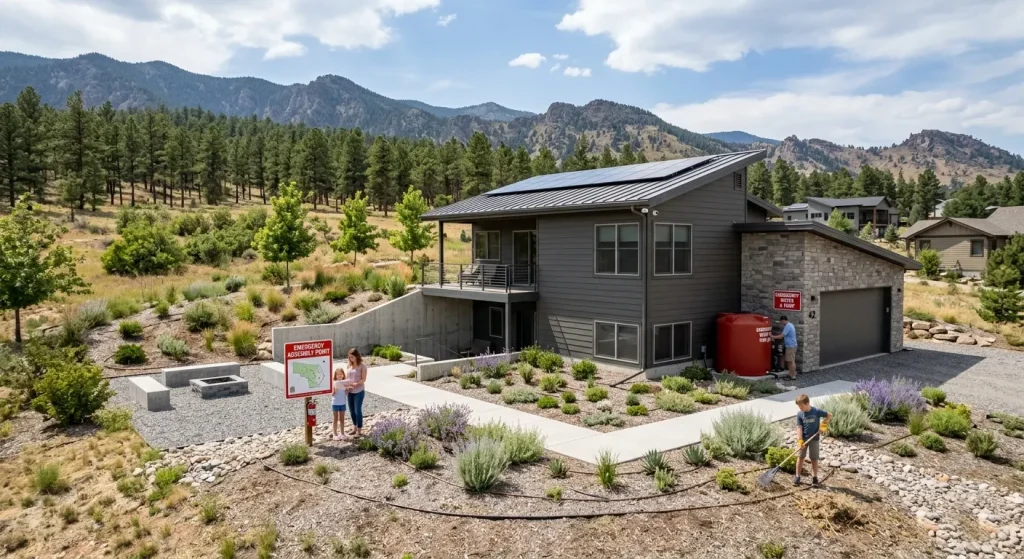
Wildfire risks are no longer limited to historically vulnerable rural regions. Expanding drought conditions and higher temperatures are increasing wildfire exposure in suburban communities as well.
Homeowners are now investing in fire-resistant roofing materials, ember-resistant vents, defensible landscaping zones, and upgraded outdoor sprinkler systems.
Reports from National Fire Protection Association highlight how proactive property maintenance can significantly reduce wildfire damage risks.
Storm-Proofing Your Property
Severe storms and hurricanes continue threatening homes in many coastal and inland areas. Reinforcing roofs, upgrading windows to impact-resistant glass, and securing outdoor structures are becoming increasingly common climate adaptation strategies.
Backup generators and battery storage systems are also gaining popularity as power outages become more frequent during major weather events.
According to Redfin, buyers are increasingly considering climate resilience features when evaluating long-term property investments.
The Insurance Challenge
Climate risks are dramatically affecting the home insurance market. In some regions, insurers are raising premiums, reducing coverage options, or exiting high-risk markets entirely.
Experts from Insurance Journal suggest homeowners who invest in resilience upgrades may improve their chances of maintaining affordable coverage over time.
Why Sustainable Upgrades Matter
Climate-proofing often overlaps with sustainability. Solar panels, rainwater harvesting systems, battery storage, and energy-efficient technologies can help reduce both environmental impact and long-term operating costs.
Many governments and municipalities are also offering incentives for green home improvements and resilience-focused upgrades.
Climate-proofing a home in 2026 is no longer just about preparing for rare emergencies — it’s becoming an essential part of responsible property ownership.
As environmental risks continue evolving, homeowners who invest early in resilience, energy efficiency, and disaster preparedness may be better positioned to protect both their finances and long-term property value.
The future of homeownership increasingly depends not only on location, but also on adaptability in a changing climate.
#ClimateChange #HomeProtection #ClimateProofing #ExtremeWeather #Homeowners #FloodProtection #WildfireSafety #SustainableLiving #PropertyProtection