

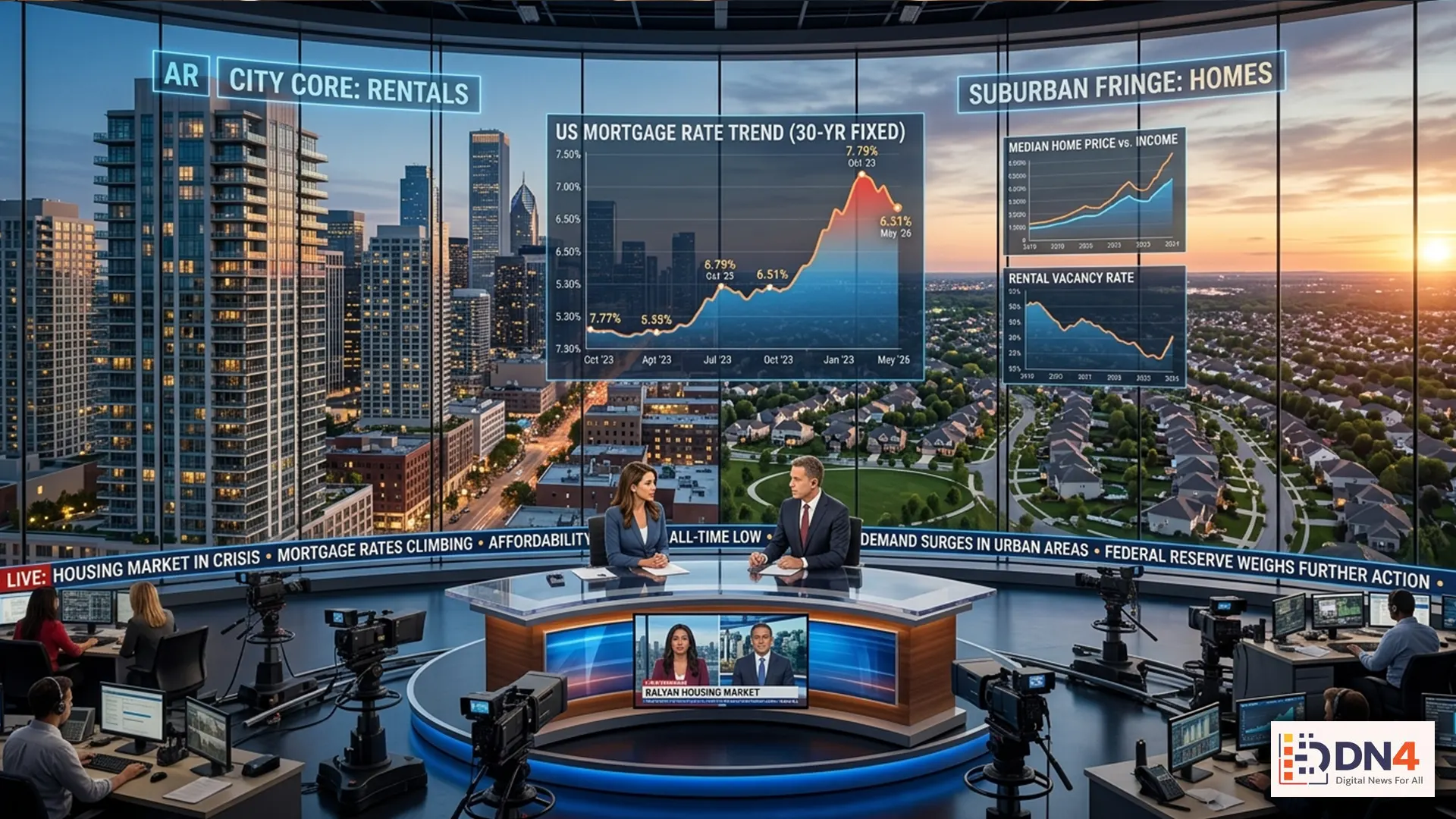
The debate over whether to rent or buy a home has become increasingly complicated in 2026 as rising mortgage rates, elevated property prices, and economic uncertainty continue reshaping the U.S. housing market.
For millions of Americans living in major metropolitan areas, affordability concerns are forcing difficult financial decisions about long-term housing stability and investment opportunities.
Why the Rent vs. Buy Debate Has Intensified
Over the past several years, home prices across many U.S. cities surged dramatically while mortgage rates climbed to levels not seen in over a decade. This combination has significantly increased monthly ownership costs for potential buyers.
According to data from Redfin, housing affordability remains under pressure in major metros including New York, Los Angeles, Miami, Austin, and San Francisco.
At the same time, rental markets have also experienced sharp price increases due to housing shortages and strong urban demand.
Where Renting Is Becoming More Attractive
In several expensive metropolitan areas, renting may currently offer greater short-term financial flexibility compared to homeownership.
Cities such as New York City and San Francisco continue seeing extremely high property prices combined with elevated borrowing costs.
Reports from Zillow suggest many younger professionals are delaying home purchases due to affordability concerns and uncertainty around future interest rate movements.
Renting also offers flexibility for workers navigating hybrid employment models and potential job relocation opportunities.
Where Buying Still Makes Financial Sense
Despite affordability challenges, buying a home can still provide long-term financial benefits in certain markets, particularly where housing inventory remains relatively affordable compared to local income growth.
Metropolitan areas in parts of the Midwest and Southeast continue attracting buyers seeking lower living costs and stronger long-term property value potential.
According to analysis from Realtor.com, cities with steady population growth and expanding job markets may continue supporting home value appreciation despite broader economic uncertainty.
The Impact of Mortgage Rates
Mortgage rates remain one of the biggest factors influencing housing affordability in 2026. Higher borrowing costs significantly increase monthly payments, making homeownership less accessible for many first-time buyers.
Experts from the Fannie Mae housing outlook suggest interest rate volatility may continue affecting buyer confidence and transaction activity throughout the year.
For some households, waiting for improved financing conditions may appear financially safer than entering an expensive housing market immediately.

Why Lifestyle Preferences Matter More Than Ever
Financial calculations are no longer the only factor shaping housing decisions. Remote work flexibility, urban migration trends, lifestyle preferences, and economic uncertainty are all influencing whether individuals choose renting or buying.
Younger generations increasingly value mobility and lower maintenance responsibilities, while others continue viewing homeownership as a long-term wealth-building strategy.
According to Bloomberg, housing decisions in 2026 are becoming more personalized as economic conditions vary dramatically between metro areas.
Could the Housing Market Shift Again?
Some analysts believe housing affordability could improve if mortgage rates stabilize or if inventory levels increase in major cities. Others warn that supply shortages and construction costs may continue keeping prices elevated.
Economic conditions, inflation trends, and Federal Reserve policy decisions will likely remain major drivers of housing market direction over the next several years.
The 2026 housing dilemma reflects a rapidly changing real estate landscape where the traditional advantages of renting versus buying are no longer universal.
For many Americans, the best decision now depends heavily on local market conditions, financial stability, career flexibility, and long-term personal goals.
As affordability challenges continue across major U.S. metros, the rent-versus-buy debate is likely to remain one of the defining financial decisions of the decade.
#HousingMarket #RentVsBuy #RealEstate #MortgageRates #HomeBuying #USHousing #HousingCrisis #PropertyMarket #FinancialPlanning