

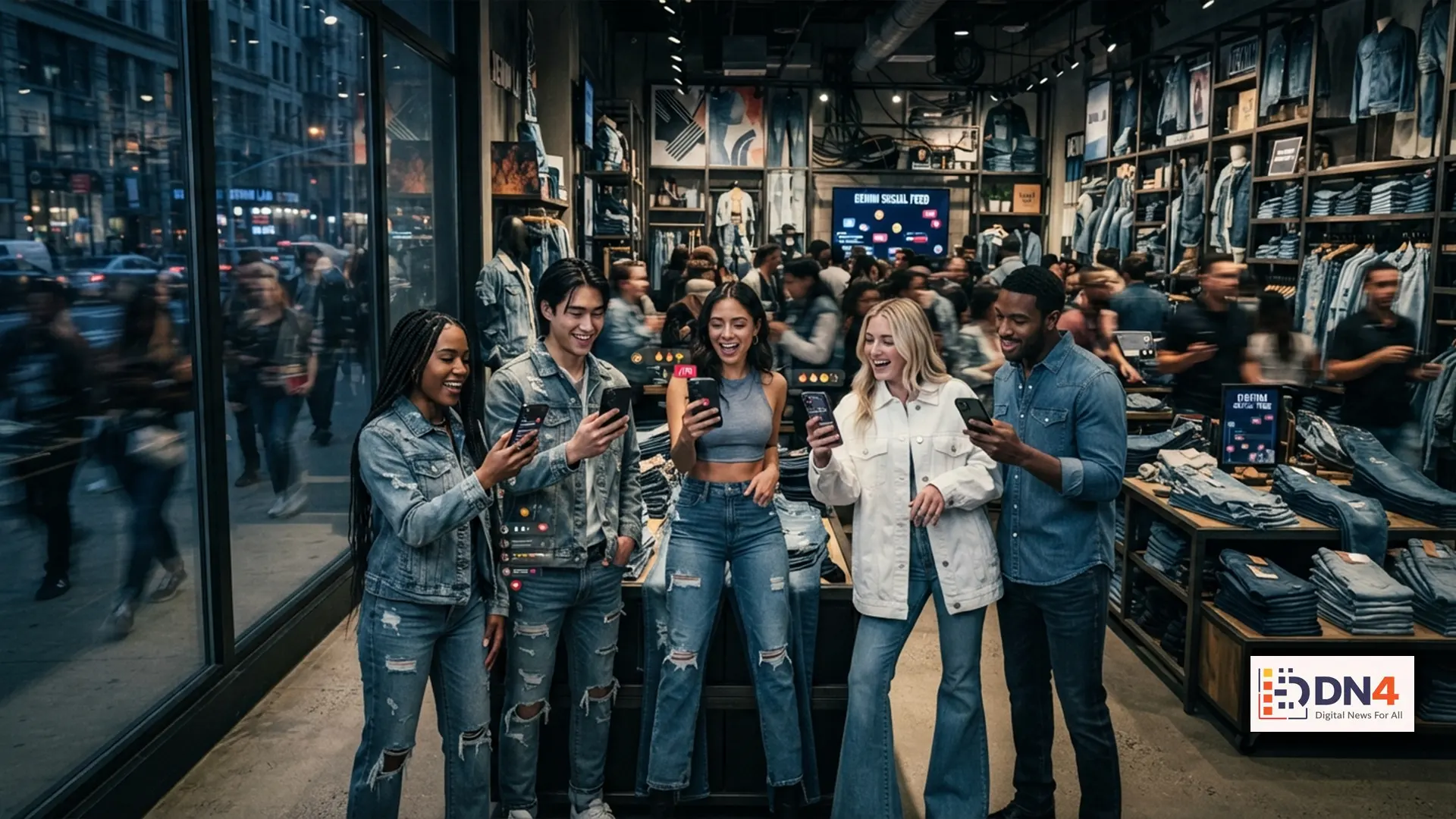
Fashion campaigns are designed to grab attention, but American Eagle’s latest marketing campaign has gone far beyond attracting customers—it has ignited a fierce online debate. Within hours of its launch, the campaign spread across social media platforms, generating millions of views, thousands of comments, and sharply divided opinions. While many praised the brand for creating a bold and memorable campaign, others criticized its messaging, creative direction, and cultural implications.
As brands increasingly compete for visibility in the crowded digital landscape, the conversation surrounding American Eagle’s latest campaign highlights how modern advertising can quickly become both a marketing success and a public relations challenge.
Why the Campaign Went Viral
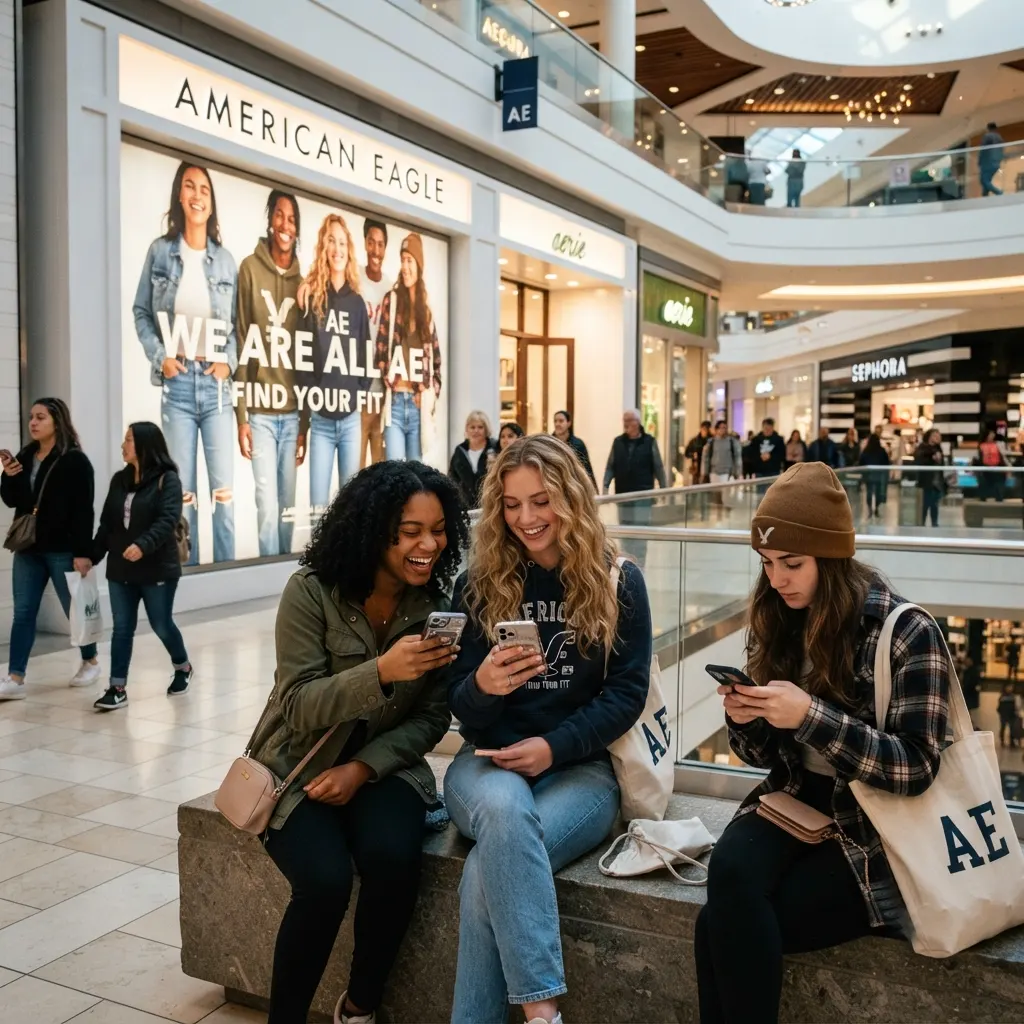
The campaign gained momentum almost immediately after its release, fueled by reactions across platforms such as Instagram, TikTok, and X (formerly Twitter). Fashion influencers, media personalities, and everyday consumers shared their opinions, making it one of the most discussed fashion campaigns of the season.
Some viewers applauded the campaign’s creativity and confidence, while others questioned whether certain visual themes and messaging crossed ethical or cultural boundaries. This divide fueled even greater online engagement.
The Power of Controversial Marketing
Marketing experts often note that controversial campaigns can dramatically increase brand visibility. According to the American Marketing Association, emotionally engaging campaigns typically generate higher consumer interaction, although they also carry reputational risks.
For brands like American Eagle, the challenge lies in balancing creativity with audience expectations. A campaign that sparks conversation may strengthen brand awareness, but negative sentiment can influence purchasing decisions if public criticism becomes widespread.
Consumer Reactions Remain Divided
Online discussions reveal two distinct perspectives. Supporters argue that fashion should challenge conventions and encourage conversations about identity, confidence, and self-expression. Critics, however, believe brands must consider broader social responsibilities when designing highly visible campaigns.
Industry observers note that today’s consumers expect transparency and authenticity. Research from Pew Research Center shows that social media significantly influences public opinion, allowing campaigns to gain worldwide attention within hours.

What This Means for the Fashion Industry
The controversy reflects a broader shift in fashion marketing. Modern campaigns are no longer judged solely by creative quality—they are evaluated through cultural, social, and ethical lenses. Global brands must now prepare for instant public feedback that can shape their reputation almost overnight.
Retail analysts suggest that even controversial campaigns can deliver increased website traffic, stronger brand recognition, and higher media coverage. However, long-term success depends on whether consumer trust remains intact. Resources such as The Business of Fashion and Adweek regularly examine how major fashion campaigns influence consumer behavior and industry trends.
Whether viewed as brilliant marketing or an unnecessary controversy, American Eagle’s latest campaign demonstrates the power of digital conversations in today’s fashion industry. The campaign has succeeded in attracting global attention, but its lasting impact will depend on how consumers ultimately respond at the checkout counter.
As brands continue pushing creative boundaries, the American Eagle debate serves as a reminder that every marketing decision can shape public perception, brand loyalty, and future advertising strategies. Readers can also explore official company updates through American Eagle Outfitters.
#AmericanEagle #FashionNews #FashionMarketing #BrandCampaign #SocialMedia #Marketing #RetailNews #Trending #FashionIndustry