

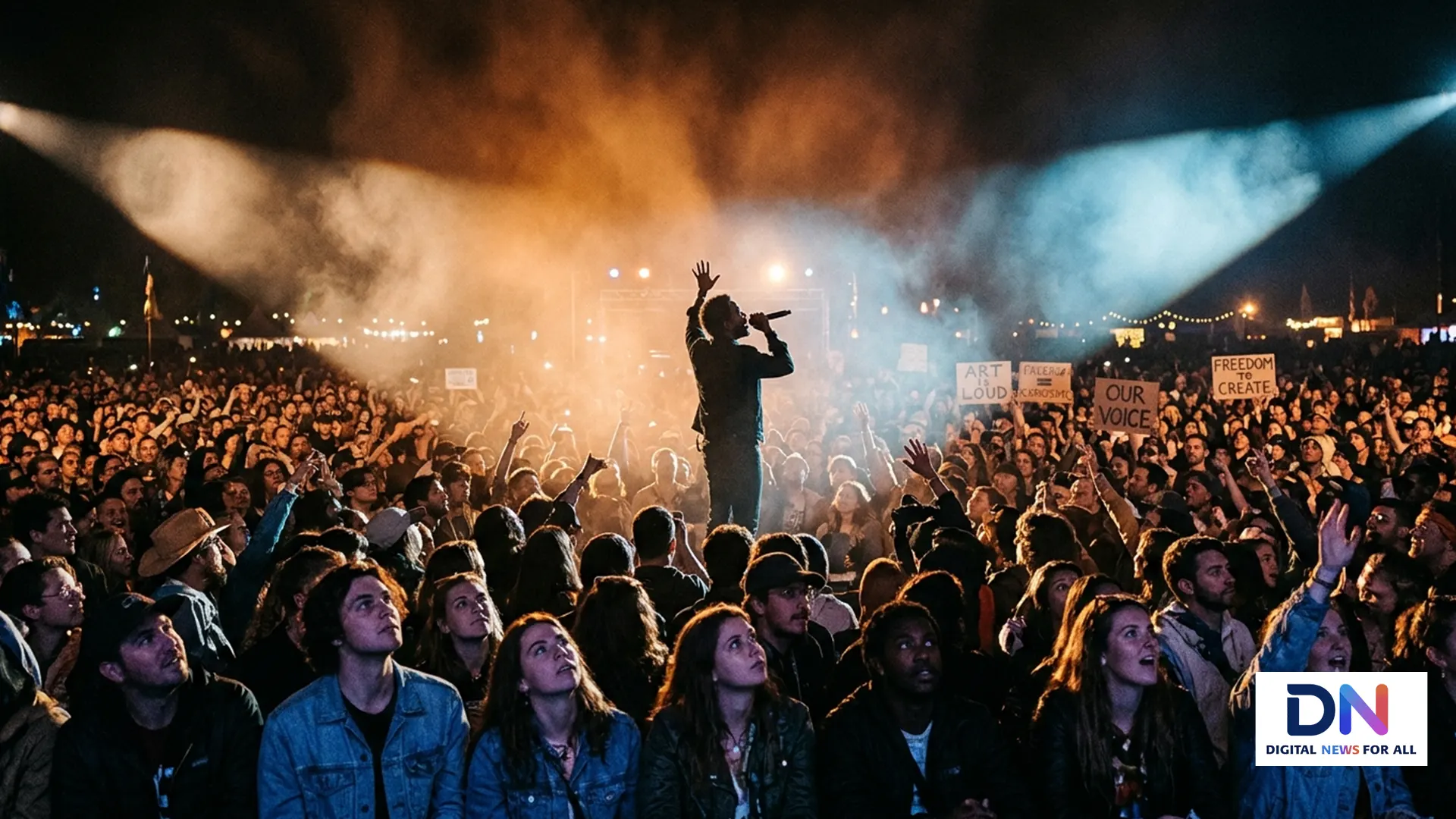
Music festivals, literary gatherings and major concert tours are increasingly becoming battlegrounds over politics, identity and free expression. Organizers face mounting pressure from audiences, artists, sponsors, venue owners and political groups. As controversies spread across social media, decisions about performers and programming can quickly become national debates.
Recent events in the United States and Australia demonstrate how complicated these disputes have become. For cultural institutions, the challenge is balancing artistic freedom, public safety, commercial partnerships and community expectations without undermining their credibility.
When Political Controversies Disrupt Festival Lineups
In 2026, plans for a Washington concert series celebrating America’s 250th anniversary faced significant cancellations after several performers withdrew. Artists questioned whether the event had become politically charged rather than remaining a broadly inclusive national celebration.
According to PolitiFact’s reporting, multiple musicians publicly distanced themselves from the event. The controversy demonstrated how artists can reconsider participation when they believe a festival’s identity or political associations conflict with their values.
Another dispute emerged during Ed Sheeran’s 2026 stadium tour. Rapper Macklemore was removed from several U.S. dates after making public statements supporting Palestinians. Other performers subsequently withdrew in protest. NPR’s coverage examined how venue owners, promoters and performers became entangled in a debate about political speech.
Literary Festivals Face Questions About Censorship
Political pressure has also reached literary institutions. Australia’s Adelaide Writers’ Week was cancelled in January after the festival disinvited Palestinian Australian author Randa Abdel-Fattah. More than 180 writers withdrew, and the festival’s board resigned amid the controversy.
The Australian Broadcasting Corporation reported that the dispute raised questions about censorship, political pressure, institutional accountability and the boundaries of acceptable expression.
Subsequent reporting revealed internal communications about anticipated boycotts, staff security concerns and institutional decision-making. The ABC’s investigation based on freedom-of-information documents highlighted the practical consequences of controversial programming decisions.
Who Controls the Stage?
Private venues generally have considerable discretion over bookings, while publicly owned venues may face constitutional restrictions when decisions involve political viewpoints. The distinction complicates debates over cancellations and artistic freedom.
The House of Lords Library’s 2026 briefing examined concerns about boycotts, cancellations and institutional pressure across the arts. It also discussed competing interpretations of how cultural organizations should respond to controversial speech.
The Future of Live Events
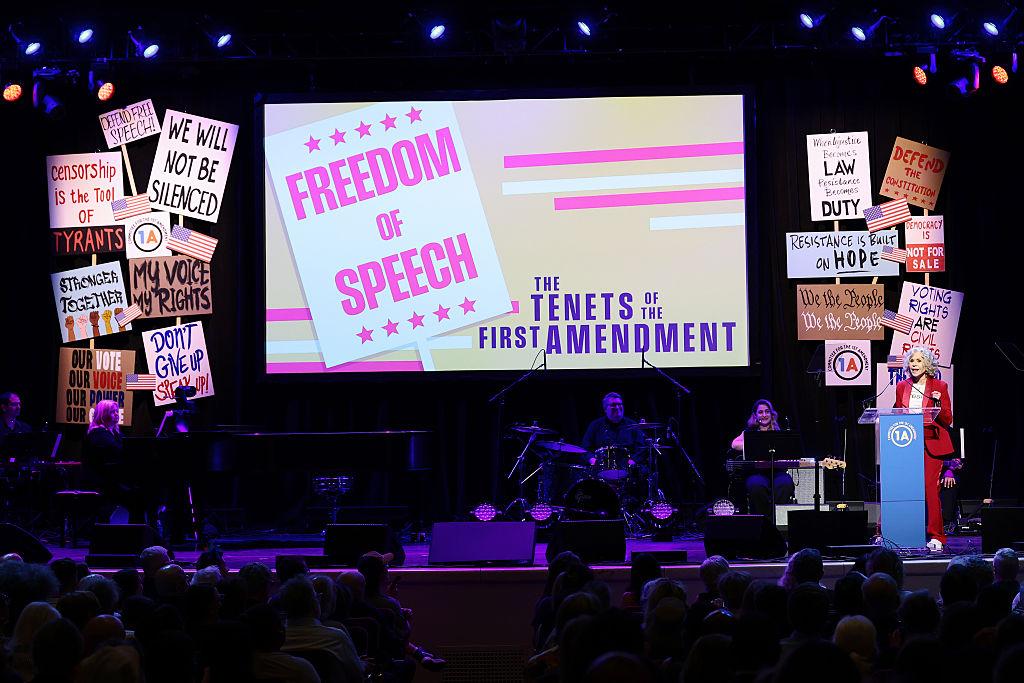
Festivals are increasingly expected to explain their sponsorships, programming decisions and responses to political controversies. Artists, meanwhile, face decisions about whether participating, withdrawing or speaking publicly could affect their careers and audiences.
The result is a difficult environment for cultural organizers. Protecting free expression does not eliminate legitimate concerns about discrimination, harassment or safety. However, avoiding controversy through blanket cancellations can also undermine artistic independence.
As the culture war continues to intersect with entertainment, the long-term challenge is building institutions capable of handling disagreement transparently. The future of live events may depend on whether festivals can create space for difficult conversations without allowing political pressure to determine who gets a platform.
#FreeExpression #CultureWar #LiveEvents #MusicFestivals #ArtisticFreedom #CensorshipDebate #ConcertCulture #EntertainmentNews #CulturalPolitics