


Inflation has become one of the biggest financial challenges facing Americans in recent years. While higher prices have made groceries, rent, healthcare, and transportation increasingly expensive, another group has quietly benefited from the same economic conditions. Many people who own assets such as real estate, stocks, and businesses have seen their wealth grow even as inflation erodes purchasing power for millions of households. Understanding why this happens helps explain the widening wealth gap in the United States.
Why Inflation Hurts Consumers
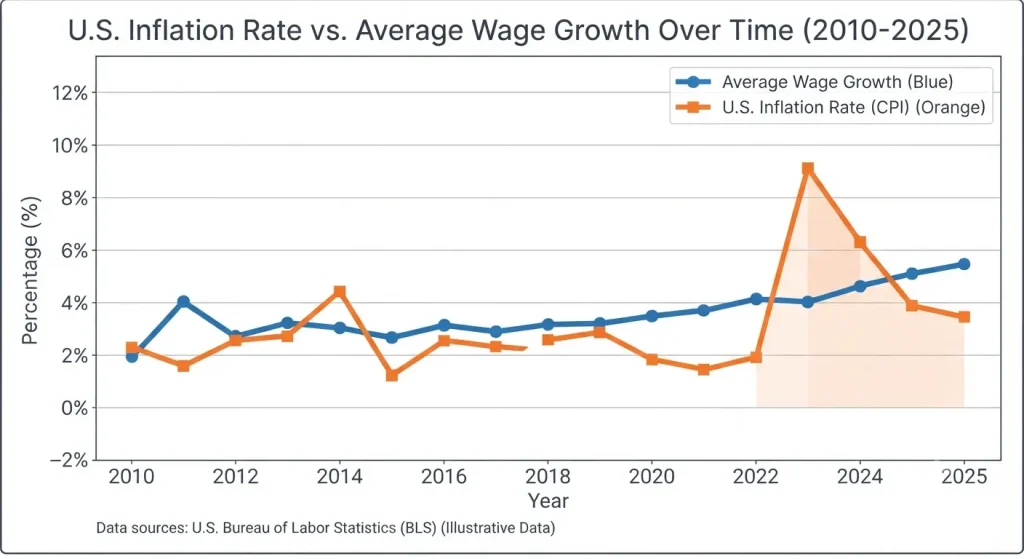
Inflation means that the cost of goods and services rises over time, reducing the value of every dollar earned. According to the U.S. Bureau of Labor Statistics, inflation is measured using the Consumer Price Index (CPI), which tracks changes in the prices consumers pay for everyday items. When wages fail to grow as quickly as inflation, families experience a decline in real purchasing power.
For households living paycheck to paycheck, rising food prices, utility bills, insurance premiums, and housing costs leave less money available for savings or investments. This financial pressure often forces consumers to delay major purchases or increase their reliance on credit.
Why Asset Owners Benefit
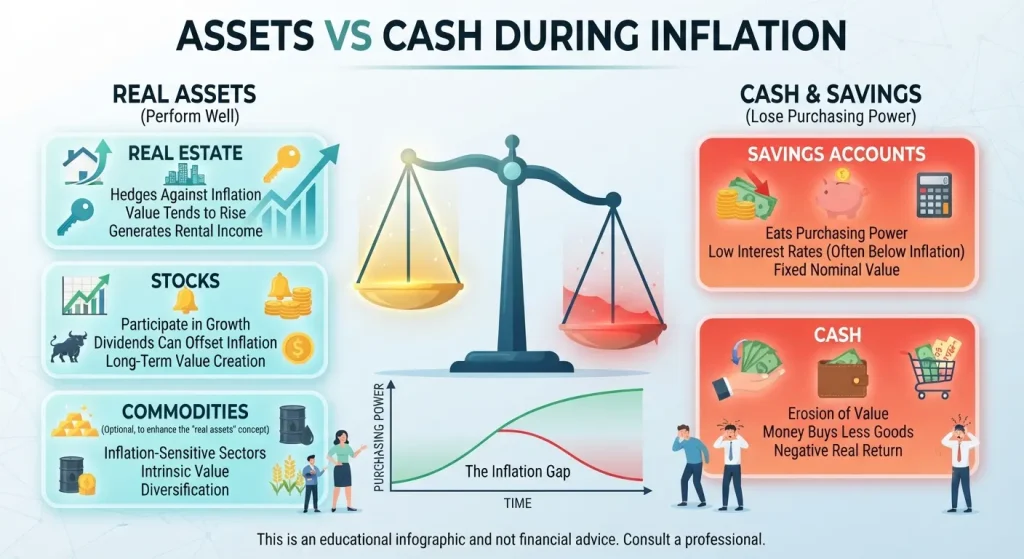
Unlike cash, many investment assets tend to appreciate during inflationary periods. Real estate values frequently rise alongside replacement costs and higher rents, while companies with strong pricing power can increase prices without losing customers. This often supports higher corporate earnings and stronger stock prices over time.
The Federal Reserve notes that inflation and interest rate policies directly influence asset prices, although different investments react differently depending on economic conditions.
Similarly, economic data published by the Bureau of Economic Analysis shows how consumer spending and economic growth continue to influence business profitability, which ultimately affects investment returns.
The Expanding Wealth Gap
The gap between asset owners and wage earners has widened because wealth increasingly comes from owning appreciating investments rather than relying solely on employment income. Homeowners have generally benefited from rising property values, while investors with diversified retirement accounts have often recovered from market downturns over the long term.
Research from the International Monetary Fund and the World Bank highlights how prolonged inflation can disproportionately affect lower-income households because a larger share of their income goes toward essential expenses.
What Everyday Americans Can Do
Although inflation cannot be avoided entirely, financial experts recommend building long-term wealth through consistent investing, reducing high-interest debt, and maintaining an emergency fund. The U.S. Securities and Exchange Commission’s Investor.gov also encourages investors to diversify portfolios and focus on long-term financial goals instead of reacting to short-term market fluctuations.
- Contribute regularly to retirement accounts.
- Invest consistently rather than timing the market.
- Reduce expensive consumer debt.
- Maintain an emergency savings fund.
- Continue improving financial literacy.
Inflation creates winners and losers, but the difference often comes down to ownership. Individuals with appreciating assets have more opportunities to preserve and grow wealth, while those relying solely on wages face increasing financial pressure. As inflation continues to shape the U.S. economy, expanding access to investing, homeownership, and financial education may become essential steps toward narrowing the growing wealth divide.
#Inflation #Economy #AssetOwners #PersonalFinance #Investing #RealEstate #WealthGap #USEconomy #FinancialLiteracy