

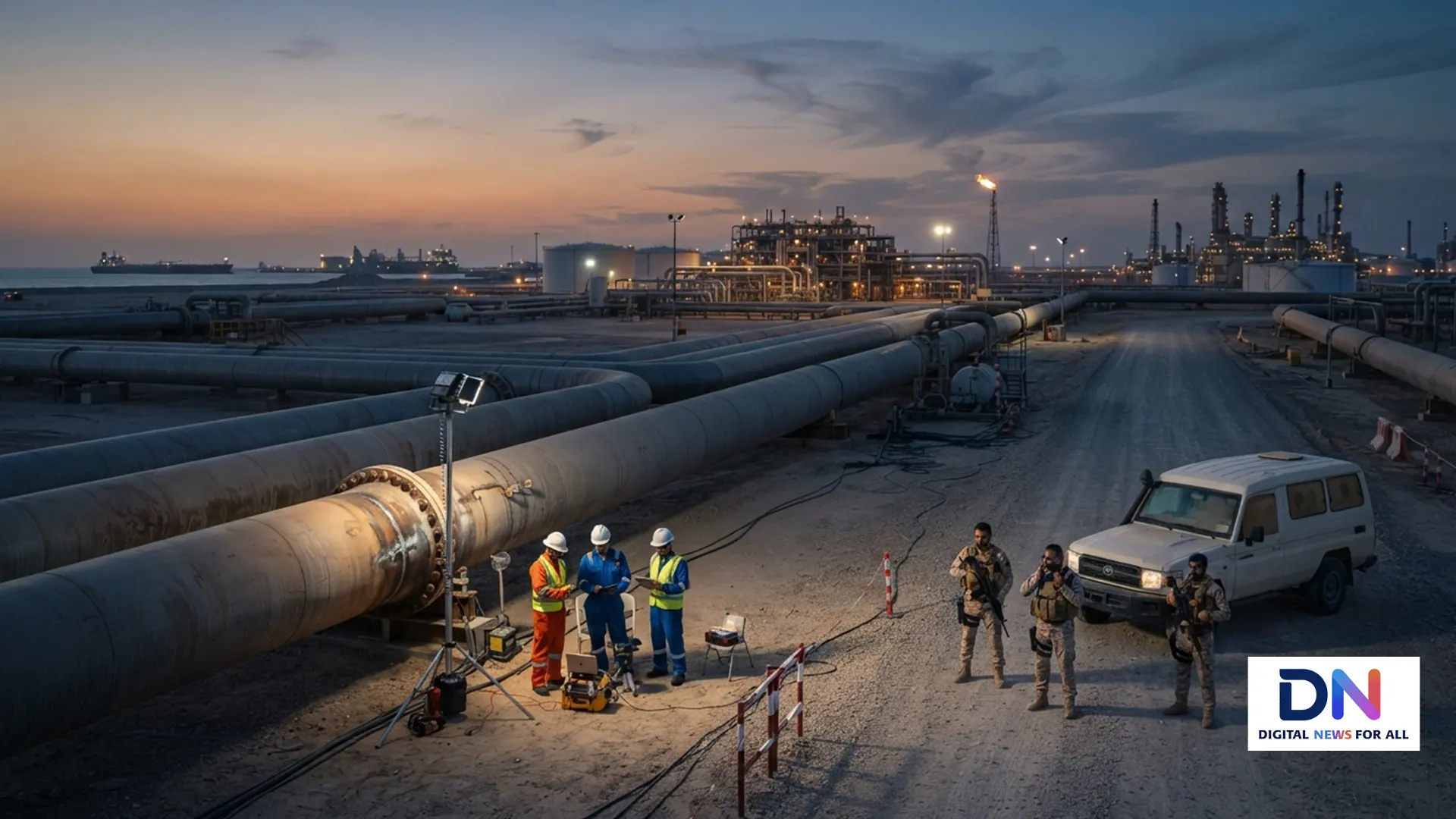
A pipeline attack in the Middle East can have consequences far beyond the country where the damage occurs. The latest disruptions show why U.S. energy security cannot be measured only by domestic production. Oil is traded through a global market, and a disruption to a major export route can affect prices from Houston to New York.
The vulnerability is particularly important in 2026. The International Energy Agency says renewed Middle East disruptions have put upward pressure on oil prices as regional supply remains constrained.
One Pipeline Can Bypass a Much Bigger Problem
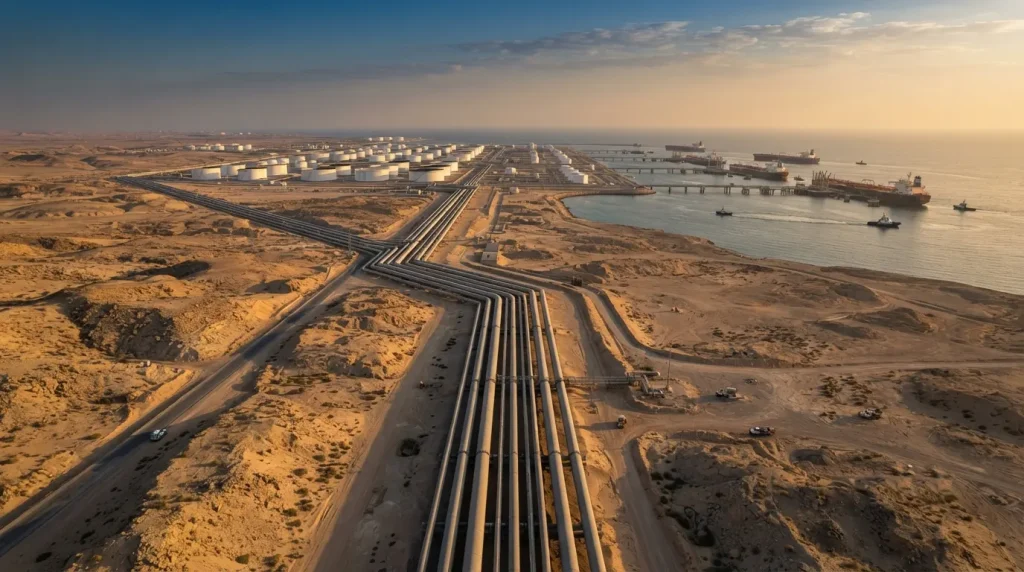
Saudi Arabia’s East-West Pipeline provides an important example. The system can move crude from the country’s eastern oil fields toward the Red Sea, allowing some exports to avoid the Strait of Hormuz.
After a September 2026 attack, Saudi Arabia temporarily closed the pipeline. The Associated Press reported that regional officials estimated repairs could take several weeks. That immediately raised concerns about additional pressure on already disrupted global oil flows.
The U.S. Energy Information Administration identifies the Strait of Hormuz as one of the world’s most important oil chokepoints. In the first half of 2025, about 20.9 million barrels per day of petroleum and other liquids moved through it.
Why US Energy Independence Has Limits
The United States produces enormous amounts of energy. In 2025, the country reached a record 31 quadrillion British thermal units of total energy exports, according to the EIA.
Yet energy independence does not mean insulation from global prices.
Oil is a globally traded commodity. U.S. producers can sell crude into international markets, while American refiners can import specific grades that match their refinery configurations. A disruption overseas can therefore raise the market price even when domestic production continues.
Middle Eastern crude represented about 8% of U.S. crude oil imports in 2025, according to EIA data. That direct exposure is smaller than the region’s importance to the global market, but the global price effect can still reach American consumers.
The Chokepoint Problem
Pipeline disruptions become especially important when they remove an alternative route.
Saudi Arabia and the United Arab Emirates have pipelines capable of bypassing some Strait of Hormuz traffic. EIA estimates that those systems could provide about 4.7 million barrels per day of bypass capacity. That is substantial, but it remains far below the roughly 20.9 million barrels per day that crossed Hormuz in the first half of 2025.
The Brookings Institution has also emphasized a crucial distinction: the United States can be the world’s largest oil producer while remaining exposed to international oil-price shocks.
What Happens to American Consumers?
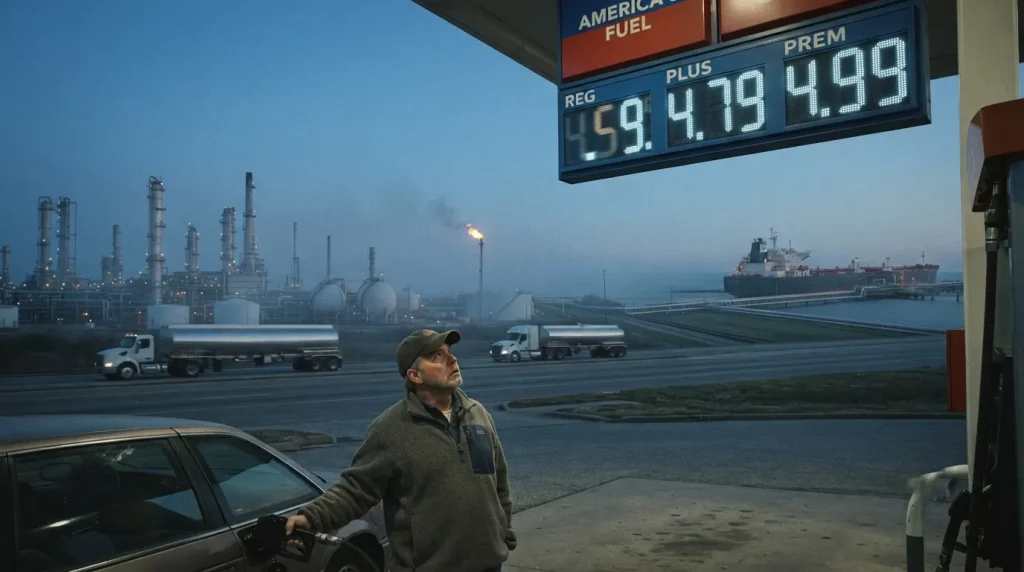
The first impact is usually financial rather than physical. Higher crude prices can increase refinery costs. Those costs can eventually feed into gasoline, diesel, jet fuel and other petroleum products.
Transportation costs can then affect businesses across the economy. Trucking, aviation, manufacturing and agriculture all depend on energy. The U.S. Strategic Petroleum Reserve provides an emergency crude-oil buffer, but strategic inventories cannot permanently replace disrupted global production.
Energy Security Is More Than Domestic Production
The lesson from Middle Eastern pipeline disruptions is not that American energy production has failed. Instead, it demonstrates the difference between production security and price security.
Domestic production can reduce direct dependence on foreign supplies. It cannot completely isolate the United States from a global commodity market.
That makes infrastructure protection, diversified transportation routes, emergency inventories and alternative energy sources important parts of energy resilience. When one pipeline goes offline, the consequences depend on how many other routes and supplies remain available.
For American consumers, that distinction matters. Energy independence can strengthen national resilience, but global oil markets mean that a pipeline attack thousands of miles away can still reach the U.S. economy through the price at the pump.
#PipelineAttack | #EnergySecurity | #MiddleEastOil | #USEnergy | #OilPrices | #EnergyIndependence | #SupplyChain