

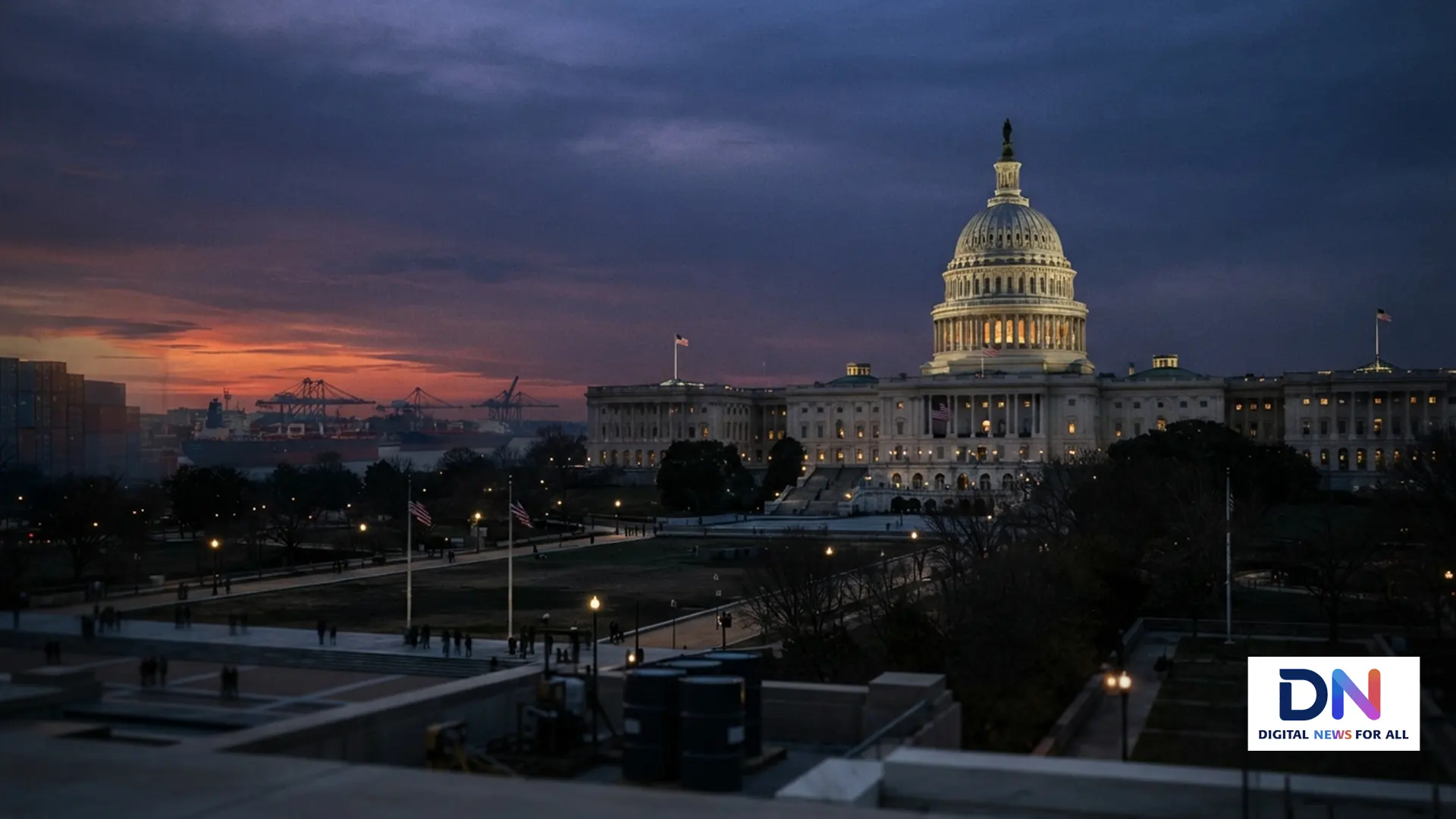
100% Russia tariffs have moved from a congressional proposal toward a potentially powerful new trade tool. On September 16, 2026, the U.S. House passed the Lindsey O. Graham Sanctioning Russia and Iran Act of 2026. The legislation now goes to President Donald Trump for consideration. Reuters reported that the bill is designed to increase economic pressure on Russia over its war in Ukraine.
What the 100% Tariff Provision Does
The legislation combines financial sanctions with a mechanism that could allow tariffs of up to 100% on goods from countries that remain major purchasers of Russian oil and gas. The measure targets Russia’s energy revenue while giving the president additional leverage over countries trading with Moscow.
The Senate previously approved the legislation by a large bipartisan margin. According to the U.S. Senate, the bill would target Russian banks, officials, energy networks and countries involved in Russian energy trade.
Why US Consumers Could Feel the Impact
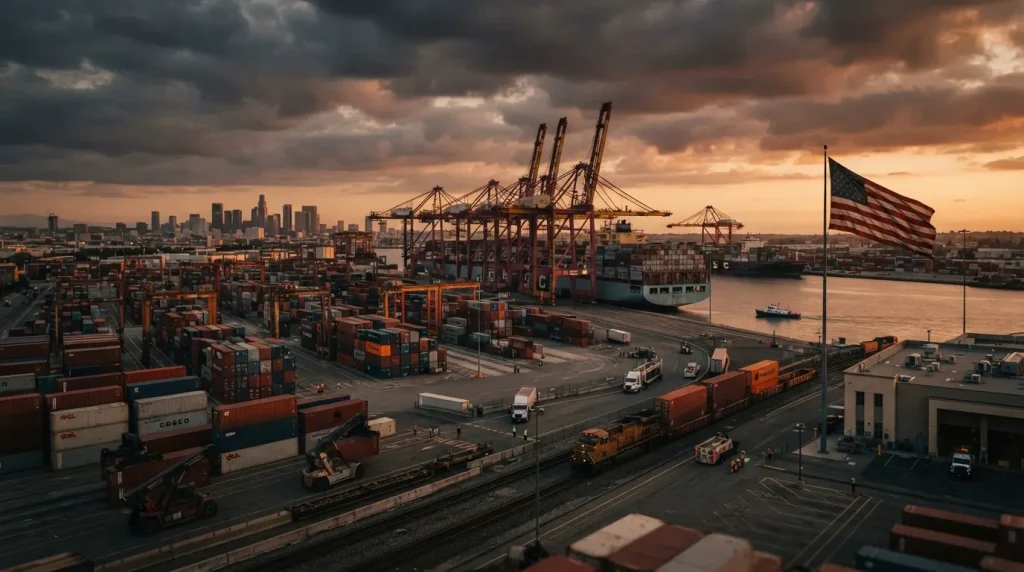
The central concern is that tariffs do not necessarily stop at the border. U.S. importers generally pay tariffs when goods enter the country. Businesses can then absorb those costs, reduce margins or pass some of them to customers through higher prices.
That creates potential exposure beyond energy. Depending on how tariff authority is applied, imported consumer products, industrial components and other goods from affected trading partners could become more expensive.
Critics in Congress have specifically warned about this transmission mechanism. Senator Ron Wyden’s office argued that expanded tariff authority could raise costs for American households and businesses. His office also highlighted potential exposure for products ranging from food and medicine to machinery and electronics.
Energy Prices Are Another Risk
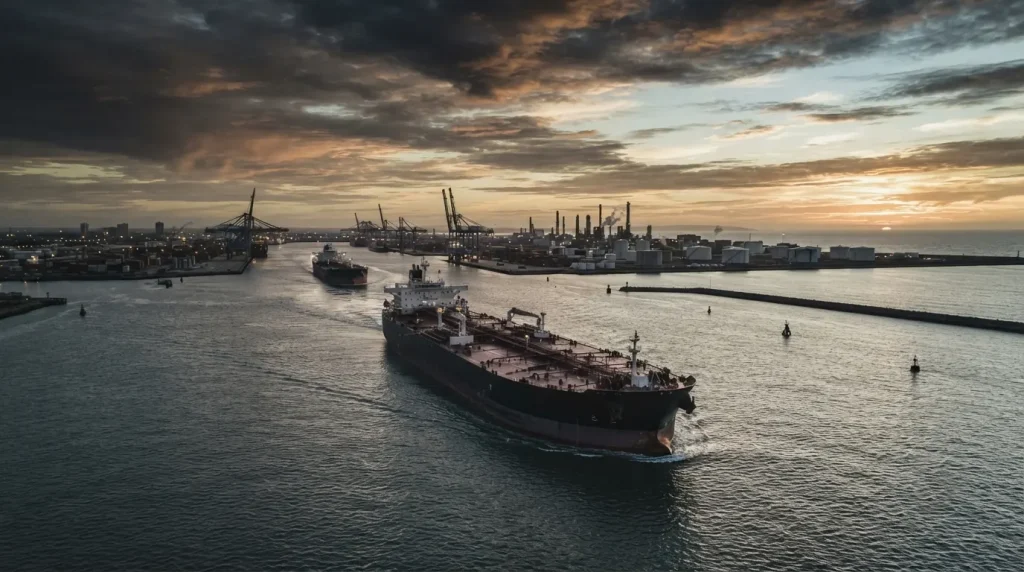
Oil markets add another layer of uncertainty. If major buyers of Russian crude reduce purchases rapidly, they may need to replace those barrels elsewhere. That could tighten global supply and increase price volatility.
The Reuters report on September 17 noted that India has already warned Washington about potential effects on energy security and bilateral trade. China and other major Russian-energy buyers could face similar decisions.
The Bigger Economic Question
Supporters argue that stronger economic pressure could reduce Russia’s ability to finance its war in Ukraine. The Senate Finance Committee, meanwhile, has documented concerns about the bill’s expanded tariff powers.
The outcome will depend heavily on how the administration uses the authority, which countries are targeted and how quickly companies adjust their supply chains. For US consumers, the key issue is whether the policy remains primarily a geopolitical tool or becomes another source of higher import and energy costs.
What Happens Next?
The House has passed the bill, but presidential action remains the immediate next step. If enacted, implementation details and future tariff decisions will determine its practical effect on American businesses, consumers and global energy markets.
For households already watching inflation and fuel prices, the proposed 100% Russia tariffs create another economic variable to monitor as the policy moves from legislation toward implementation.
#RussiaSanctions #100PercentTariffs #USConsumers #Tariffs #OilPrices #Inflation #GlobalEconomy #USPolitics #Ukraine