

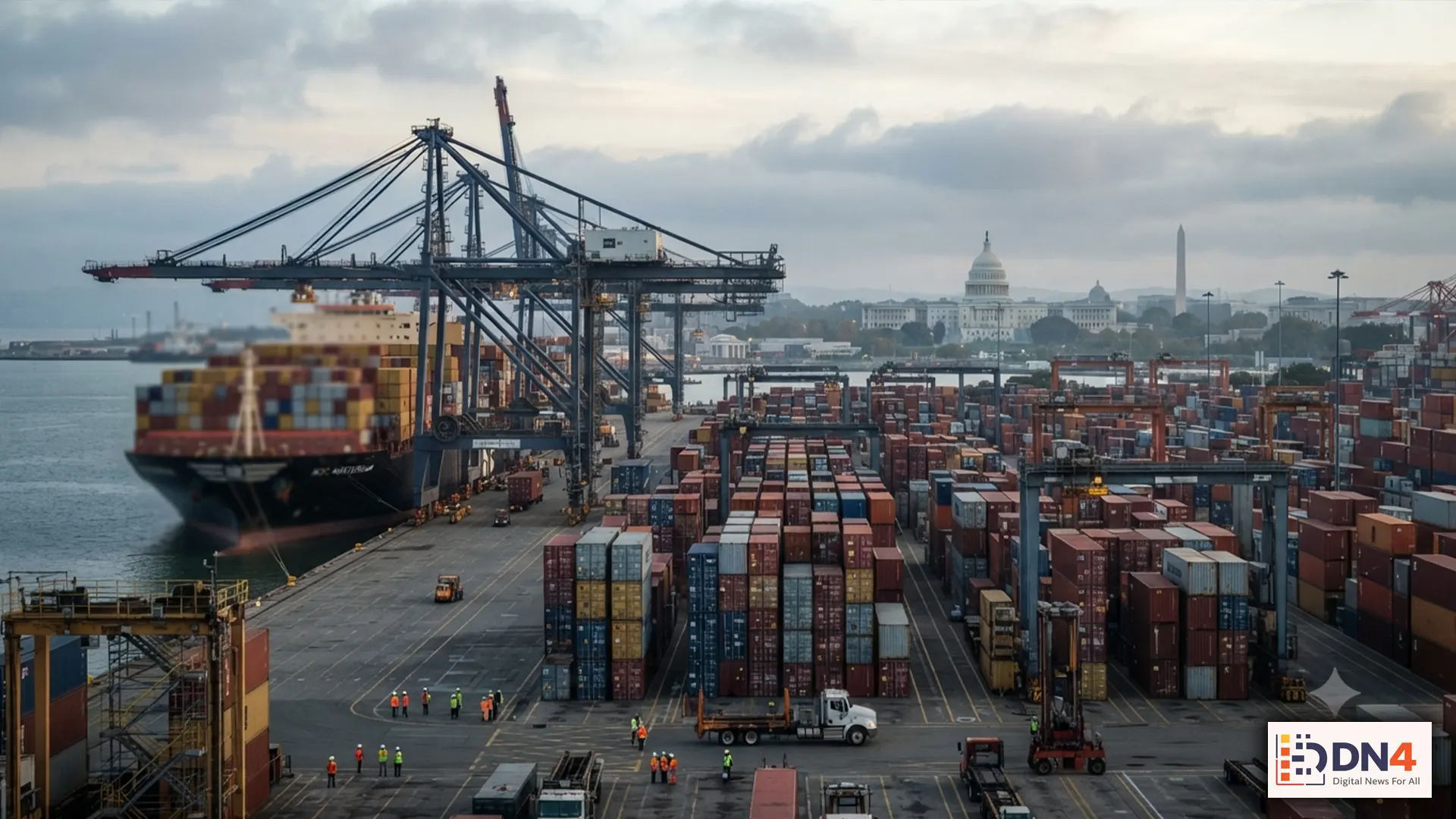
The White House’s latest tariff deadlines are keeping importers, retailers and consumers on alert as the Trump administration continues to use trade measures as leverage in negotiations. The most immediate development involves Canada, where Washington delayed a proposed 50% tariff on roughly $20 billion of Canadian imports for three days on August 18 amid continued negotiations with Ottawa. The White House says the proposed duties cover products including wine, hockey sticks and cement, with several exemptions.
Why the Deadlines Matter for Importers
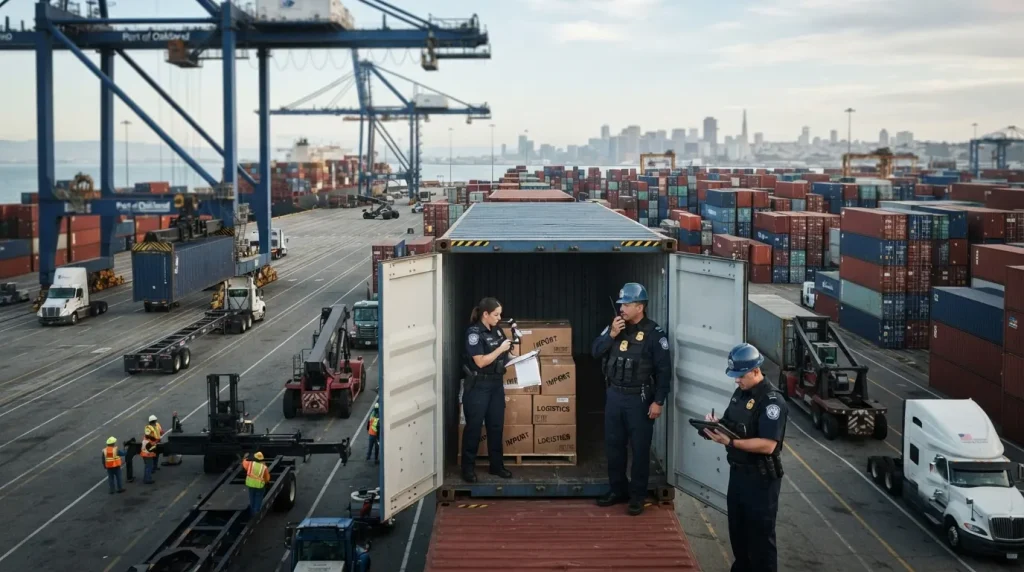
Tariff deadlines create a critical timing issue for companies bringing goods into the United States. Businesses must determine whether shipments will enter before a new duty becomes effective, potentially changing inventory, customs and purchasing decisions.
The administration is also pursuing sector-specific measures. For example, new tariffs on certain imported drones were announced in August, including a 100% duty on specified sensitive drones and lower rates for other categories, with some components receiving delayed implementation. The U.S. Trade Representative’s tariff-actions database tracks the expanding range of presidential trade measures.
What Could Happen to Consumer Prices?
Tariffs are collected from importers, but the economic burden can move through the supply chain. Companies may absorb some costs, renegotiate with suppliers, reduce margins or pass additional expenses to wholesalers and consumers.
That means price effects are unlikely to appear uniformly. Products with high import exposure and limited substitutes can face greater pressure, while businesses with stronger domestic sourcing or pricing flexibility may absorb more of the increase. Earlier tariff analyses have identified categories such as coffee, footwear and appliances as vulnerable to price increases.
Canada Is the Immediate Test
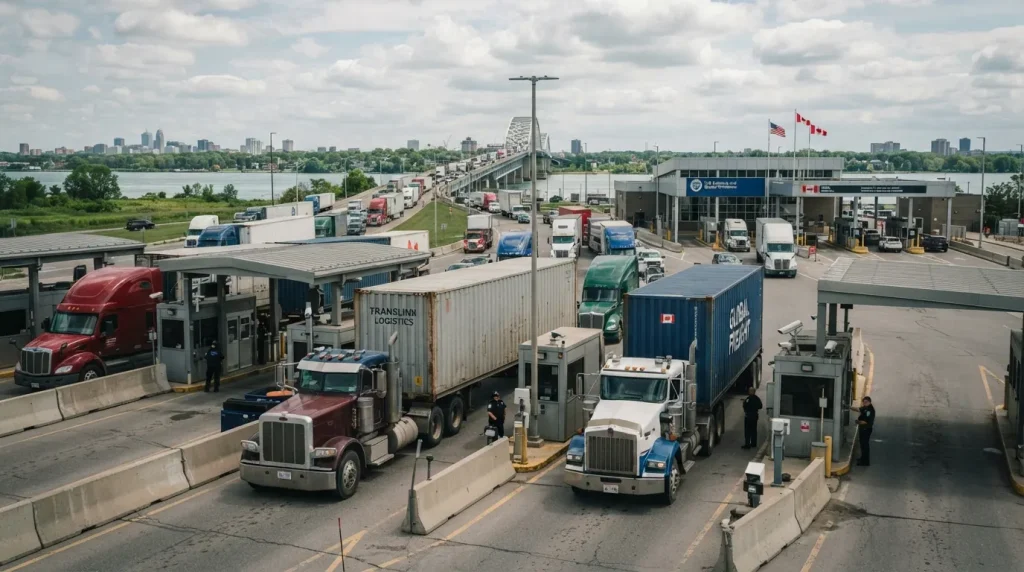
The Canada deadline illustrates how quickly tariff policy can change. The planned 50% duties were expected to affect about $20 billion in Canadian goods, but the administration paused implementation while negotiations continued. Reuters reported that the talks involve issues including automotive content, dairy and alcohol market access and broader economic-security provisions.
For American consumers, the key takeaway is uncertainty. A delayed tariff is not necessarily a cancelled tariff. Retailers and manufacturers must continue planning around possible duty changes, while consumers may see pricing decisions vary by product and company.
The Bigger Economic Picture
The administration argues that tariffs can encourage domestic production and improve America’s trade position. The White House has also used import duties as negotiating leverage with trading partners. At the same time, prolonged tariff uncertainty can complicate business investment, sourcing and pricing decisions.
With additional trade actions still developing, the next deadlines could matter as much as the tariff rates themselves. For households, that makes the practical impact of U.S. trade policy worth watching not only at the border, but also on store shelves.
The latest tariff deadlines are creating a moving target for importers and retailers. If negotiations produce agreements, some proposed duties may be avoided or reduced; if talks fail, higher import costs could increasingly work their way through supply chains and eventually affect consumer prices.
#Tariffs #TrumpTariffs #USImports #ConsumerPrices #TradePolicy #Economy #WhiteHouse