

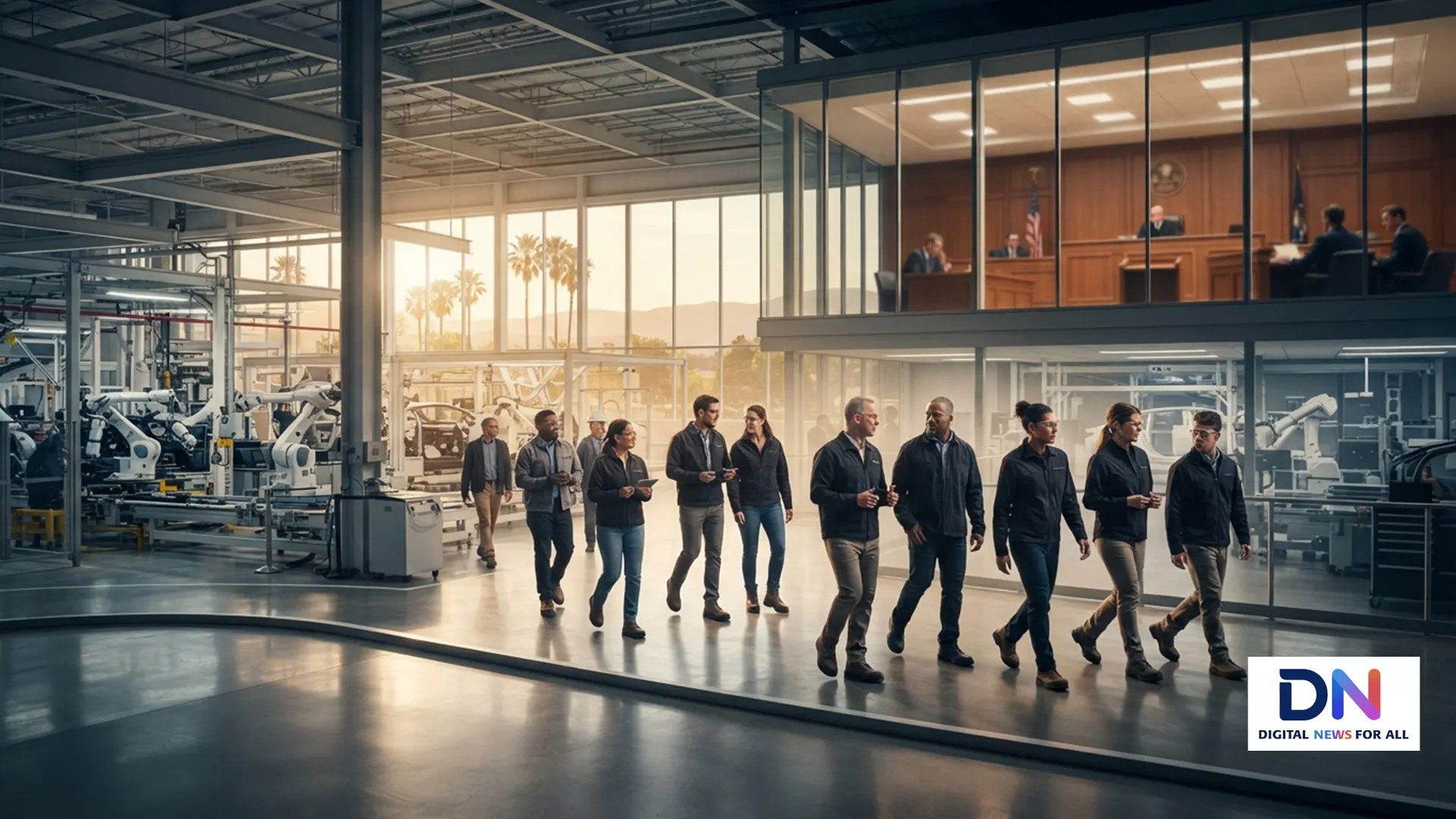
The Tesla discrimination lawsuit now unfolding in California is putting workplace culture and corporate accountability under intense scrutiny. Tesla is facing a state trial over allegations that Black workers at its Fremont factory experienced racial harassment, discrimination and retaliation. The case is being heard as Silicon Valley companies face broader questions about how fast-moving corporate cultures should handle employee rights.
The California Civil Rights Department filed the lawsuit in 2022 after a multiyear investigation. The agency alleges pervasive racial harassment, unequal treatment and retaliation against Black employees. California’s Civil Rights Department says the case includes allegations involving job assignments, compensation and promotion opportunities.
What Is Tesla Accused Of?
The allegations center on Tesla’s Fremont manufacturing facility. California officials say Black employees were subjected to racial slurs and discriminatory graffiti and were disproportionately placed in lower-paying or less desirable jobs.
According to Reuters’ September 2026 report, the state also alleges unequal pay and limited promotion opportunities. Tesla has denied wrongdoing and says it does not tolerate discrimination, including by terminating workers found to have engaged in misconduct.
A Separate Federal Case
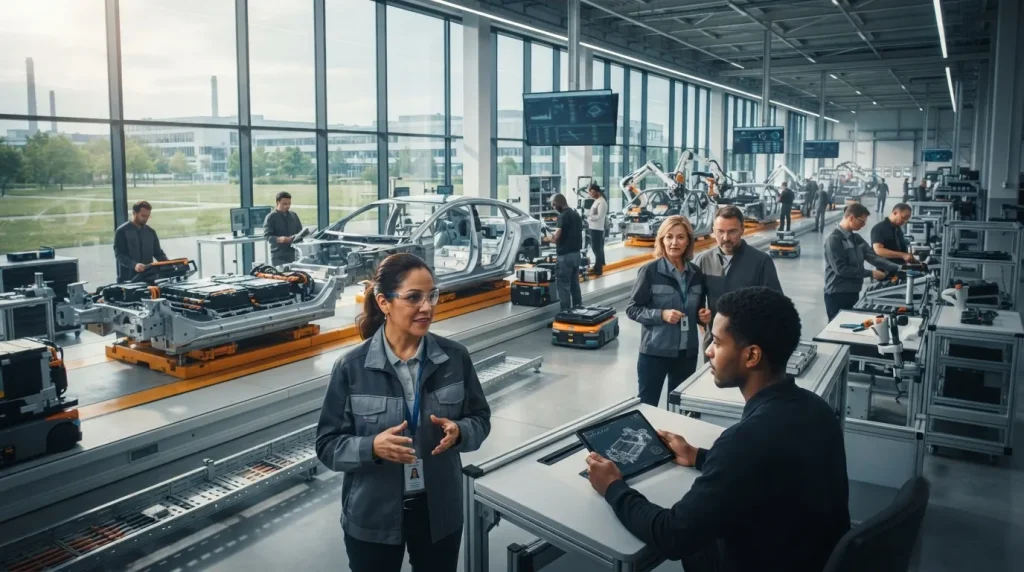
The California lawsuit is not Tesla’s only major workplace discrimination case. The U.S. Equal Employment Opportunity Commission sued Tesla in 2023, alleging widespread racial harassment and retaliation against Black workers at the Fremont facility.
The EEOC’s complaint alleges that the company tolerated severe or pervasive racial harassment and retaliated against employees who opposed it. In 2026, Tesla and the EEOC moved toward private mediation in that federal case. Reuters reported that the mediation could potentially resolve the federal dispute.
Why the California Trial Matters
The current California case is significant because it concerns alleged systemic practices rather than a single employee dispute. It is a bench trial, meaning a judge rather than a jury will determine liability.
Alameda County Superior Court is handling the proceeding. California’s employment discrimination laws can also create substantial financial exposure when violations are established.
What It Could Mean for Silicon Valley Culture
The Tesla case raises a broader corporate question: can companies maintain aggressive, high-performance cultures while also building systems that consistently prevent discrimination and respond effectively to complaints?
That issue extends beyond Tesla. Technology companies employ workers across manufacturing, engineering, software and corporate operations. Their workplace policies can affect recruitment, retention, management practices and employee trust.
The EEOC’s workplace-harassment guidance explains employers’ responsibilities for preventing and addressing unlawful harassment. The agency emphasizes that effective prevention requires policies, complaint procedures and appropriate corrective action.
The Corporate Accountability Question
The outcome of the Tesla trial will depend on evidence presented in court, not simply on the number of lawsuits surrounding the company. Tesla has contested the allegations, while California officials are seeking to establish liability for alleged systemic discrimination.
For Silicon Valley, the case highlights a continuing tension between corporate performance and workplace governance. The Tesla discrimination lawsuit could therefore become an important case study in how large technology companies manage workplace conduct, accountability and employee protections.
#Tesla #TeslaTrial #WorkplaceDiscrimination #EmploymentLaw #SiliconValley #CorporateCulture #TeslaFremont #EEOC #RacialDiscrimination #TechIndustry #CorporateAccountability #TechNews