

Stand-up comedy has always tested social boundaries. But in today’s polarized culture, comedians increasingly face scrutiny when politics, race, religion and identity enter the joke.
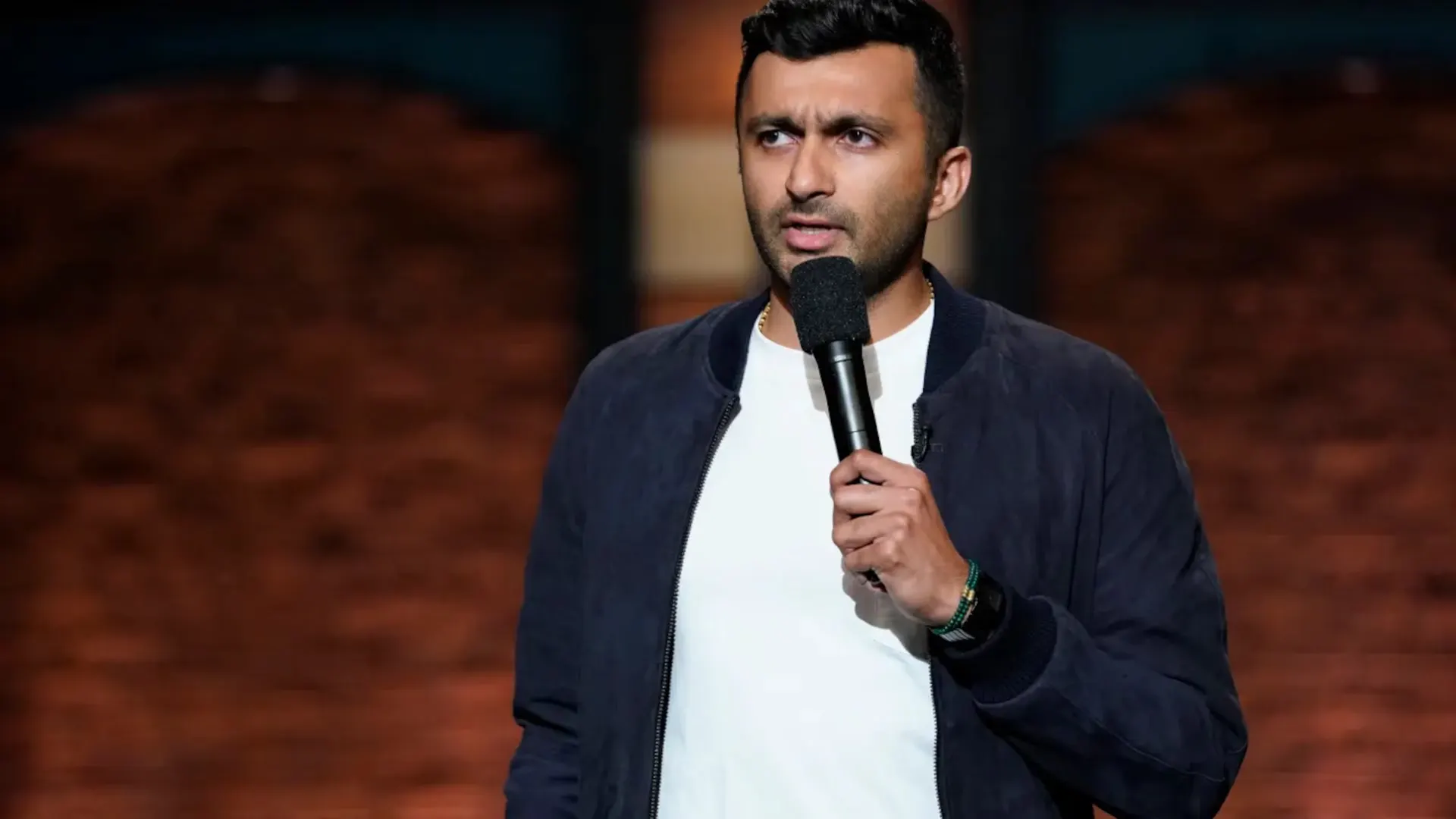
Nimesh Patel comedy offers a useful case study. The Indian American comedian has built a career around personal experiences, cultural observations and political satire. His latest Netflix special, Nimesh Patel: Buy The Dip, explores parenting, healthcare, his Indian family and political life in Washington.
From Columbia Controversy to Netflix
Patel’s relationship with controversial comedy is not new. In 2018, his performance at Columbia University was cut short after student organizers objected to parts of his material. The incident quickly became part of the wider debate over comedy, campus culture and free expression.
Contemporary accounts of the incident differed over why the performance was stopped. Some reporting focused on jokes involving race and sexuality. Other accounts highlighted Patel’s interactions with an audience member and the broader context of the performance. The dispute demonstrated how one comedy set can produce sharply different interpretations.
The Columbia Daily Spectator and other outlets covered the controversy, while Patel later discussed the experience publicly. The episode became an early example of the increasingly complicated relationship between comedians and politically conscious audiences.
Why Identity Has Become Comedy Material
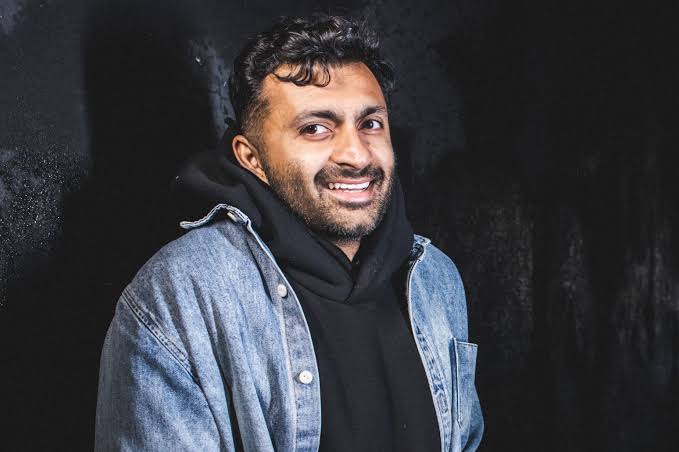
Modern comedians often perform from several identities at once. Patel’s material draws from being Indian American, a husband, a father and a political observer.
That combination creates unusual creative possibilities. It can also create competing expectations. Audiences may expect a comedian to represent a community while the performer may instead use comedy to question assumptions within that community.
Patel has discussed religion, immigration, healthcare and American politics in interviews surrounding Buy The Dip. Netflix’s official description identifies the special as a combination of parenting, family and political satire.
Politics Makes the Punchline More Complicated
Political comedy has traditionally relied on exaggeration and discomfort. Today, however, jokes can move from a comedy club to social media within minutes.
A joke that works inside a room can be interpreted differently when clipped, reposted or separated from its original context. That creates a new challenge for performers. Comedians must increasingly consider not only the live audience but also millions of potential online viewers.
Patel has embraced this environment. A recent Guardian interview discusses his approach to politics, Palestine, religion and Indian American identity in his current material.
The Bigger Stand-Up Counterculture
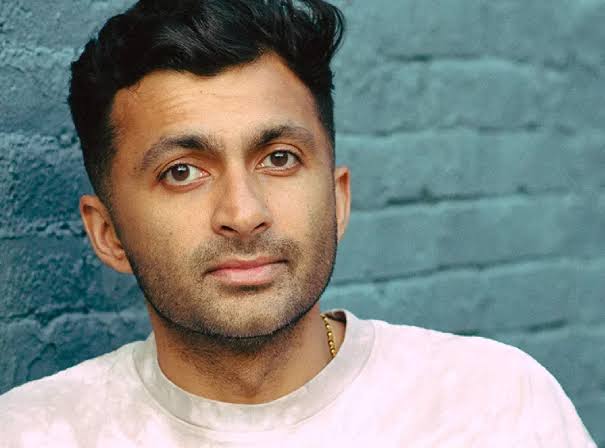
Patel is part of a larger comedy ecosystem where performers increasingly discuss subjects once considered risky for mainstream entertainment.
The result is not necessarily a single political direction. Instead, stand-up has become a space where competing cultural viewpoints collide. Some comedians challenge political correctness. Others challenge political power. Many do both within the same performance.
The continuing debate is therefore less about whether comedians should discuss politics. They clearly do. The harder question is where audiences draw the line between satire, criticism and material they consider personally offensive.
Comedy’s Uncomfortable Future
Nimesh Patel’s career illustrates how quickly that debate can evolve. A controversial campus performance in 2018 became part of a national free-speech conversation. In 2026, Patel is presenting similarly complex subjects through a major Netflix comedy special.
That progression shows why stand-up remains culturally significant. Comedy can entertain, provoke and expose disagreements at the same time. In an era of political polarization and instant online reactions, the comedian’s microphone has become a surprisingly important place for arguments about identity, expression and American culture.
#NimeshPatel #StandUpComedy #PoliticalComedy #ComedyCulture #IdentityPolitics #FreeSpeech #BuyTheDip #NetflixComedy #ComedyControversy #IndianAmerican #Comedy2026