


Fast fashion is entering a new phase. For years, ultra-cheap clothing made it possible to refresh a wardrobe almost weekly. Now, tariffs, environmental fees, protests and supply-chain scrutiny are challenging that model.
The changes could affect American shoppers even when the policies are introduced overseas. Brands such as Shein and Temu operate through global supply chains, meaning new trade costs and regulations can eventually influence prices, product selection and delivery strategies.
Why Fast Fashion Is Facing More Pressure
The industry’s biggest challenge is no longer simply competition. Governments and activists are increasingly questioning the environmental and labor consequences of producing enormous volumes of inexpensive clothing.
In September 2026, France began applying new environmental fees to ultra-fast fashion products from companies including Shein and Temu. The fees range from €0.25 for smaller items to €12 for coats, with the charges capped at 50% of a product’s pre-tax price.
Reuters reported that the French system is designed to discourage overproduction and encourage more durable clothing. The European Union is also moving toward broader producer-responsibility rules.
America Is Changing the Import Equation
U.S. trade policy is adding another layer of pressure. In July 2026, the U.S. Trade Representative announced tariffs on imports from 60 economies following investigations into the enforcement of forced-labor import prohibitions.
The action established additional Section 301 duties of 10% or 12.5%, subject to product exemptions. The measure covers most imports from the affected economies, although specific products can qualify for exclusions.
For clothing companies, the significance is straightforward. Imported garments can become more expensive when additional duties enter the supply chain. Retailers may absorb some costs, change suppliers or pass some costs to consumers.
Shein and Temu Face a New Retail Environment
The ultra-fast fashion model depends heavily on inexpensive production, rapid product turnover and direct-to-consumer online sales.
That model is now facing regulatory pressure on multiple fronts. The Reuters report on Shein’s 2026 Hong Kong listing noted investigations, tariffs and continuing scrutiny surrounding the company’s business model.
Shein has also faced criticism over environmental and labor practices. The company has said it is working to improve supply-chain standards and transparency.
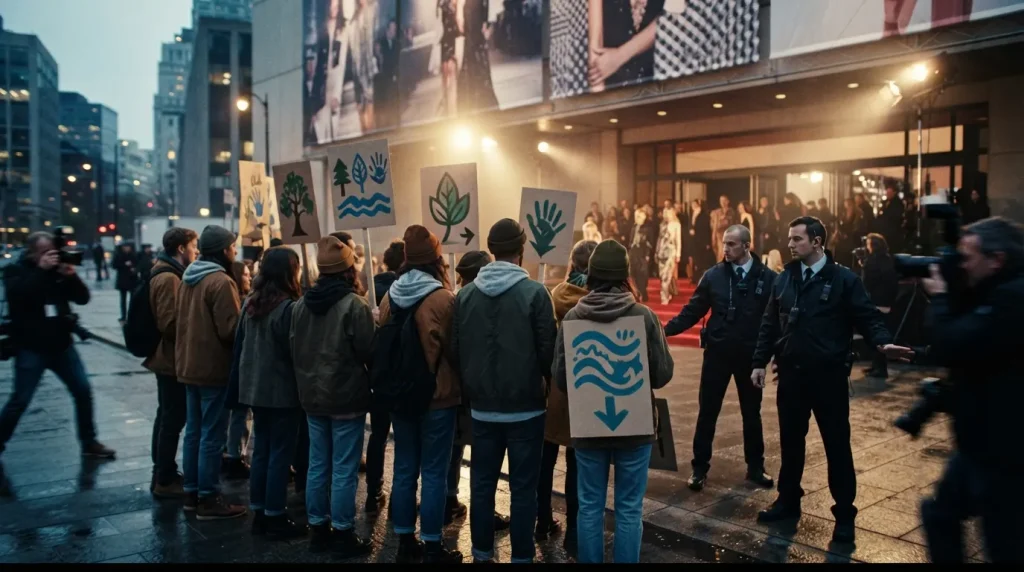
Protests Are Changing the Fashion Conversation
Consumer activism is becoming another pressure point.
During New York Fashion Week in September, animal-rights activists disrupted a COS runway show over the use of wool. The confrontation involving Council of Fashion Designers of America CEO Steven Kolb generated widespread attention, and Kolb subsequently resigned.
Reuters documented the incident, while PETA continued its campaign against the use of wool in fashion.
The protest was not specifically about fast fashion, but it reflects a broader shift. Activists increasingly want consumers to examine how clothing is produced, what materials are used and what happens after garments are discarded.

What This Means for American Shoppers
The result may not be the sudden disappearance of inexpensive clothing. Instead, Americans could see a gradual change in how low-cost fashion works.
Prices may rise for some imported products. Companies may expand domestic or regional warehouses. Retailers may reduce product variety or focus on higher-margin items. Consumers could also see more emphasis on durability, resale and secondhand clothing.
Recent reporting on polyester also shows a cultural shift among some younger consumers. The Guardian reported that polyester has become a target of criticism among some Gen Z consumers because of its association with fast fashion and environmental concerns.
Is Fast Fashion Really Dying?
Not yet. The demand for inexpensive and frequently updated clothing remains powerful.
But the economics are changing. Import duties can increase costs. Environmental fees can make disposable products less attractive. Protests can create reputational pressure. Consumers can also influence brands through purchasing decisions.
The future may therefore be less about the death of fast fashion and more about its transformation. Americans may still want affordable clothes, but the cheapest possible model is facing more obstacles than it did a few years ago.
For the fashion industry, the next question is whether companies can maintain low prices while improving durability, transparency and environmental performance. For consumers, the answer may increasingly show up on the price tag—and in the clothes they choose to keep.
#FastFashion #Shein #Temu #Fashion2026 #SustainableFashion #FashionIndustry #Clothing #Retail #FashionProtests #USConsumers