

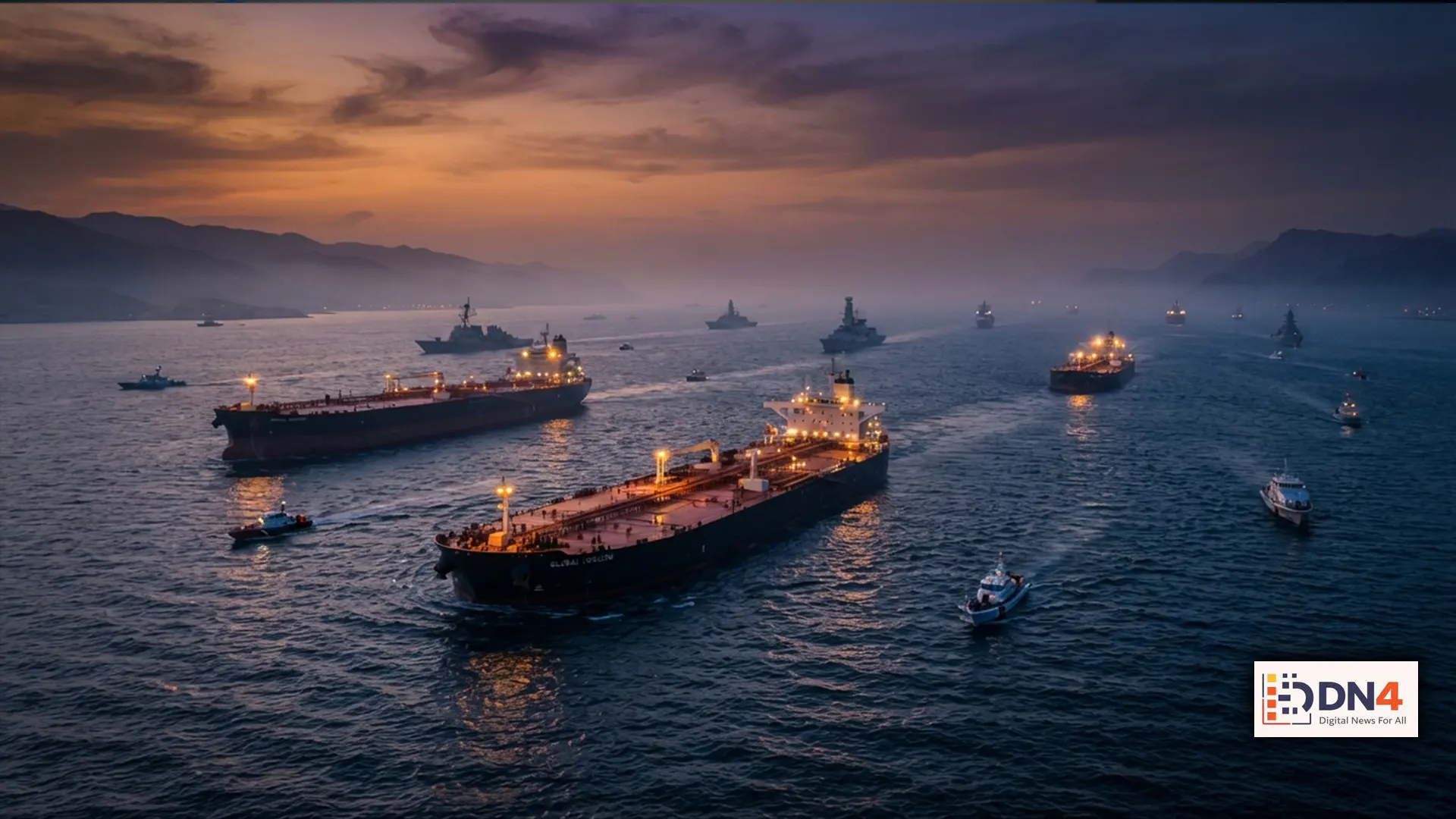
American drivers are facing a new energy-market shock as uncertainty surrounding the Strait of Hormuz keeps crude oil prices elevated. The strategic waterway remains at the center of a confrontation involving the United States and Iran, with commercial shipping sharply reduced and the risk of prolonged disruption weighing on global oil markets.
On August 19, Reuters reported that only six commodity vessels passed through the strait the previous day, well below normal traffic levels. The waterway historically carries roughly one-fifth of global crude oil and liquefied natural gas shipments.
Why Hormuz Matters to American Drivers
The United States does not depend entirely on Persian Gulf oil, but oil is traded through a global market. When a major supply route becomes constrained, buyers compete for alternative barrels, pushing international crude prices higher.
The U.S. Energy Information Administration has previously documented how disruptions through Hormuz contributed to higher and more volatile crude prices and encouraged international buyers to seek alternative supplies.
That global pricing mechanism eventually reaches American motorists. Crude oil represents a major component of the cost of producing gasoline, so sustained increases in benchmark prices can eventually translate into higher wholesale and retail fuel prices.
Oil Is Already Above $90
The market is already pricing in a significant geopolitical risk premium. On August 19, Brent crude was trading around $91 per barrel, while U.S. West Texas Intermediate was around $85. Reuters reported that both benchmarks remained near their highest levels in several weeks as uncertainty over Hormuz continued.
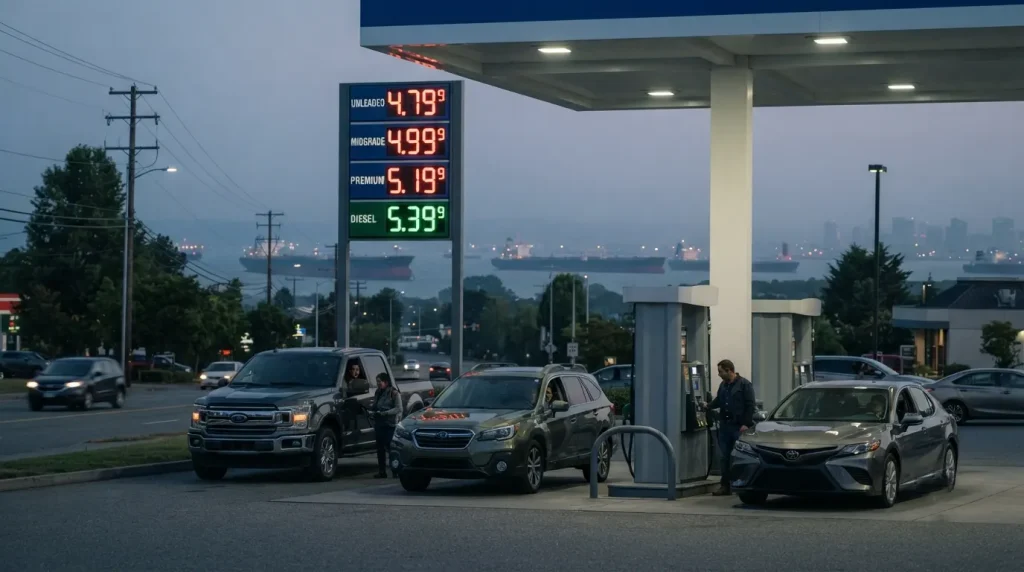
The concern is not simply today’s oil price. Traders are increasingly asking how long shipping disruptions will last. A short interruption can be absorbed through inventories and alternative routes, while a prolonged disruption can create a much larger supply imbalance.
What Could Happen at the Gas Pump?
Gasoline prices typically do not move one-for-one with crude oil prices. Refinery margins, seasonal demand, inventories, transportation costs and regional supply conditions also matter.
That means motorists may not immediately see the full impact of a $5 or $10 increase in crude oil. However, if elevated oil prices persist for weeks, higher wholesale gasoline costs can increasingly filter through to consumers.
Earlier in 2026, the EIA reported that Hormuz-related supply disruptions had already pushed gasoline and diesel prices higher. Its April analysis projected average U.S. retail gasoline prices above $3.70 per gallon for 2026 under then-current market conditions.
Why the Situation Could Get Worse
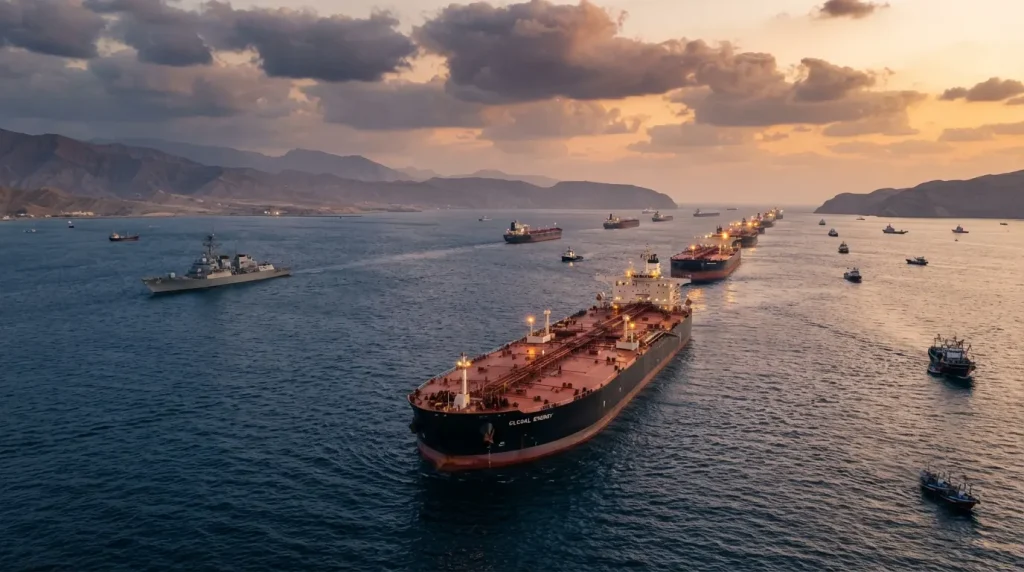
The biggest risk is a prolonged reduction in tanker traffic. Reuters reported that major commercial shipowners have continued avoiding the waterway despite competing claims about whether the strait is technically open.
Every additional day of uncertainty can encourage traders to price in a greater possibility of supply shortages. That is why oil markets can rise even before a physical shortage appears at U.S. refineries.
There Are Some Buffers
The United States is not without protection. Domestic oil production, strategic inventories, refinery capacity and alternative international supplies can help soften the impact of a disruption.
Global demand can also respond to higher prices. The EIA has noted that high fuel prices can reduce consumption, particularly in major Asian markets, potentially limiting the size of future oil-price increases.
But those buffers cannot completely eliminate the effects of a major disruption to one of the world’s most important energy chokepoints.
What American Consumers Should Watch
Drivers should focus on three indicators: Brent crude prices, tanker traffic through Hormuz and U.S. gasoline inventories. If oil remains above $90 while shipping stays severely restricted, pressure on gasoline prices is likely to persist.
Conversely, a credible reopening of the waterway could quickly reduce the geopolitical premium embedded in crude prices. The EIA’s July outlook showed just how quickly markets can respond when Hormuz traffic improves: increased tanker movement had helped push oil prices lower after the June U.S.-Iran agreement.
For Drivers
The Strait of Hormuz crisis does not guarantee that American gasoline prices will surge indefinitely. But it does create a clear pathway for higher fuel costs: restricted shipping reduces available global supply, crude prices rise, refiners face higher input costs and consumers eventually feel some of that pressure.
For now, the biggest variable is duration. If the standoff remains unresolved and commercial vessels continue avoiding Hormuz, the risk of another significant gasoline-price increase will remain elevated. If shipping normalizes, the opposite could happen just as quickly.
#StraitOfHormuz #GasPrices #OilPrices #Iran #USNavy #EnergyMarkets #CrudeOil #Inflation