

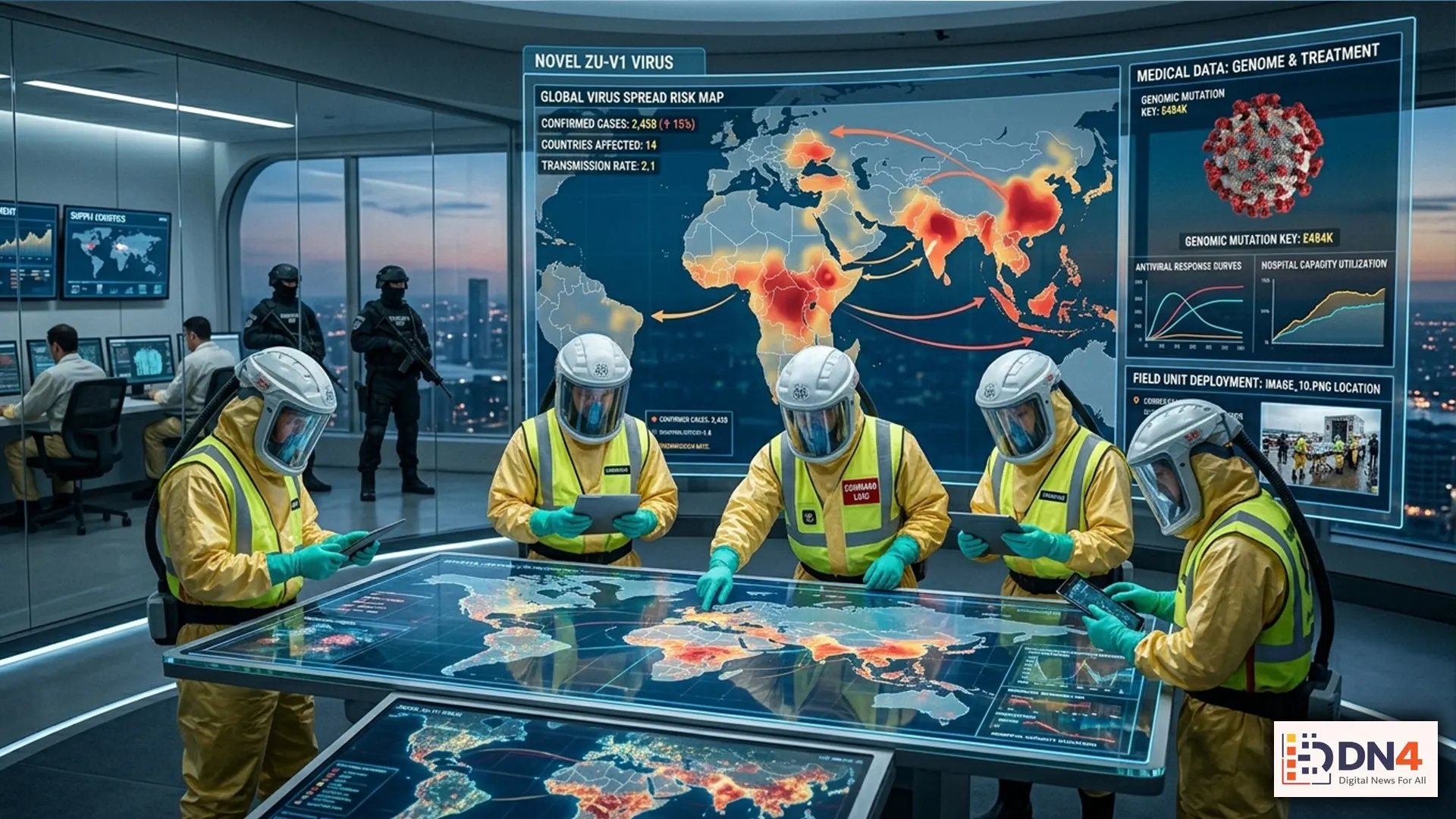
More than six years after the COVID-19 pandemic changed the world forever, global health experts are once again warning that another major outbreak may only be a matter of time. While governments and healthcare systems have strengthened certain emergency responses, many researchers believe the world remains dangerously underprepared for the next pandemic.
From emerging viruses and antibiotic resistance to climate-related disease spread, public health leaders say multiple global threats are converging at once.
Why Experts Are Concerned Again
International health agencies continue monitoring new infectious disease outbreaks across multiple regions. According to the World Health Organization (WHO), increasing global travel, urbanization, and environmental disruption are accelerating the risk of future pandemics.
Health experts are particularly concerned about:
- New zoonotic viruses spreading from animals to humans
- Antibiotic-resistant bacteria
- Weak healthcare infrastructure in vulnerable regions
- Global vaccine inequality
- Misinformation during health emergencies
Many scientists warn that the next pandemic may not resemble COVID-19 and could potentially spread even faster.
Lessons Learned From COVID-19
The COVID-19 crisis exposed major weaknesses in healthcare systems worldwide. Hospitals struggled with staffing shortages, supply chain disruptions, and limited emergency preparedness.
Reports from Centers for Disease Control and Prevention (CDC) and global research organizations have highlighted the importance of faster disease detection, stronger surveillance systems, and coordinated international response strategies.
While vaccine development technology improved dramatically during the pandemic, experts say public trust and global distribution systems remain ongoing challenges.

Climate Change Could Increase Health Risks
Scientists increasingly believe climate change may contribute to the spread of infectious diseases. Rising temperatures, deforestation, and habitat disruption are creating conditions that allow viruses and disease-carrying insects to expand into new regions.
Research from Nature and other scientific journals suggests environmental changes may increase future outbreak risks in both developing and advanced economies.
Diseases once limited to specific geographic areas are already appearing in places where they were previously rare.
Hospitals and Healthcare Systems Still Face Pressure
Although many countries increased healthcare investments after COVID-19, staffing shortages and financial pressures continue affecting hospitals globally.
Healthcare experts warn that burnout among medical professionals remains a serious issue, especially in emergency medicine and intensive care units.
The World Economic Forum has identified healthcare resilience as one of the most critical global priorities for the next decade.
The Role of Technology in Future Pandemic Response
Artificial intelligence, genomic sequencing, and digital health monitoring systems are expected to play a major role in detecting and responding to future outbreaks.
Technology companies and governments are investing heavily in:
- AI-powered disease tracking
- Rapid vaccine development platforms
- Global health surveillance systems
- Telemedicine infrastructure
- Predictive outbreak modeling
Experts believe these technologies could help reduce response times during future health emergencies.

Misinformation Remains a Global Threat
One of the biggest lessons from COVID-19 was the dangerous impact of misinformation during a public health crisis.
False information surrounding vaccines, treatments, and government policies spread rapidly across social media platforms, often undermining public trust.
Organizations such as UNICEF continue working with governments and technology companies to improve public communication during health emergencies.
Are We Truly Prepared?
Despite improvements in vaccine technology and public health awareness, many experts believe the world still lacks a fully coordinated global pandemic response system.
Preparedness gaps remain in funding, international cooperation, healthcare staffing, and emergency logistics.
Public health specialists warn that without sustained investment and long-term planning, the next major outbreak could once again overwhelm healthcare systems and disrupt economies worldwide.
The biggest question may no longer be whether another pandemic will happen — but whether humanity will respond more effectively when it does.
#PandemicPreparedness #GlobalHealth #WHO #PublicHealth #Healthcare #FuturePandemic #MedicalNews #HealthCrisis