

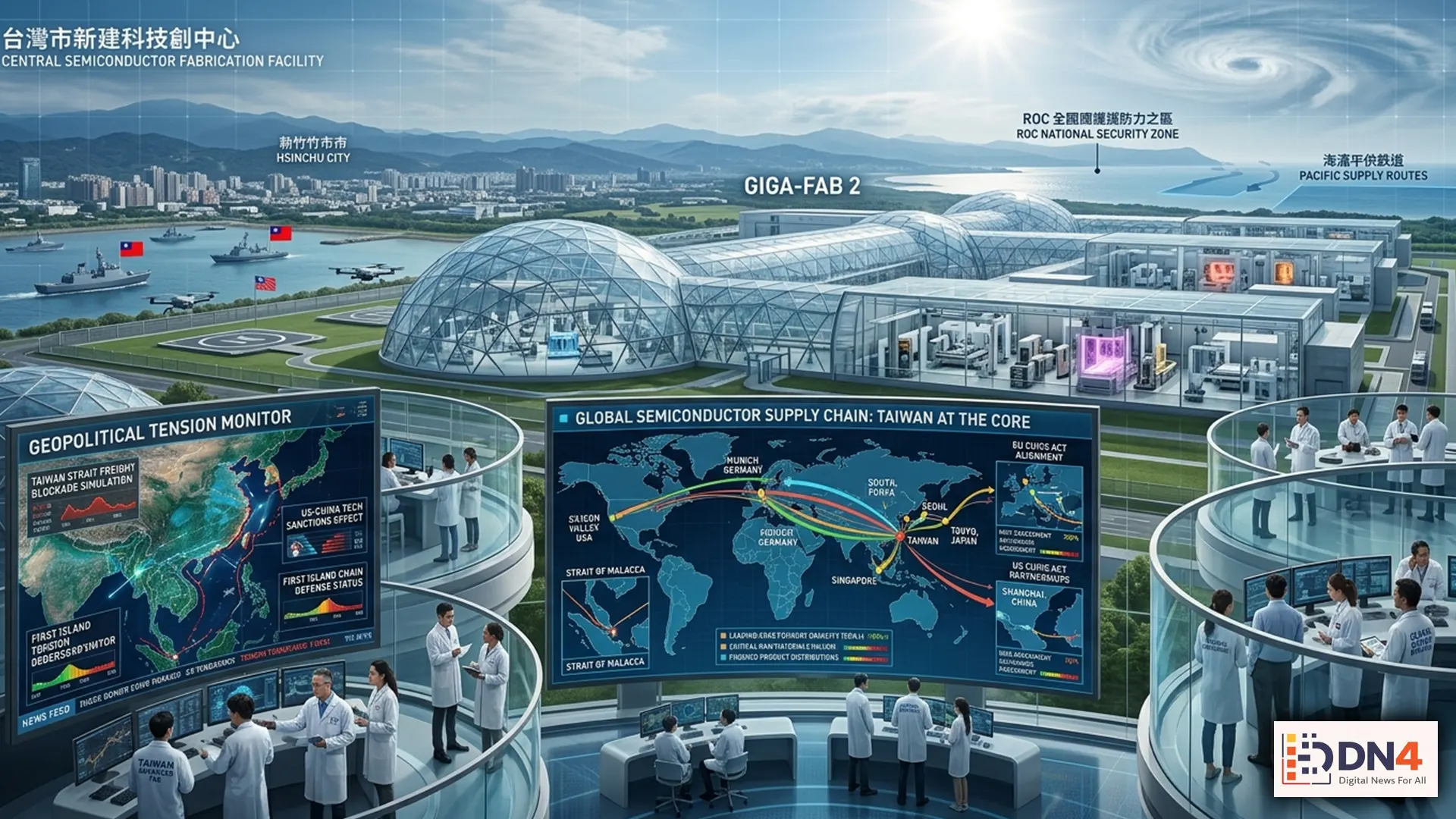
Most consumers rarely think about geopolitics when buying a new laptop. But in 2026, Taiwan’s political uncertainty is becoming one of the biggest hidden factors influencing the global electronics market.
From laptops and smartphones to AI servers and gaming consoles, much of the world’s advanced technology depends heavily on Taiwan’s semiconductor industry. As tensions in the region continue drawing international attention, economists and technology analysts warn that political instability could directly affect consumer prices worldwide.
Why Taiwan Matters to Global Technology
Taiwan plays a critical role in the global semiconductor supply chain. The island is home to Taiwan Semiconductor Manufacturing Company (TSMC), the world’s largest contract chipmaker.
TSMC produces advanced semiconductors used by major technology companies including Apple, NVIDIA, AMD, Qualcomm, and countless electronics manufacturers.
According to Bloomberg, Taiwan manufactures the majority of the world’s cutting-edge chips, making it one of the most strategically important regions in the global economy.
How Political Instability Affects Electronics Prices
Political uncertainty creates risks for manufacturing, shipping, investment, and supply chain planning. Even the possibility of disruption can trigger market reactions that impact global technology costs.
Technology firms and investors are closely monitoring:
- Cross-strait tensions between China and Taiwan
- Global trade restrictions
- Supply chain relocation efforts
- Semiconductor production security
- International diplomatic responses
Analysts from Gartner warn that prolonged instability could create supply shortages and increase production costs for consumer electronics.
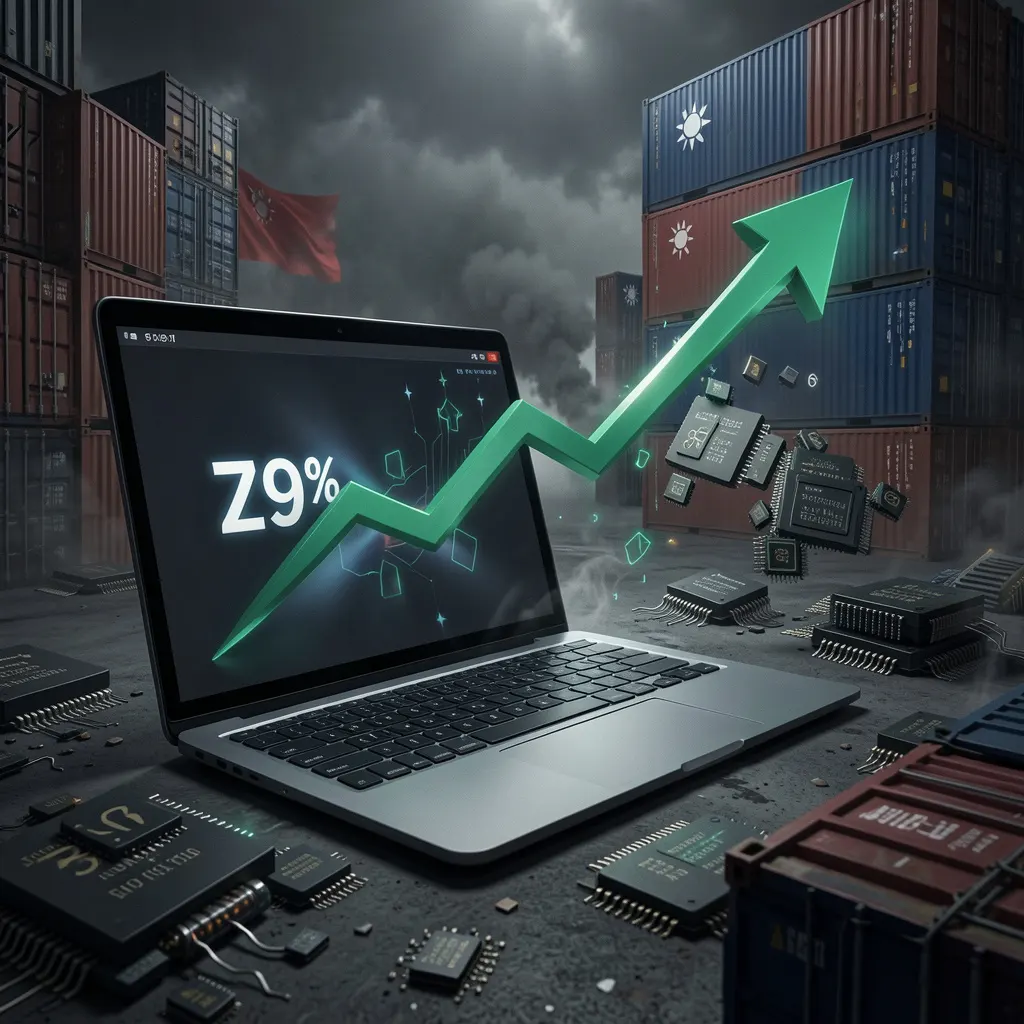
Your Laptop Depends on Semiconductors
Modern laptops rely on highly advanced chips for processing power, graphics performance, battery efficiency, and AI functionality.
Whether consumers are buying gaming laptops, business ultrabooks, or AI-powered devices, semiconductor availability directly affects manufacturing timelines and retail pricing.
Companies like Apple, Dell, and HP all depend heavily on Taiwan-based chip production.
The AI Boom Is Increasing Pressure
The rapid growth of artificial intelligence is intensifying global demand for advanced semiconductors. AI systems require enormous computing power, increasing competition for high-performance chips.
Reports from McKinsey & Company suggest AI-driven semiconductor demand could remain one of the strongest forces shaping the technology market through the rest of the decade.
As a result, any disruption involving Taiwan’s chip industry could affect not only consumer electronics but also cloud computing, data centers, electric vehicles, and defense technologies.
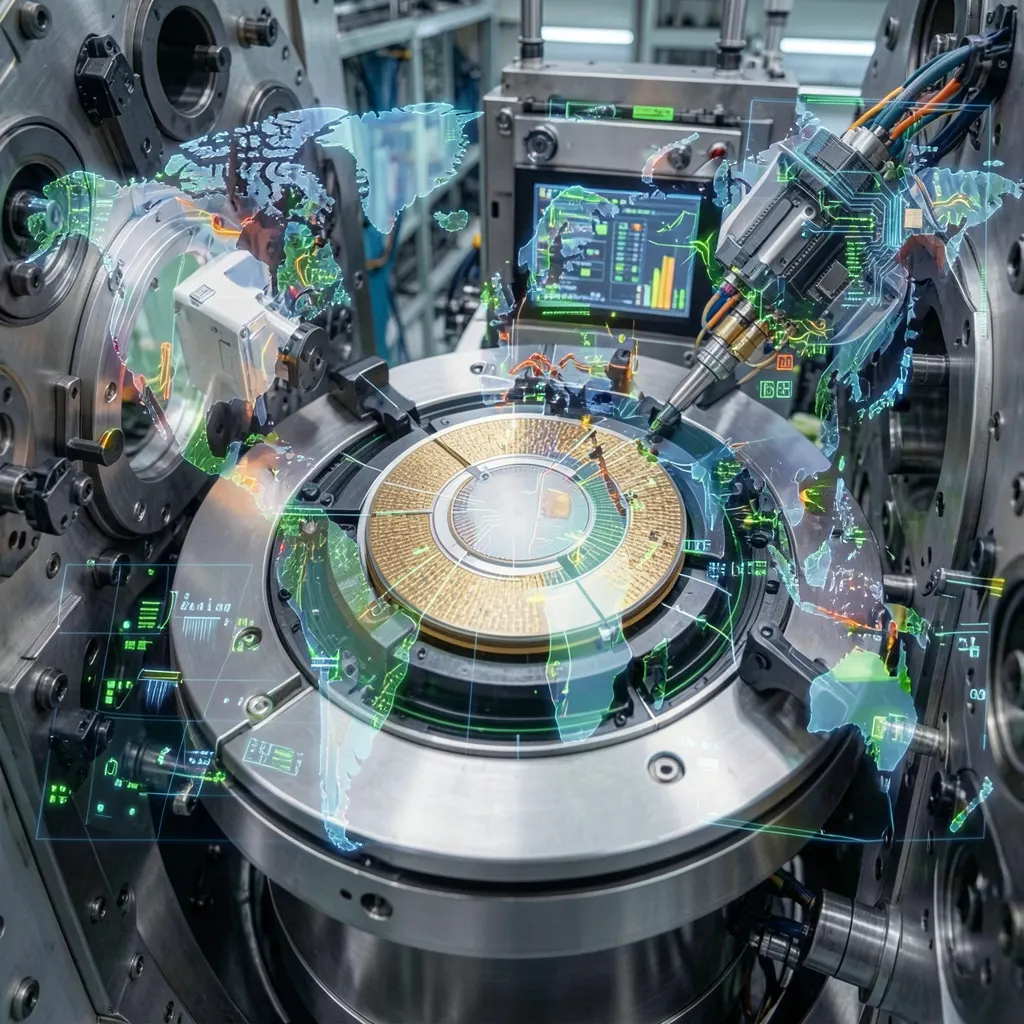
Can the World Reduce Its Dependence on Taiwan?
Governments and technology firms are increasingly investing in domestic semiconductor manufacturing to reduce reliance on Taiwan.
The United States, Europe, Japan, and India are all expanding semiconductor initiatives aimed at strengthening supply chain resilience.
However, experts at Center for Strategic and International Studies (CSIS) say replicating Taiwan’s semiconductor ecosystem could take years due to the enormous complexity and cost involved.
What Consumers Could Expect
If geopolitical tensions escalate or supply disruptions occur, consumers may see:
- Higher laptop and smartphone prices
- Longer delivery delays
- Reduced inventory availability
- More expensive AI-powered devices
- Increased technology market volatility
While companies continue diversifying supply chains, Taiwan remains central to global technology manufacturing in 2026.
Taiwan’s political situation is no longer just a regional geopolitical issue — it has become a global economic concern with direct consequences for consumers worldwide.
From AI infrastructure to everyday laptops, modern life increasingly depends on semiconductor stability.
The next time electronics prices rise, the reasons may involve far more than inflation or consumer demand. Global politics, supply chains, and semiconductor security are now deeply connected to the future of technology itself.
#Taiwan #Semiconductors #LaptopPrices #TSMC #TechNews #GlobalEconomy #SupplyChain #Geopolitics